$3,500.00
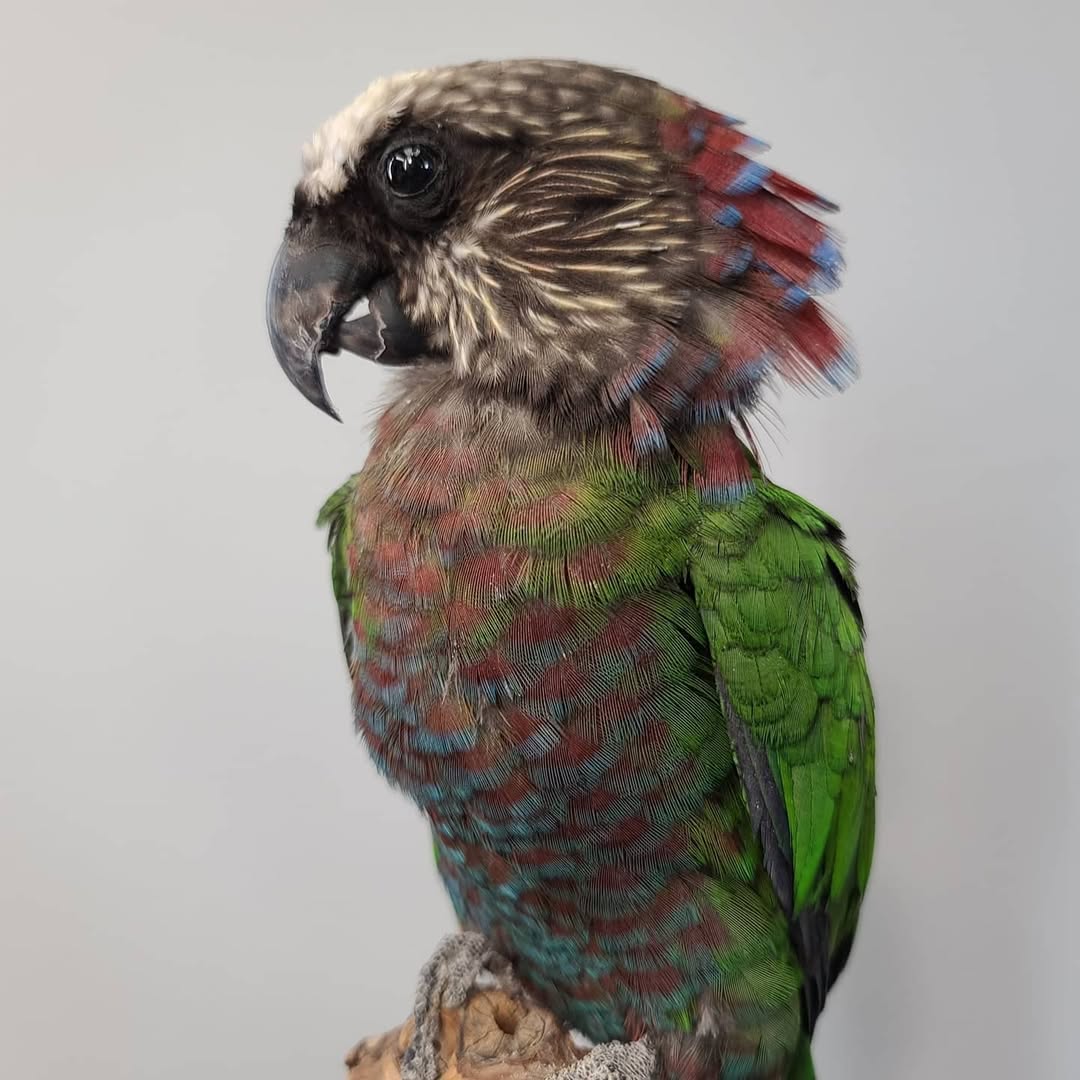
Hawk Headed Parrot for Adoption – Hand-Raised, Socialized, and Stunning
Bring home a truly extraordinary companion with our hand-raised hawk headed parrot. Famous for its dramatic red “fan” crest and expressive personality, this rare companion bird captivates with intelligence, beauty, and heart. Whether you’re searching for a family-friendly pet bird or a devoted feathered partner, our hawk headed parrots are raised with expert care and careful socialization to thrive in loving homes.
Why Choose Our Hawk Headed Parrot
We are a professional breeder and adoption center dedicated to exceptional avian care, responsible pairing, and long-term support. Every hawk headed parrot we place is prepared for a smooth transition and a lifetime of companionship.
- Hand-raised from a young age: Nurtured daily for confident, people-focused temperaments.
- Friendly, socialized personalities: Exposed to normal household sounds, gentle handling, and positive experiences.
- Health-first approach: Vet checked by an avian veterinarian, disease screened as appropriate, nails and beak monitored, and fledging supervised.
- DNA sexing available: Know your bird’s sex upon request.
- Clean, enriched environment: Raised in hygienic nurseries with proper humidity, temperature, and biosecurity practices.
- Weaned onto a balanced diet: Quality pellets, fresh vegetables, leafy greens, and controlled healthy seeds/nuts.
- Early training foundation: Step-up cues, gentle touch tolerance, and exposure to basic foraging toys.
- Lifetime support: Guidance on diet, cage size, enrichment, and behavior—for as long as you need us.
- Adoption made easy: Reserve your bird with the “Adopt Me” button; flexible pickup or safe, climate-conscious delivery options available where permitted.
About the Bird Breed
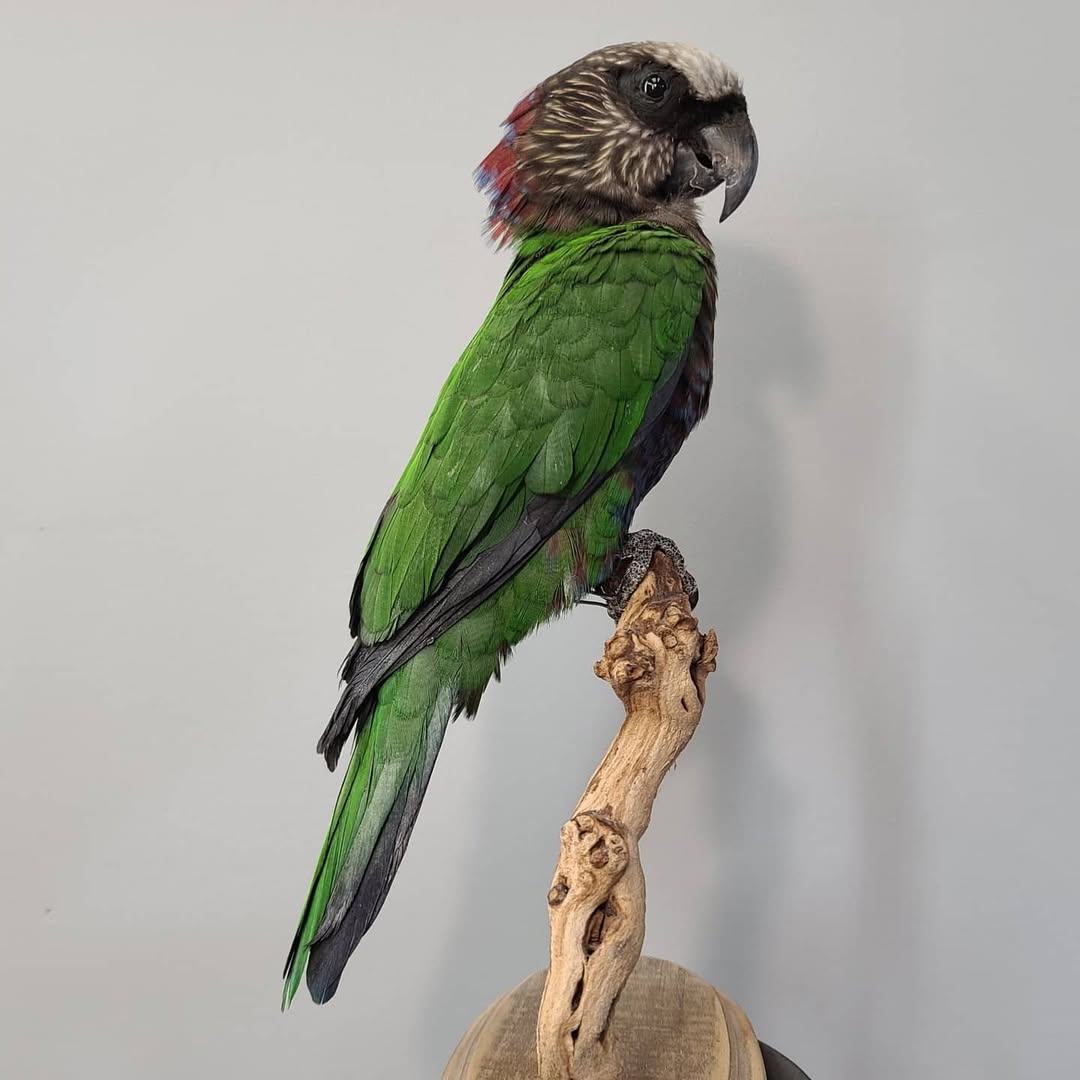
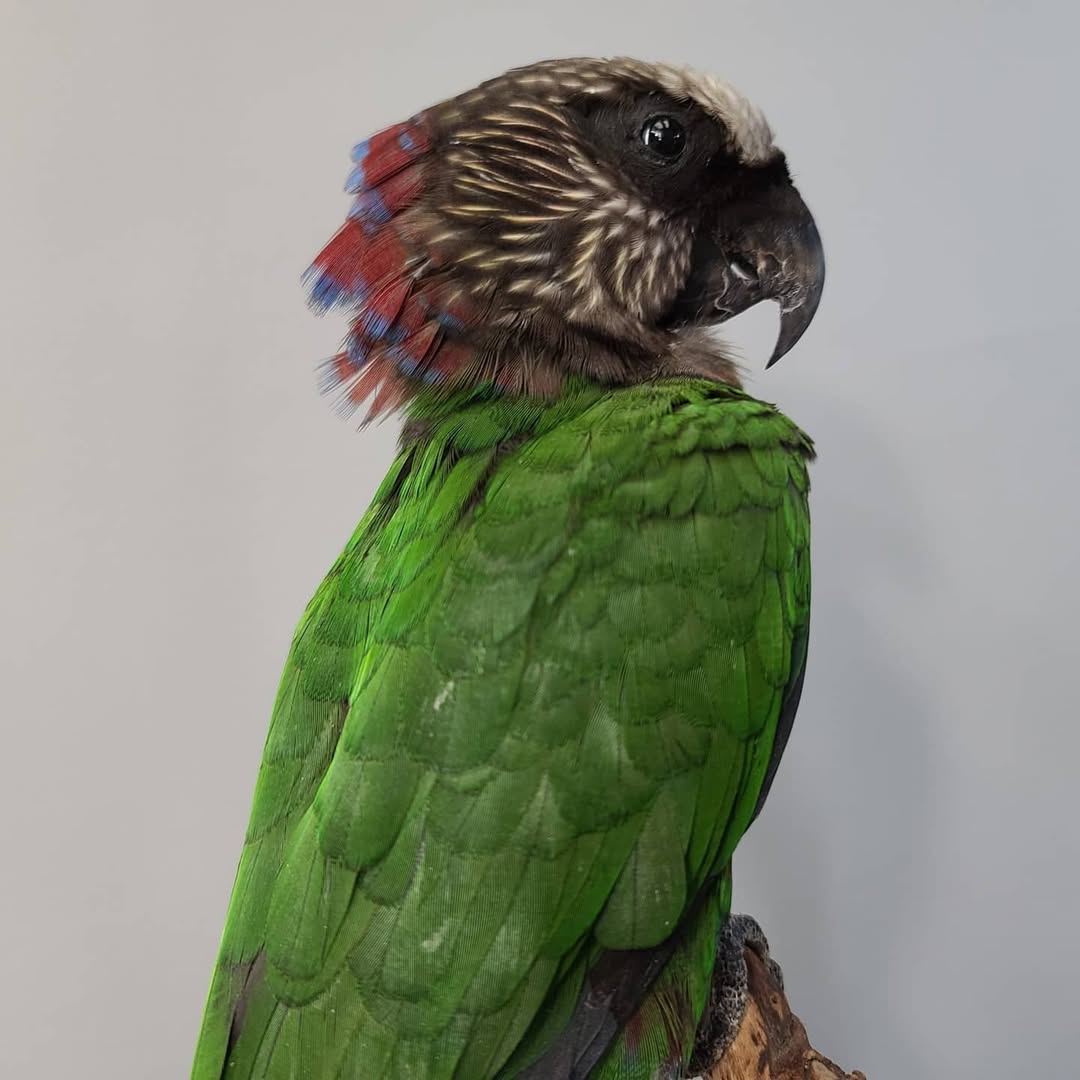
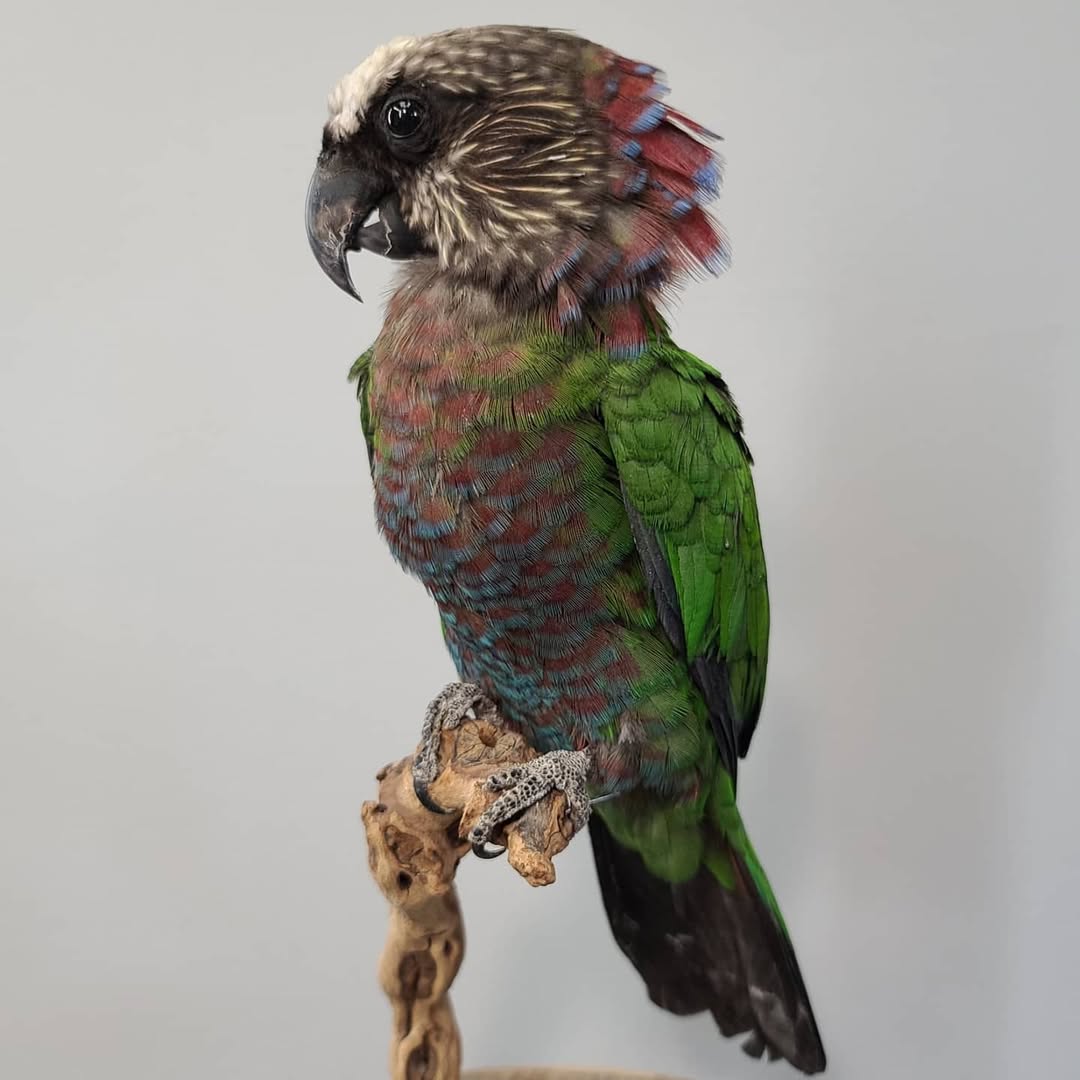
The hawk headed parrot (also known as the Red-fan Parrot) originates from the Amazon Basin of South America. Its signature raised crest—a vivid display of red and blue feathers—fans out dramatically when excited or curious. With its striking “hawk-like” profile, this medium-sized parrot is a showstopper in any home.
- Origin: Lowland tropical forests of the Amazon region.
- Size & appearance: Medium build with elegant proportions; earthy greens contrasted by a brilliant red-and-blue fan crest and patterned head feathers.
- Intelligence: Highly perceptive, quick to learn routines, and keen on interactive problem-solving toys.
- Temperament: Engaging and curious, often comical; can be assertive when overstimulated—best matched with attentive, patient keepers.
- Talking ability: Moderate mimics; may learn words and sounds, whistles, and household noises. Clear communication and regular training enhance vocal skills.
- Noise level: Generally moderate, with potential for excited calls during playtime or at dawn/dusk—typical of many companion parrots.
- Family compatibility: Bonds deeply with primary caregivers; may be suitable for families experienced with parrots or for dedicated beginners who commit to guidance and routine. Supervise around children and other pets.
- Why people love them: The spectacle of the raised fan, unique beauty, lively personality, and rewarding one-on-one bond make this pet bird unforgettable.
Care Guide
With the right setup and routine, a hawk headed parrot thrives as a healthy, affectionate companion. Below is a concise avian care blueprint to help you prepare.
Diet
- Base diet: A high-quality, species-appropriate pellet.
- Fresh foods: Daily offerings of dark leafy greens (kale, chard), vegetables (bell pepper, squash, carrots, broccoli), and limited low-sugar fruits (berries, apple without seeds, mango).
- Healthy fats: Measured portions of nuts (walnut, almond) and seeds as training treats and enrichment rewards.
- Variety & foraging: Rotate chopped salads, sprouted legumes, and foraging trays to encourage natural feeding behaviors.
- Do not feed: Avocado, chocolate, alcohol, caffeine, onion/garlic in large quantities, high-salt or high-fat human foods.
- Fresh water: Replace at least twice daily; sanitize bowls regularly.
Cage Requirements
- Cage size: Spacious medium parrot enclosure. Aim for a minimum inner footprint around 32 x 23 inches with generous height to accommodate climbing and displaying the fan crest.
- Bar spacing: Approximately 5/8 to 3/4 inch to prevent escape or injury.
- Perches: Natural wood perches of varied diameters to promote foot health; add rope or textured perches (avoid sandpaper covers).
- Placement: Draft-free, well-lit area of the home with family interaction; provide a quiet sleeping space at night.
Exercise & Enrichment
- Out-of-cage time: Plan for 3–4 hours daily of supervised exercise and social time.
- Toys: Offer chewable woods, shreddables, foraging puzzles, and climbing opportunities; rotate toys weekly to prevent boredom.
- Mental stimulation: Training sessions, treat-dispensing toys, and safe branches to explore.
- Sleep: Ensure 10–12 hours of dark, quiet rest to support a balanced temperament.
Grooming
- Bathing: Light misting or showers 2–3 times per week to keep feathers pristine and skin hydrated.
- Nails & beak: Provide varied perches and safe woods; schedule trims with an avian vet or trained professional if needed.
- Wing management: Discuss flight training, indoor safety, or ethical trimming options with your avian professional.
Lifespan & Commitment
- Lifespan: Commonly 25–40 years with excellent diet and care.
- Daily care: Fresh food and water, social interaction, cage cleaning, and short training sessions for positive behaviors.
Training & Socialization
Hawk headed parrots are responsive and bright, making training both effective and fun. Positive reinforcement is key.
- Early bonding: Sit near the cage, speak softly, and use high-value treats to build trust.
- Foundational cues: Teach “step up,” “step down,” and target training using a perch or target stick.
- Bite pressure & boundaries: Reinforce gentle beak manners by rewarding calm behavior and redirecting excitement to toys.
- Recall & stationing: Encourage short recalls in a safe space; teach a designated perch for mealtimes or household routines.
- Socialization: Controlled introductions to new rooms, perches, and people help prevent fear-based behaviors.
- Consistency: Short, daily sessions (5–10 minutes) are more effective than occasional long sessions.
Why This Bird Makes a Great Pet
A hawk headed parrot offers a captivating blend of beauty and brains. They form strong bonds, often choosing a favorite person while still enjoying broader family interaction with proper socialization. Their inquisitive nature brings daily laughter, and their moderate talking ability, expressive crest, and love of play make them endlessly entertaining.
- Emotional connection: Deep, rewarding bonds built on trust and gentle handling.
- Intelligence: Thrives on training games and puzzle toys; loves to learn.
- Presence & beauty: The dramatic fan display is a living work of art.
- Long-term companionship: With a substantial lifespan, this companion bird can share decades of memories when well cared for.
Frequently Asked Questions
Is the hawk headed parrot a good pet for beginners?
They can be suitable for dedicated beginners who are ready to learn, follow a routine, and work closely with our care team. Because they’re intelligent and sometimes assertive, many families find success with guidance, structure, and positive training.
How long does a hawk headed parrot live?
With excellent avian care, balanced diet, and regular veterinary checkups, many live 25–40 years. Adopting this bird is a long-term commitment.
What does the diet look like day to day?
A high-quality pellet base, daily fresh vegetables and leafy greens, limited fruit, and measured healthy seeds or nuts for training and enrichment. Clean water must be available at all times.
How loud are they?
Noise level is generally moderate, with excitable vocalizations during play or morning/evening peaks. Consistent routines, enrichment, and training help manage volume.
Do hawk headed parrots talk?
They are moderate talkers and mimics. Some learn words, whistles, and household sounds. Clear interaction, frequent talking time, and reward-based training support their vocal skills.
What cage size should I get?
Choose a spacious medium-parrot cage—about 32 x 23 inches with generous height and 5/8 to 3/4 inch bar spacing. Larger is always better if space allows.
Are they family-friendly?
Yes, with supervision and respectful handling. They bond strongly and can be cautious with strangers, so structured introductions and consistent boundaries are important around children and other pets.
What health checks do your birds receive?
Each bird is examined by an avian veterinarian, raised in a clean environment, and monitored for wellness. DNA sexing and disease screening are available; we guide you on ongoing preventative care and annual checkups.
How much daily attention do they need?
Plan for 3–4 hours of out-of-cage interaction, training, and enrichment. Mental stimulation and predictable routines are crucial for a balanced temperament.
How do I adopt or place a reservation?
Click the “Adopt Me” button to begin. Our team will confirm availability, discuss your home setup, and help you schedule pickup or safe delivery options where permitted.
Conclusion
If you’re searching for a companion bird that blends unique beauty with bright, engaging character, the hawk headed parrot is a remarkable choice. Hand-raised, socialized, and health-checked, our birds are lovingly prepared for life with you. Tap “Adopt Me” to reserve your hawk headed parrot today and start your journey with a truly unforgettable feathered friend.
Reviews
There are no reviews yet.