
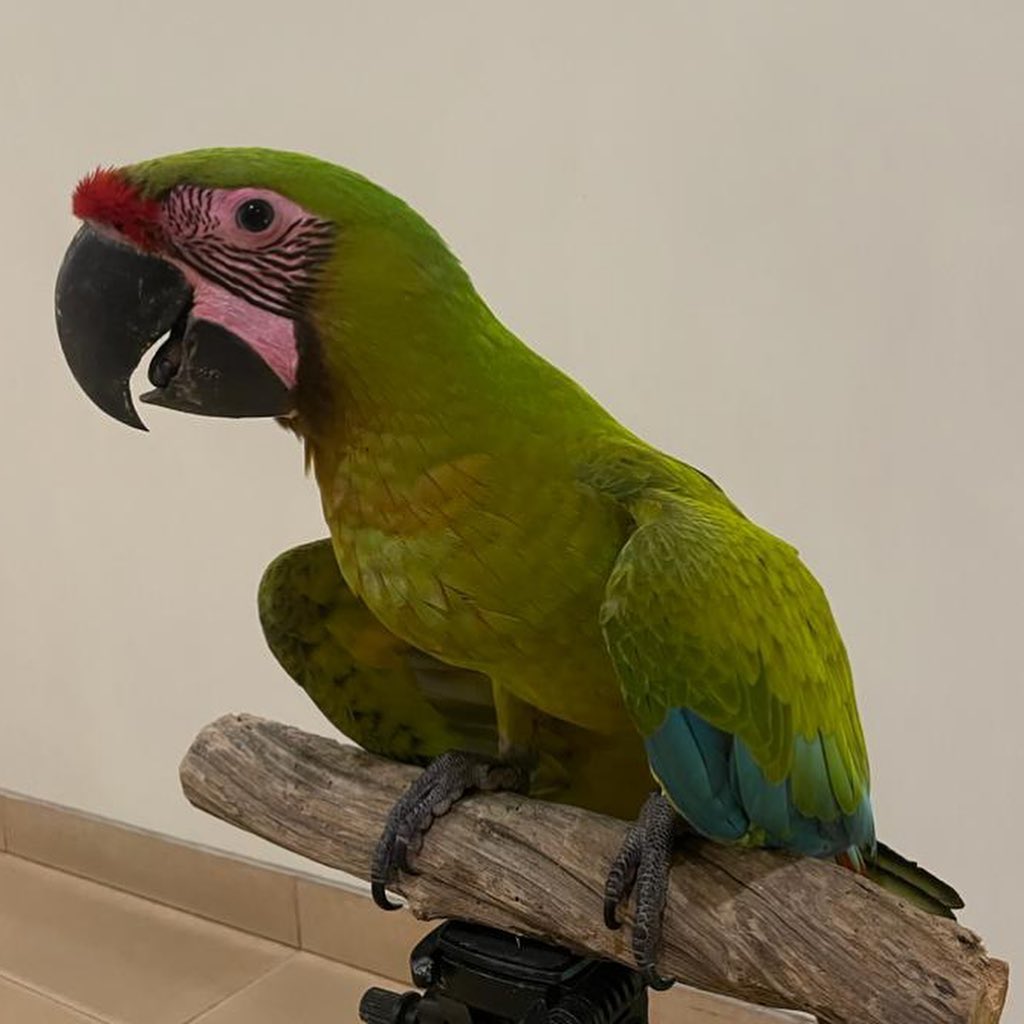
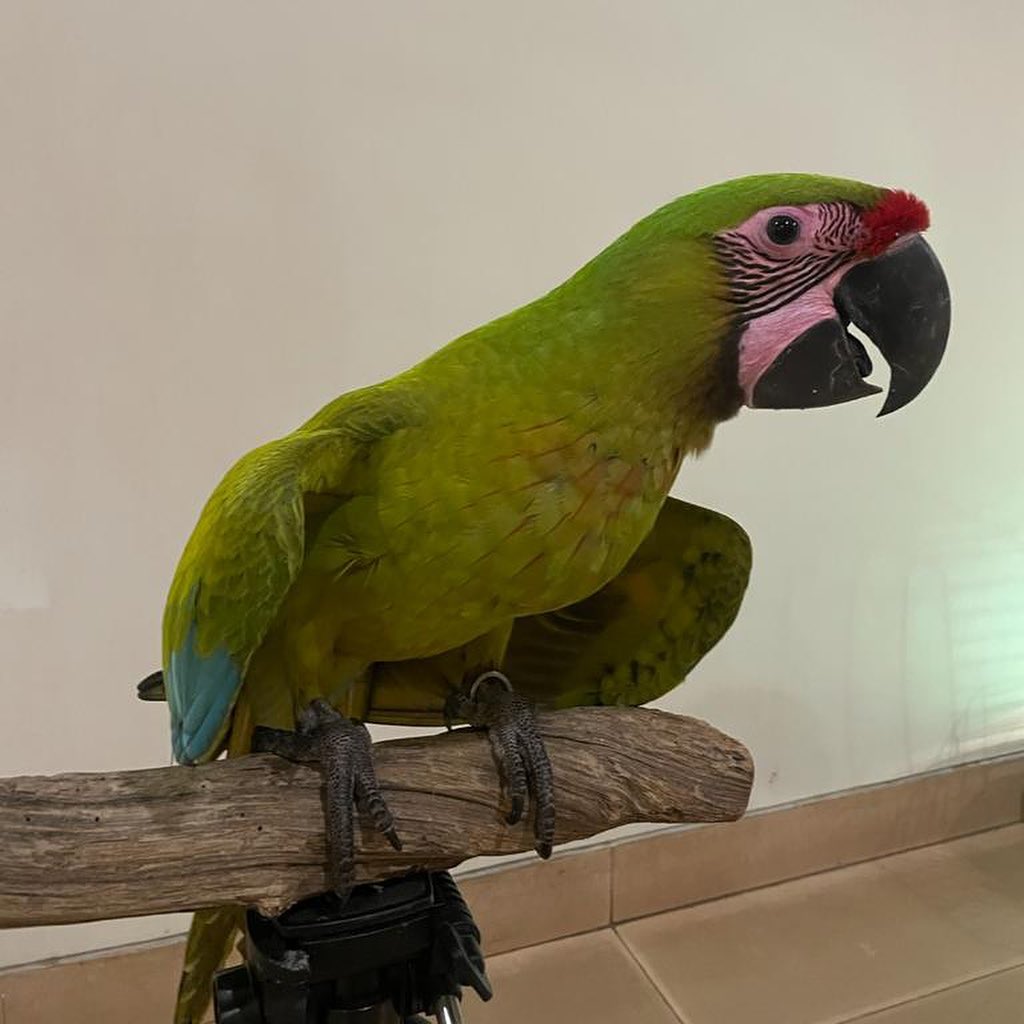
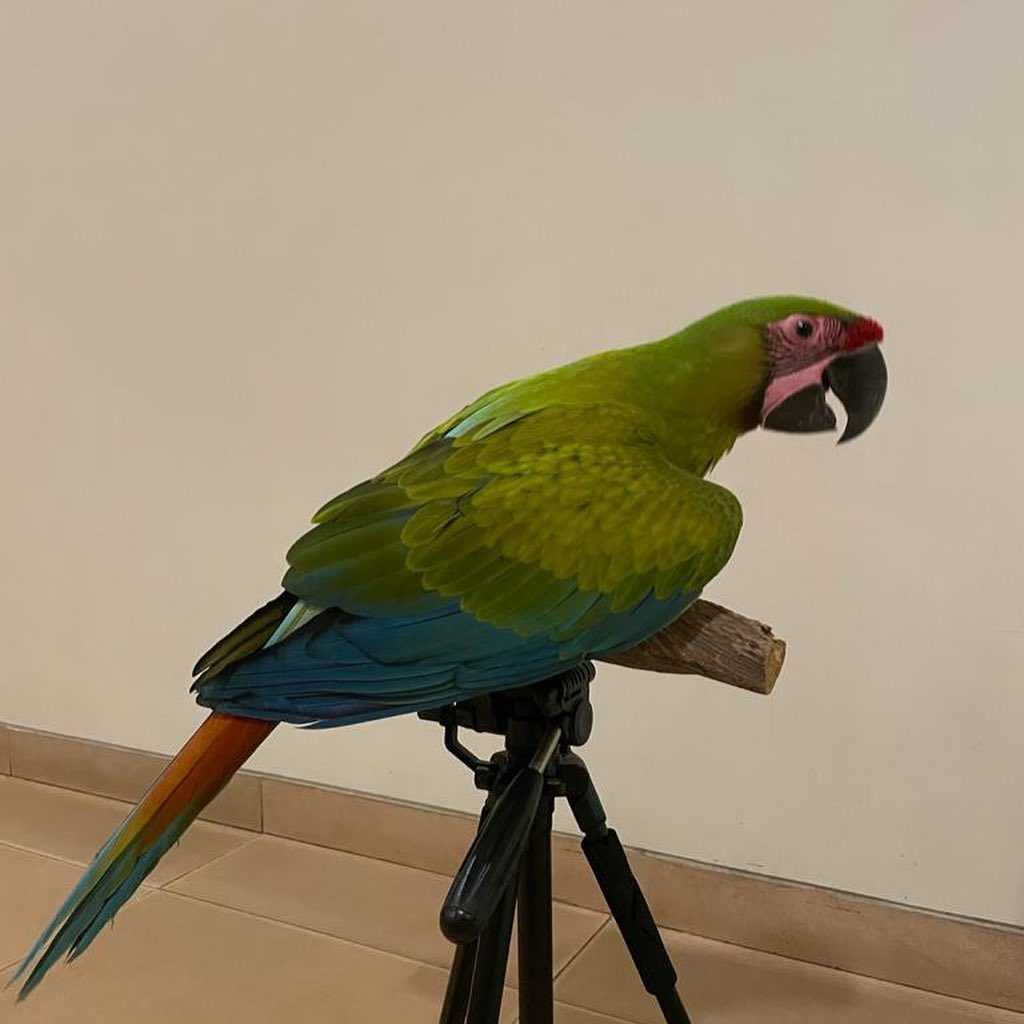
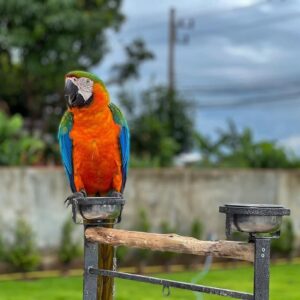
Buffon Macaw
- Name: Daya
- Sex: Female
- Age: 7 Months
- DNA Sexed: Yes
- Hand Fed: Yes
- Hand Raised: Yes
- Fully Weaned: Yes
- Tamed: Yes
- Socialized: Yes
- Talking Ability: Learns Words & Sounds
- Health Status: Healthy & Active
- Veterinary Checked: Yes
- Availability: Available
$5,000.00
Buffon Macaw for Adoption – Hand-Raised Great Green Macaw (Ara ambiguus)
Meet the majestic buffon macaw, also known as the Great Green Macaw—a rare, intelligent, and deeply affectionate companion bird prized for its calm disposition and breathtaking color. If you’re looking for a family-friendly, highly social, and trainable pet bird with long-term companionship potential, our hand-raised buffon macaw offers all of that and more. Each of our macaws is nurtured by an experienced breeder, carefully socialized from an early age, and prepared to thrive in a loving home.
Why Choose Our Buffon Macaw
We believe a great adoption experience starts long before you click “Adopt Me.” Our program prioritizes welfare, temperament, and customer support to ensure a smooth transition from our aviary to your home.
- Hand-raised from an early age: Our chicks are abundance-weaned and fledged, supporting confidence, strong immunity, and excellent social skills.
- Friendly, socialized personalities: Daily positive interaction, gentle handling, and exposure to common household sounds help create a calm, people-focused companion bird.
- Healthy and vet-checked: Each buffon macaw receives a comprehensive wellness exam by an avian veterinarian before adoption.
- DNA sexing (when applicable): We provide DNA sex results so you know your bird’s sex prior to bringing them home.
- Disease screening and hygiene: We maintain a clean, closed-aviary environment with strict biosecurity practices and recommended avian testing.
- Proper nutrition from day one: We raise our macaws on a premium pellet base with fresh vegetables, limited fruits, and appropriate nuts to support growth and feather quality.
- Lifetime support: Our team is here with care guidance, enrichment tips, and training advice long after adoption.
- Adoption-ready: Birds are accustomed to stepping up, basic crate travel, and respectful handling for a smoother transition.
About the Bird Breed
The buffon macaw (Ara ambiguus) is among the largest macaw species and is renowned for its elegant green plumage, red forehead, blue-edged flight feathers, and long, graceful tail. In the wild, they are native to Central and northern South America, where they live in tropical forests. Captive-bred individuals make exceptional companion birds when raised with patience, socialization, and proper avian care.
- Personality and temperament: Often described as “gentle giants,” buffon macaws are affectionate, steady, and naturally curious. With consistent bonding, they form strong attachments to their human flock and enjoy being part of daily routines.
- Intelligence: These parrots are exceptionally bright. They learn quickly, excel at foraging and puzzle toys, and respond well to structured training and consistent cues.
- Talking ability: Many buffon macaws develop a clear vocabulary and can mimic words, sounds, and household noises. Individual talking ability varies, but they are generally good mimics with a playful sense of humor.
- Family compatibility: With proper guidance and supervision, this companion bird can fit beautifully into family life. Due to their size and strength, respectful handling and clear boundaries are essential around children.
- Noise level: As with all large macaws, their calls can be loud. Expect daily vocalization—especially mornings and evenings—and plan for a home environment tolerant of natural parrot noise.
- Appearance and size: The buffon macaw is impressively large and striking, with a commanding presence and powerful beak. Their radiant green body with blue highlights and touches of red makes them an unforgettable showstopper.
- Why people love them: Admirers appreciate their poise, intelligence, and capacity for deep emotional bonding. Their calm demeanor, interactive nature, and beauty make them a standout pet bird for dedicated homes.
Care Guide
Providing excellent avian care ensures your buffon macaw thrives for decades. Below are the core elements of daily husbandry and long-term wellbeing.
Diet
- Base diet: A high-quality formulated pellet should make up the majority of the diet.
- Fresh foods: Offer a variety of vegetables (dark leafy greens, peppers, carrots, squash) and limited fruits for vitamins and enrichment.
- Healthy fats and nuts: Macaws benefit from nuts such as walnuts or almonds in controlled amounts, used mainly as training rewards.
- Avoid: Avocado, chocolate, alcohol, caffeine, salty or sugary human foods, and foods containing Teflon/PTFE/PFOA fumes nearby.
- Hydration: Provide fresh, clean water daily and wash bowls frequently to prevent bacterial growth.
Cage Requirements
- Minimum cage size: For a large macaw, choose a heavy-duty cage sized generously—aim for at least 48″ W x 36″ D x 60″ H interior space, with robust bars and secure locks.
- Bar spacing: Approximately 1.5″ spacing helps prevent injuries and escape attempts.
- Materials: Stainless steel or high-quality, bird-safe powder coating is recommended for durability and hygiene.
- Perches: Provide multiple natural-wood perches of varying diameters to support foot health, plus one manzanita or java wood perch for durability.
- Placement: Position the cage in a bright, active area of the home without direct drafts; ensure a quiet, dark sleep environment for 10–12 hours nightly.
Exercise & Enrichment
- Out-of-cage time: Plan for 3–5 hours daily of supervised time outside the cage for flight (if allowed), stretching, and play.
- Play stands and gyms: Offer at least one sturdy play area with climbing opportunities.
- Toys: Rotate chewable wood toys, foraging puzzles, shreddables, and foot toys multiple times per week to prevent boredom.
- Mental stimulation: Daily training, foraging challenges, and interactive games are essential for an intelligent companion bird like the buffon macaw.
Grooming & Health
- Bathing: Provide showers or misting several times weekly to support skin and feather health.
- Nails & beak: Natural perches help with wear; schedule professional grooming as needed. Never attempt beak trims at home without guidance.
- Veterinary care: Annual (or semi-annual) avian vet checkups, baseline labs when advised, and prompt attention to any changes in appetite, droppings, or behavior.
- Lifespan: With proper care, buffon macaws often live 50–70+ years, making them a long-term family member.
Space & Housing
- Room to move: Large macaws need substantial space and sturdy furnishings, with bird-safe zones for supervised exploration.
- Air quality: Ensure excellent ventilation; avoid smoke, aerosols, scented candles, and nonstick cookware fumes.
- Safety: Remove toxic houseplants and secure electrical cords. Always supervise interactions with other pets.
Training & Socialization
The buffon macaw is highly trainable and thrives on structure and routine. Positive reinforcement is the gold standard for building trust and teaching new skills.
- Foundations: Teach “step up,” “stay,” and targeting using a clicker or verbal marker paired with small, healthy rewards.
- Recall: Practice short, positive recall sessions to build responsiveness and safety during out-of-cage time.
- Harness or flight training: With professional guidance, some families opt for harness training or controlled free-flight in safe environments.
- Socialization: Introduce the bird to different family members, rooms, and gentle household routines. Encourage calm interactions and respect the bird’s body language.
- Bite pressure and boundaries: Teach gentle beak manners through redirection and reinforcement, never punishment.
- Consistency: Short, enjoyable daily sessions prevent frustration and strengthen the bird–human bond.
Why This Bird Makes a Great Pet
For the right household, the buffon macaw is a once-in-a-lifetime companion. Their beauty is undeniable—but it’s their soulful eyes, intelligent playfulness, and devotion to their people that truly enchant adopters. A well-socialized buffon macaw greets you with enthusiasm, joins in family activities, and learns routines quickly. They relish interactive play, quiet shoulder time, and the mental challenges that keep them sharp.
Because of their size and longevity, we recommend this species for devoted pet parents—ideally those with large-parrot experience or first-time macaw owners committed to learning. In return, you’ll gain a remarkable friend who can share decades of life with you, offering loyalty, laughter, and a heartfelt bond.
Frequently Asked Questions
Is a buffon macaw a good pet bird for beginners?
The buffon macaw can be suitable for dedicated beginners who commit to education, time, and mentorship. However, due to their size, strength, and long lifespan, they are often best for experienced parrot keepers or first-time owners working closely with our care team.
What is the typical lifespan of a buffon macaw?
With excellent avian care, balanced diet, enrichment, and regular vet checkups, many buffon macaws live 50–70+ years. Plan for a lifelong companion and consider guardianship arrangements for the future.
How loud are buffon macaws?
All large macaws can be loud. Expect daily vocalization, especially at dawn and dusk. Training, routine, adequate sleep, and mental stimulation help manage noise, but an apartment may not be ideal.
Do buffon macaws talk?
Many develop a solid vocabulary and enjoy mimicking words and sounds. While talking ability varies by individual, the species is intelligent and responsive to regular, positive practice.
What should I feed a buffon macaw?
Offer a premium pellet base, daily vegetables, limited fruit, and measured nuts as high-value treats. Avoid toxic foods (like avocado and chocolate) and keep fresh water available at all times.
What cage size does a buffon macaw need?
Choose a heavy-duty macaw cage with generous dimensions—around 48″ W x 36″ D x 60″ H or larger—with approximately 1.5″ bar spacing. Provide multiple natural perches, foraging stations, and safe toys.
Are buffon macaws family-friendly?
Yes, with proper training and supervision. Teach children to respect the bird’s space and always supervise interactions. Introduce other pets gradually and safely.
What health checks do your birds receive before adoption?
Our buffon macaws are examined by an avian veterinarian prior to going home. We follow recommended disease screening, provide DNA sexing when applicable, and share husbandry records. We also offer post-adoption support to ensure a healthy transition.
How does adoption or reservation work?
Click “Adopt Me” to start. A specialist will confirm current availability, discuss fit for your home, and review our deposit and scheduling process. We prioritize a smooth, stress-minimized transition with guidance on setup, diet, and travel.
Conclusion
If you’re ready for a striking, intelligent, and affectionate companion bird, our hand-raised buffon macaw could be the perfect match. We combine ethical breeding, expert socialization, and lifetime support to help you welcome a confident, healthy parrot into your family. Click “Adopt Me” to check availability, reserve your bird, or speak with our team—and take the first step toward life with a remarkable buffon macaw.
Be the first to review “Buffon Macaw”
Related products
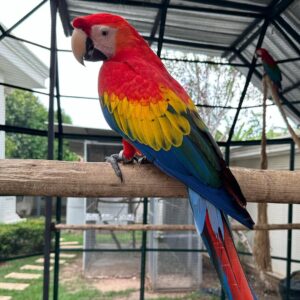
Macaw for sale
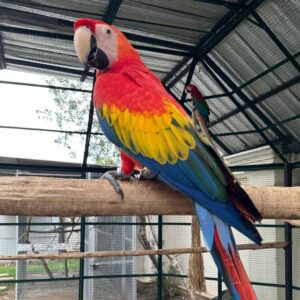
Macaw for sale
Reviews
There are no reviews yet.