
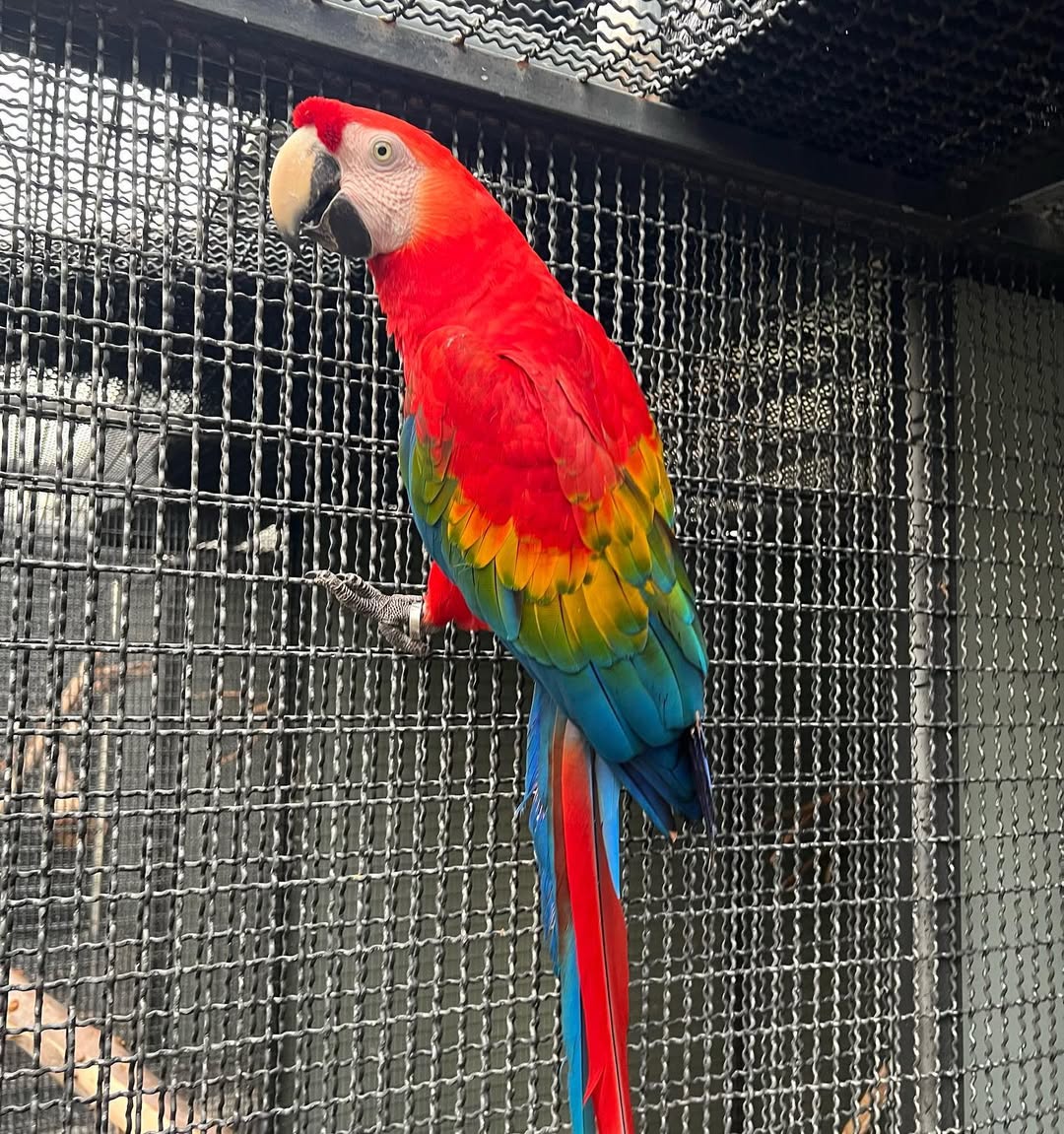
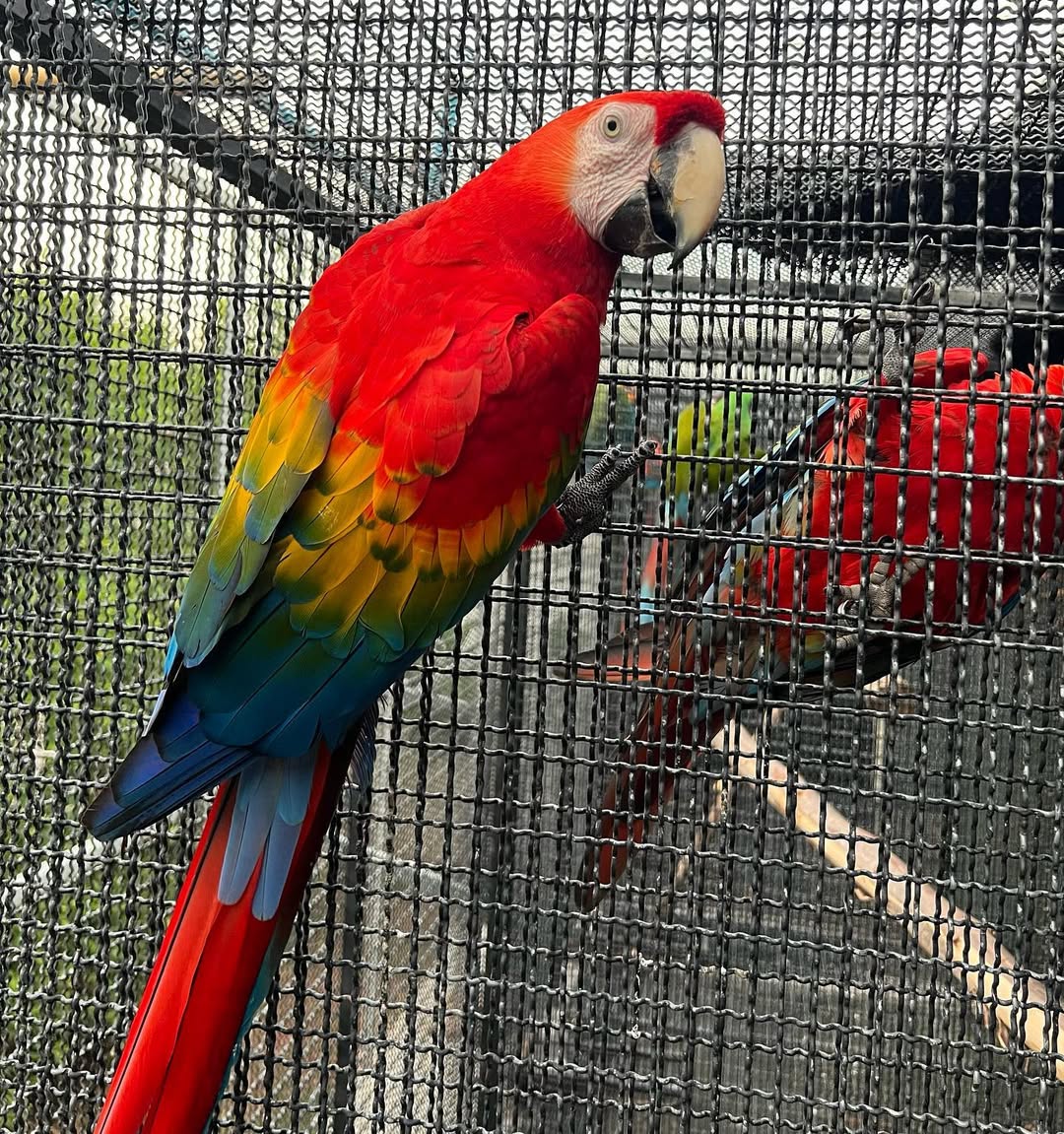
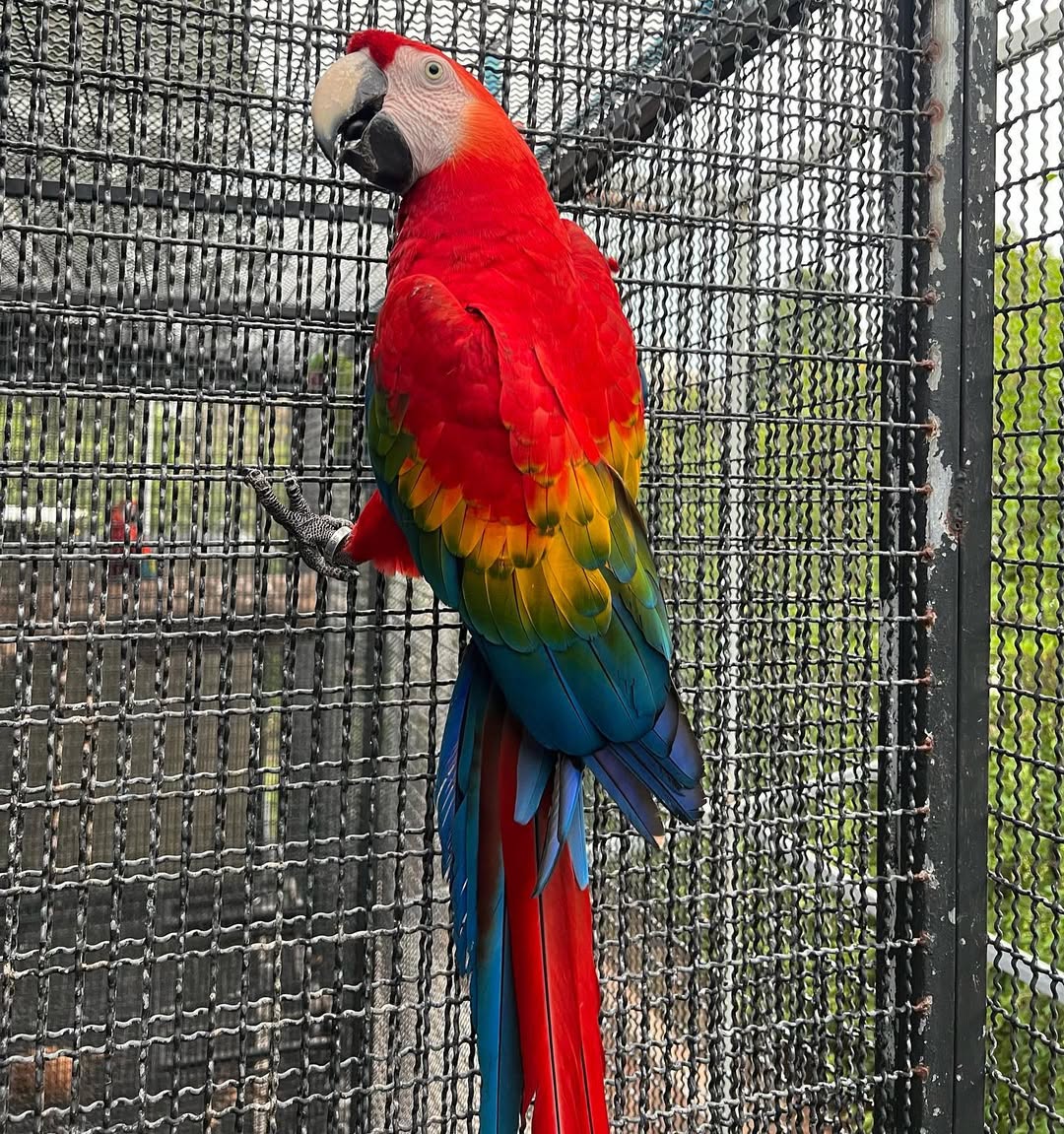
Scarlet Macaw For Sale
- Name: Rio
- Sex: Male
- Age: 6 Months
- DNA Sexed: Yes
- Hand Fed: Yes
- Hand Raised: Yes
- Fully Weaned: Yes
- Tamed: Yes
- Socialized: Yes
- Talking Ability: Learns Words & Sounds
- Health Status: Healthy & Active
- Veterinary Checked: Yes
- Availability: Available
$1,900.00
Scarlet Macaw for Sale – Hand-Raised, Vet-Checked Companion
Bold, brilliant, and breathtaking, the Scarlet Macaw is the ultimate statement of beauty and intelligence in a companion bird. If you’re searching for a premium scarlet macaw for sale, our aviary raises these magnificent parrots with expert care, gentle handling, and full socialization so they arrive confident, curious, and ready to bond. This is not just a pet bird—it’s a lifelong companion with a dazzling personality to match its vivid plumage.
Every Scarlet Macaw in our nursery is nurtured from the start with daily interaction, positive reinforcement, and a balanced diet. When you click “Adopt Me,” you’re choosing a trusted breeder, lifetime support, and a thoughtfully raised companion bird prepared for success in your home.
Why Choose Our Scarlet Macaw for Sale
- Hand-raised from a young age: Gentle, frequent handling encourages trust, excellent temperament, and easy socialization.
- Friendly personality: Raised around people and household sounds for a confident, people-oriented companion.
- Health-first approach: Vet-checked, well-feathered, and weaned onto a balanced diet before adoption.
- DNA sexing available: Know your bird’s sex when age-appropriate and requested.
- Clean, safe environment: Our nursery follows strict hygiene and biosecurity standards for avian care.
- Early training: Step-up basics, gentle handling, and positive reinforcement to support a smooth transition.
- Lifetime breeder support: Guidance on diet, cage size, enrichment, and behavior, plus help integrating into your routine.
- Adoption-ready: Socialized, eating independently, and prepared for bonding in a loving home.
About the Bird Breed
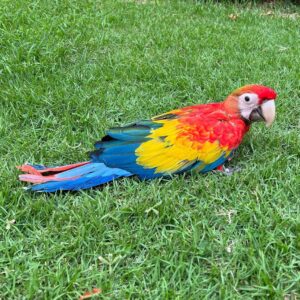
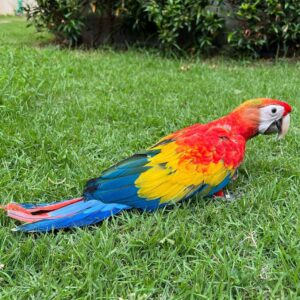
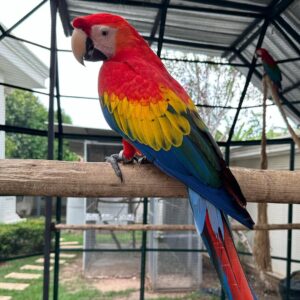
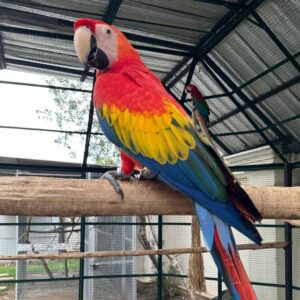
The Scarlet Macaw (Ara macao) is native to the tropical rainforests of Central and South America. Renowned for its crimson body, cobalt-blue wings, and sunlit yellow highlights, this parrot is as striking as it is intelligent. Their commanding presence, playful curiosity, and deep capacity for bonding make them one of the most sought-after companion birds.
- Personality & Temperament: Highly intelligent, expressive, and affectionate with their chosen people. They are confident and enjoy interactive play, but they also appreciate calm, consistent routines.
- Intelligence: Quick learners that excel at foraging, puzzle toys, and training games. They thrive on mental challenges and daily engagement.
- Talking Ability: Many Scarlets develop a clear voice and a fun vocabulary, though individual talking ability varies. They often mimic household sounds, whistles, and phrases with enthusiasm.
- Family Compatibility: With proper socialization and guidance, they can do well in committed households. Best suited to experienced or dedicated guardians, and families who can manage noise, mess, and daily interaction.
- Noise Level: Vocal and capable of powerful calls, particularly at dawn and dusk. Not ideal for noise-sensitive environments or apartments with strict noise limits.
- Size & Appearance: A large macaw with a commanding beak and long tail. Adults are typically over 30 inches from head to tail, with strong jaws built for cracking nuts and chewing wood.
People love the Scarlet Macaw as a pet for its vibrant colors, emotional depth, playful demeanor, and the remarkable bond it forms with its human flock.
Care Guide
Scarlet Macaws are rewarding companions that thrive when their physical, social, and mental needs are met. Here’s what excellent avian care looks like for this species:
Diet & Nutrition
- Base diet: High-quality formulated pellets as the primary staple.
- Fresh foods: Daily leafy greens, vegetables (e.g., peppers, carrots, broccoli, squash), and limited low-sugar fruits.
- Healthy fats: Nuts and seeds offered sparingly as training rewards (e.g., almonds, walnuts, macadamias).
- Fresh water: Replace at least once or twice daily; keep bowls clean.
- Avoid: Avocado, chocolate, caffeine, alcohol, onion/garlic in excess, and high-salt or high-sugar snacks.
Cage Requirements & Space
- Minimum cage size: Large macaw-sized enclosure recommended—approximately 40″ W x 30″ D x 60″ H or larger, with 1″–1.5″ bar spacing.
- Play areas: A sturdy play stand or gym outside the cage to encourage climbing, flapping, and exploration.
- Perches: Natural wood perches of varying diameters to promote healthy feet and prevent pressure sores.
- Placement: Set the cage in a social part of the home (not the kitchen) with natural light and a calm overnight sleeping routine.
- Cleanliness: Spot-clean daily; deep-clean bowls, grates, and tray weekly to maintain optimal hygiene.
Exercise & Enrichment
- Out-of-cage time: Aim for 3–4 hours daily of supervised activity, including flight (if permitted and safe), climbing, and foraging.
- Toys: Rotate chewing, shredding, puzzle, and foraging toys weekly to prevent boredom. Provide heavy-duty wood and safe, stainless-steel hardware.
- Training games: Short, daily sessions using positive reinforcement to build confidence and strengthen your bond.
Grooming & Wellness
- Bathing: Offer showers or misting several times per week; many macaws enjoy gentle spray baths.
- Nails & beak: Nails may need periodic trims; beak maintenance is typically supported by proper chewing opportunities and diet. Consult an avian vet as needed.
- Wings: If you choose to clip, have it done by an avian professional; many homes opt for flight with safety training.
- Veterinary care: Annual wellness exams with an avian veterinarian are essential for longevity and early detection of issues.
Lifespan & Commitment
- Lifespan: Often 40–60+ years with excellent care, making them a multi-decade commitment.
- Planning: Establish a care plan, designate a guardian, and maintain consistent routines for long-term wellbeing.
Training & Socialization
Scarlet Macaws are exceptionally trainable. Early, positive experiences create a confident, well-mannered companion bird.
- Positive reinforcement: Use treats, praise, and a clicker or verbal “bridge” to mark desired behaviors.
- Core skills: Step-up/step-down, stationing on a perch, recall/target training, and crate/carrier comfort.
- Daily interaction: Multiple short sessions (5–15 minutes) build trust and prevent overstimulation.
- Socialization: Introduce new people, rooms, sounds, and toys gradually. Read body language and respect boundaries.
- Preventing problem behaviors: Offer chew outlets, foraging tasks, and consistent routines to reduce screaming and nipping.
Why This Bird Makes a Great Pet
For the right home, a Scarlet Macaw is a life-changing companion—intelligent, expressive, and overflowing with personality. They learn your schedule, mirror your energy, and form deep, lasting bonds. Their beauty is more than feathers: it’s in their curiosity, their affection, and the joy they bring to daily routines like breakfast chatter, shower time, and evening cuddles on a play stand.
They are best for dedicated keepers—individuals or families who welcome an interactive pet bird, appreciate training, and enjoy the humorous theatrics of a large parrot. In return, you’ll gain a loyal friend who thrives on your attention and rewards you with a lifetime of color, conversation, and companionship.
Frequently Asked Questions
Is your scarlet macaw for sale vet-checked and healthy?
Yes. Each bird receives a wellness exam by an avian veterinarian, is fully weaned, and is monitored for excellent weight, feather condition, and appetite. DNA sexing is available upon request when age-appropriate.
What does a Scarlet Macaw eat?
A balanced diet includes high-quality pellets, daily vegetables and leafy greens, limited fruit, and nuts as training treats. Fresh, clean water should always be available. Avoid toxic foods like avocado, chocolate, and anything high in salt or sugar.
How long does a Scarlet Macaw live?
With proper avian care, enrichment, and regular veterinary visits, many live 40–60 years or more. Be prepared for a long-term, loving commitment.
Do Scarlet Macaws talk?
Many do. While talking ability varies by individual, they’re excellent mimics and can learn words, phrases, and whistles. Consistent training and repetition help develop vocal skills.
What is their temperament like?
Curious, confident, and affectionate with their people. They need daily interaction and strong chew/forage outlets. As a large parrot, they can be assertive—clear boundaries and positive training are essential.
Are Scarlet Macaws suitable for beginners?
They are best for experienced parrot owners or highly committed beginners who have researched avian care, are prepared for noise and mess, and will invest daily time in socialization and training. We provide guidance to help you succeed.
What cage size do I need?
Choose a large, sturdy macaw cage—approximately 40″ W x 30″ D x 60″ H or larger—with 1″–1.5″ bar spacing. Add a separate play gym for safe out-of-cage time and exercise.
How much attention do they require each day?
Plan on several hours of interactive time daily, including training, play, foraging, and supervised exploration. Rotating toys and providing mental challenges prevents boredom and unwanted behaviors.
How do I reserve or adopt?
Click the “Adopt Me” button to begin the adoption or reservation process for our scarlet macaw for sale. We’ll confirm availability, discuss fit, and review our health and care policies. Local pickup or coordinated delivery options may be available depending on location.
What support do you provide after adoption?
We include lifetime breeder support. You’ll receive guidance on diet, cage setup, training, socialization, and wellness. Our goal is a smooth transition and a thriving bird-human bond.
Conclusion
If you’re ready for a breathtaking companion with heart, humor, and incredible intelligence, a Scarlet Macaw may be the perfect match. Our hand-raised parrots are nurtured for health, confidence, and connection—so you can focus on building a joyful life together. Click “Adopt Me” to reserve, ask questions, or schedule a visit, and take the first step toward welcoming a magnificent scarlet macaw for sale into your home.
Be the first to review “Scarlet Macaw For Sale”
Related products


Macaw for sale


Macaw for sale
Reviews
There are no reviews yet.