
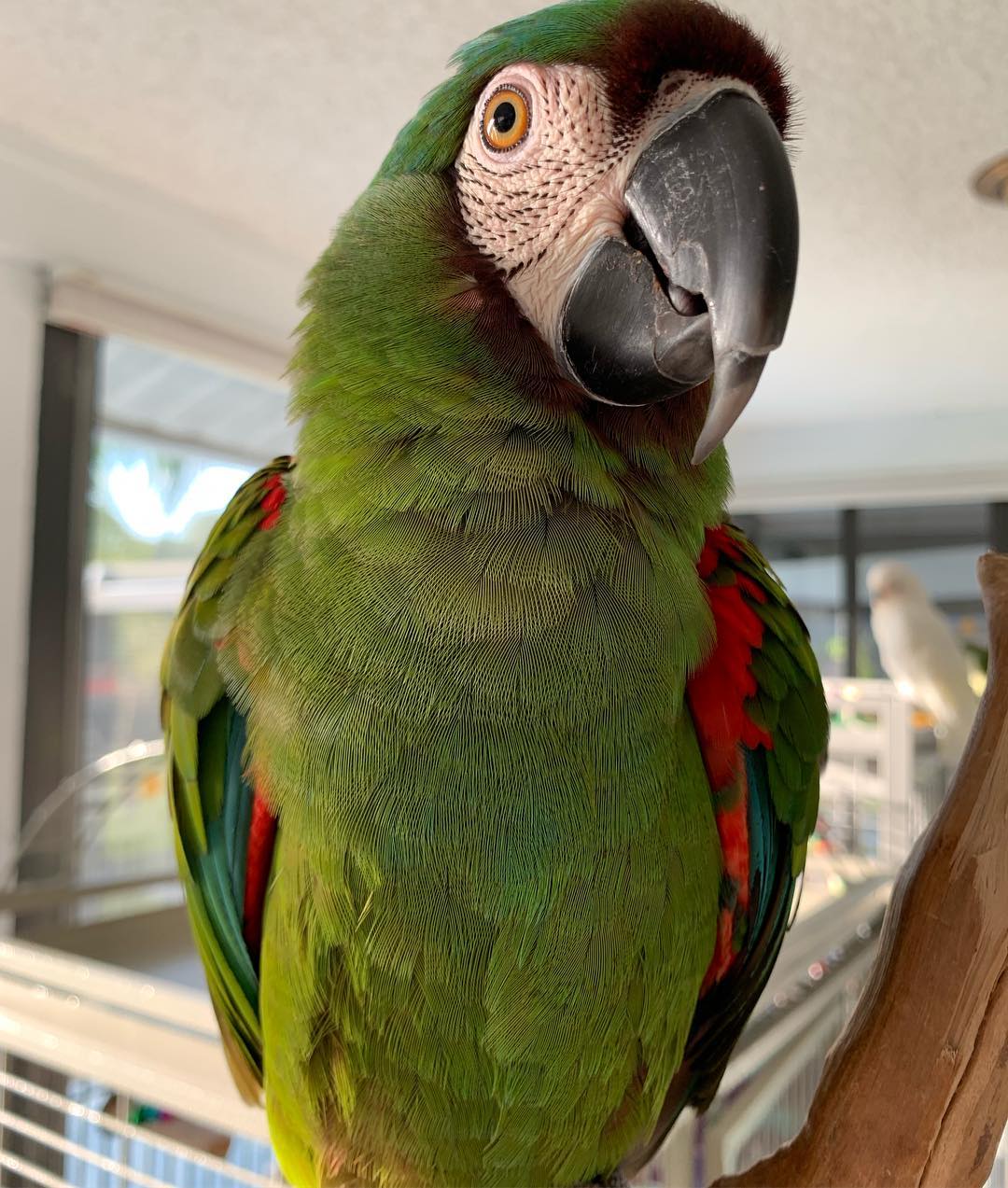
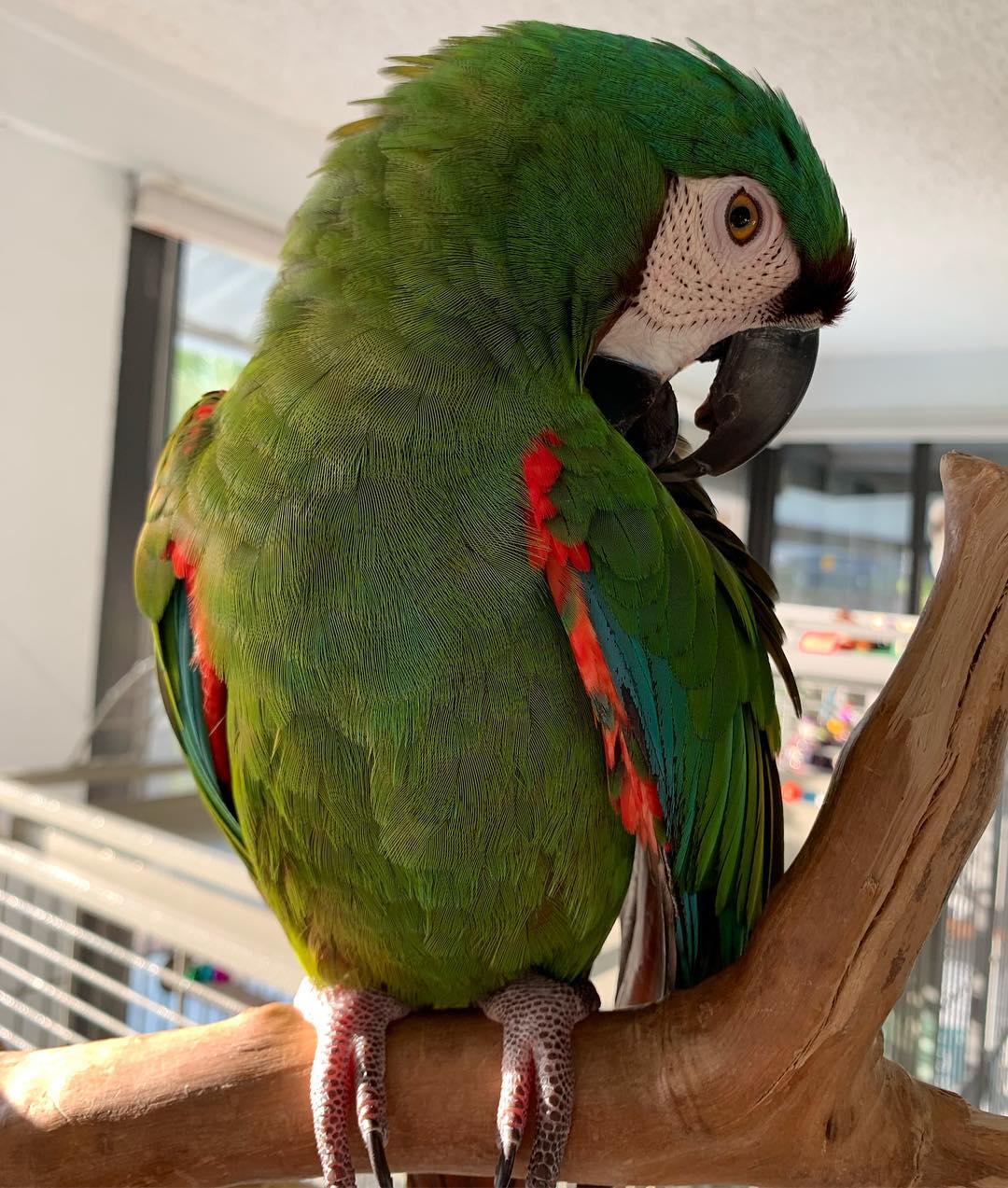
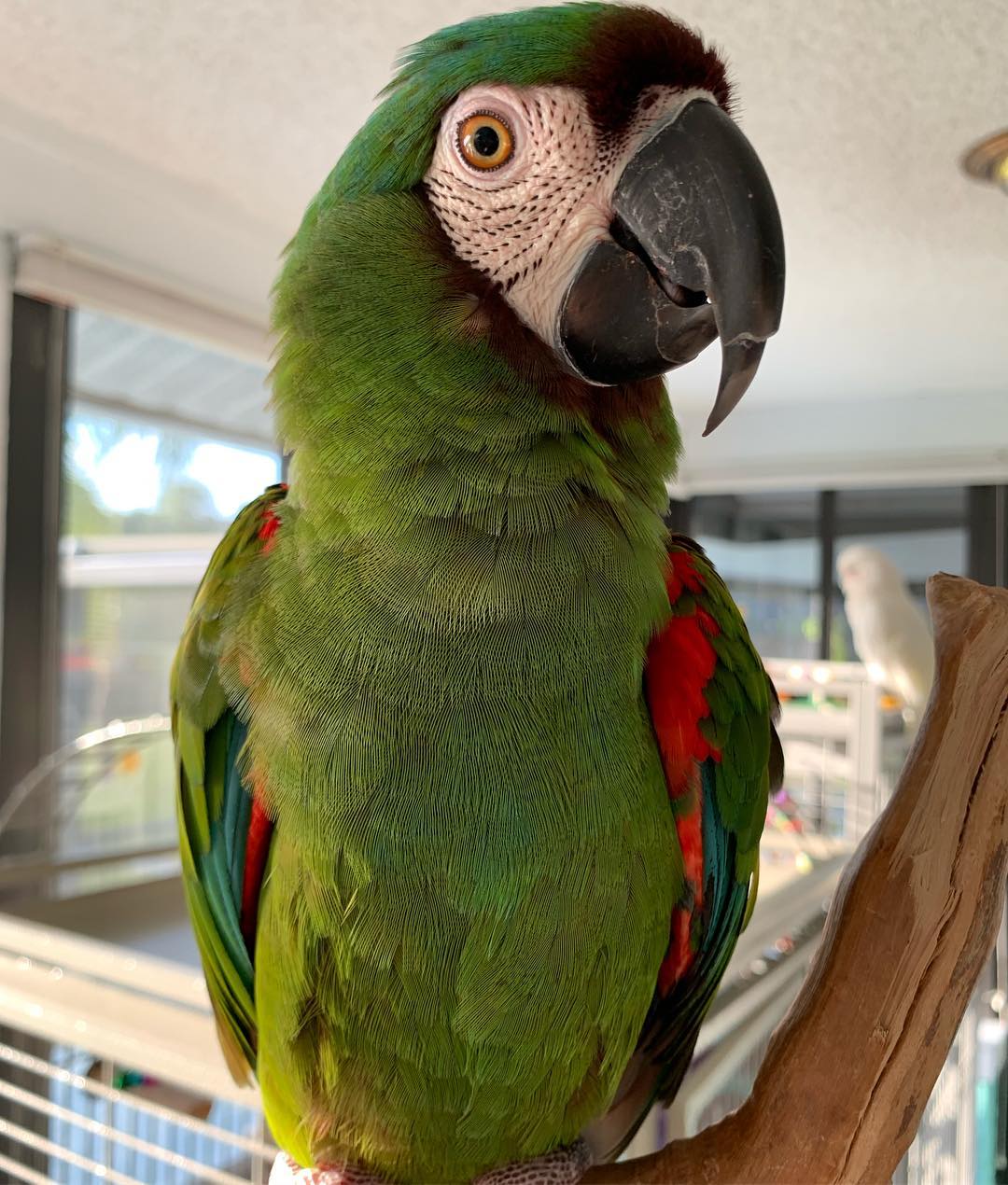
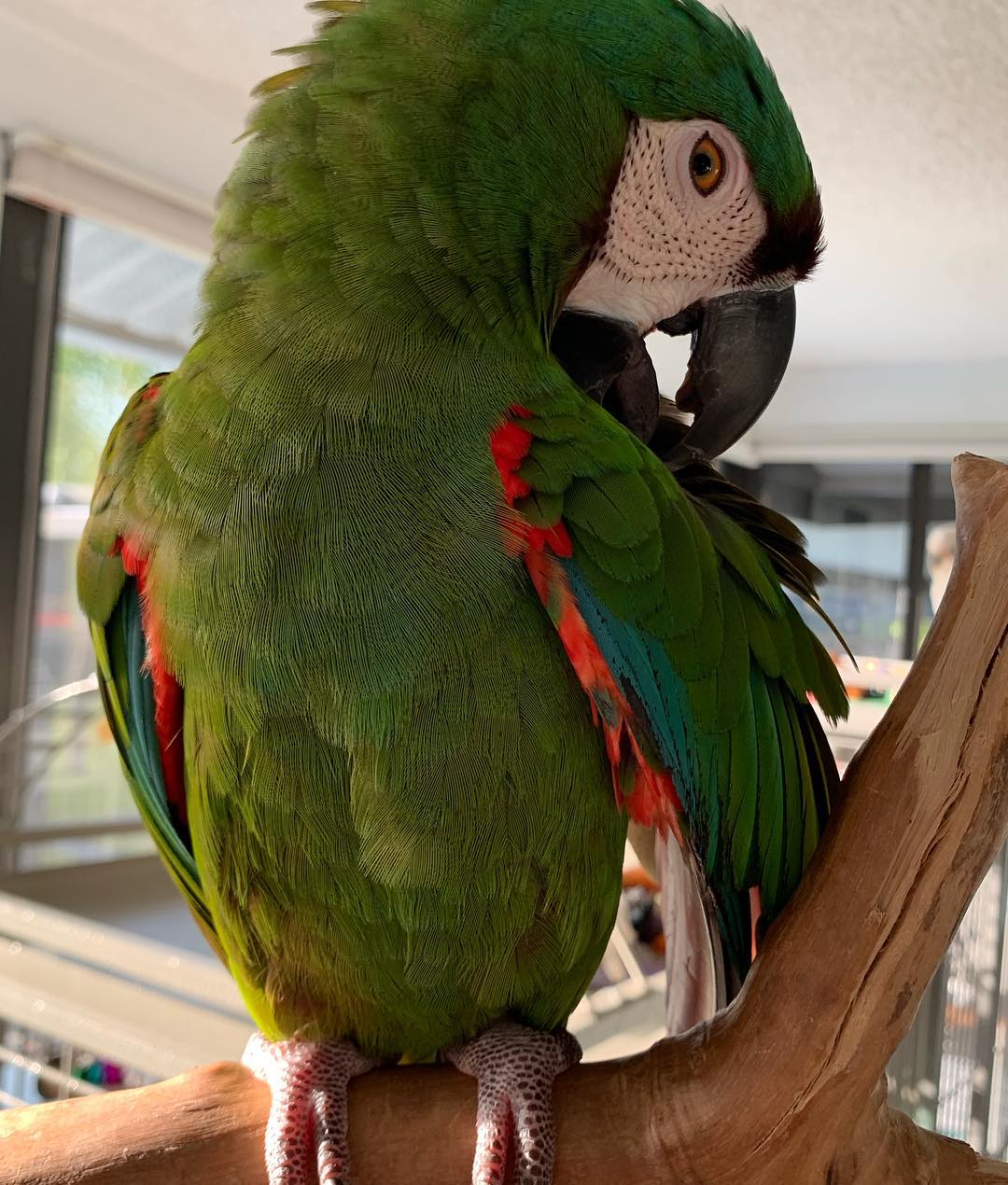
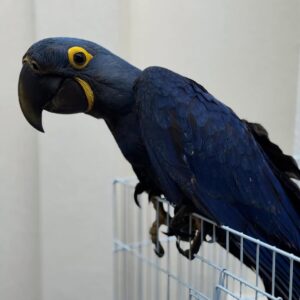
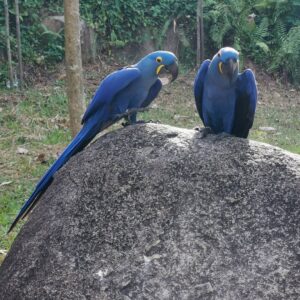
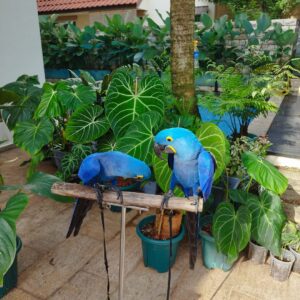
Severe Macaw
- Name: Jack
- Sex: Male
- Age: 8 Months
- DNA Sexed: Yes
- Hand Fed: Yes
- Hand Raised: Yes
- Fully Weaned: Yes
- Tamed: Yes
- Socialized: Yes
- Talking Ability: Learns Words & Sounds
- Health Status: Healthy & Active
- Veterinary Checked: Yes
- Availability: Available
$5,000.00
Severe Macaw for Adoption – Hand-Raised, Social, and Stunning
Bring home the color, character, and charm of a severe macaw—also known as the chestnut-fronted macaw (Ara severus). This intelligent companion bird is celebrated for its vibrant personality, expressive eyes, and remarkable bond with the people it loves. If you’re searching for a family-friendly pet bird with bright looks, big brains, and a heart to match, our hand-raised severe macaw may be the perfect fit. Browse availability below and, when you’re ready, tap the Adopt Me button to reserve your new feathered friend.
Why Choose Our Severe Macaw
We raise every bird with the same care we would give our own companions. From early socialization to lifelong support, our breeder standards are designed to help your severe macaw thrive from day one.
- Hand-raised and socialized: Nurtured from an early age for gentle handling, confident perching, and a strong human bond.
- Friendly personality: Exposure to everyday household sounds and routines encourages a calm, people-focused temperament.
- Healthy and vet-checked: Each bird receives a thorough wellness exam by an avian veterinarian.
- DNA sexing available: DNA testing can be provided upon request to confirm sex for your records.
- Weaned onto a balanced diet: Transitioned to high-quality pellets, vegetables, and fresh foods for optimal nutrition.
- Clean, caring environment: Raised in a sanitary, enrichment-rich setting with proper hygiene protocols.
- Lifetime guidance: We’re here with avian care advice, training tips, and product recommendations long after adoption.
- Ready for a new home: Birds are adopted once fully weaned, eating well, and showing confident perch and step-up behaviors.
About the Severe Macaw Breed
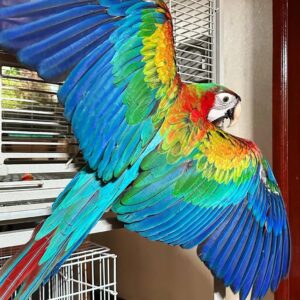
The severe macaw is a “mini macaw,” smaller than the large Ara macaws but still substantial in presence and personality. Originating from parts of Central and South America, this species is admired for its lush green plumage with blue highlights and a distinctive chestnut hue on the forehead. Elegant facial lines and a long, tapered tail complete its striking look.
Personality and intelligence: Brimming with curiosity, this companion bird is quick to explore, learn, and engage. Severe macaws are highly intelligent and benefit from training games, foraging challenges, and regular interaction. They’re expressive, communicative, and eager to be part of your routine.
Temperament: With proper socialization, these birds are affectionate and people-oriented. Like many parrots, they may bond closely with favorite humans and can go through hormonal phases. Consistent training, clear boundaries, and enrichment help maintain a sweet, even-keeled companion.
Talking ability and sounds: Many severe macaws develop a fun vocabulary and mimic household sounds. Their voices can be raspy yet clear, making simple words and phrases understandable. While they are generally less loud than the largest macaws, they still have a strong call—expect some vocal sessions, especially in the morning and evening.
Family compatibility: With guidance, they can do well in family settings. Supervise interactions with children, teach gentle handling, and keep routines predictable. This species appreciates daily contact and thrives in homes where time and attention are readily given.
Appearance and size: A medium-length macaw with a long tail and athletic build, the severe macaw is big enough to impress without overwhelming smaller living spaces. Their expressive eyes, white facial patches, and chestnut accents set them apart in any flock.
People love the severe macaw as a pet because it blends the beauty and charisma of a macaw with a manageable size, trainability, and an affectionate nature that deepens with daily interaction.
Care Guide
A thriving severe macaw needs a balanced diet, generous space, daily enrichment, and consistent companionship. Here’s how to set up for success.
Diet and Nutrition
- Base diet of high-quality formulated pellets suitable for medium parrots.
- Daily fresh vegetables (leafy greens, peppers, carrots, squash) and limited fruit for variety.
- Nuts and seeds used sparingly as high-value training rewards and for foraging toys.
- Fresh, clean water changed daily; bowls washed regularly.
- Avoid toxic foods such as avocado, chocolate, caffeine, alcohol, and foods high in salt or sugar.
Cage and Space Requirements
- Choose a spacious cage built for parrots, with sturdy bars and bird-safe finishes.
- Provide ample horizontal space for wing stretches and climbing, plus a tall profile for roosting.
- Bar spacing appropriate for a mini macaw to prevent injury.
- Include multiple perch types and diameters (natural wood is excellent) to support foot health.
- Set up a separate playstand or activity area outside the cage for daily out-of-cage time.
Exercise and Enrichment
- Plan for several hours of supervised out-of-cage time each day to fly or flap, climb, and explore.
- Rotate a mix of chew toys, foraging puzzles, and shreddables to satisfy their need to work and play.
- Offer training sessions for mental stimulation—targeting, step-up practice, recall, and tricks.
- Provide safe opportunities to bathe: misting, shower perch time, or shallow water dishes.
Grooming and Wellness
- Nail trims as needed; provide hard perches and toys to promote natural wear.
- Beak health is supported through proper diet and chew materials; consult an avian vet if shaping is needed.
- Regular bathing keeps feathers and skin in top condition.
- Schedule annual wellness visits with an avian veterinarian for exams and routine testing.
Lifespan and Long-Term Commitment
- Severe macaws are long-lived; with excellent care, many enjoy decades of companionship.
- Plan for evolving needs over time: diet adjustments, enrichment variety, and continued training.
- Line up a trusted caregiver plan for life events and travel.
Training & Socialization
This species is highly trainable and thrives with positive reinforcement. Keep sessions upbeat, brief, and consistent. Reward desired behaviors with praise, gentle scratches, or small treats.
- Bonding: Develop trust through calm presence, hand-feeding, and routine perch time.
- Step-up mastery: Practice step-up and step-down daily, on both hands and perches.
- Target training: Use a target stick to guide movement, build focus, and shape new tricks.
- Recall work: In a safe space, encourage short flights or hops to you on cue.
- Socialization: Introduce new people and environments gradually to build confidence and reduce fear responses.
With patient guidance, your severe macaw becomes an engaged companion that looks forward to training time as a fun, enriching game.
Why This Bird Makes a Great Pet
The severe macaw offers a special balance of beauty, brains, and bonding. Its vibrant coloring catches the eye, while its lively personality captures the heart. As a companion bird, it genuinely enjoys being part of your day—sharing shoulder time, learning cues, and celebrating small routines that build a lifelong connection.
- Emotional bonding: Forms a meaningful, trusting relationship with consistent companions.
- Interactive intelligence: Learns quickly, loves puzzles, and shines in training.
- Manageable size:</-strong> Offers macaw charm without the footprint of the largest species.
- Family-friendly with guidance: With structure and supervision, can fit beautifully into active households.
- Long-term companionship: A shared life measured in decades, filled with color and character.
Frequently Asked Questions
Is the severe macaw a good pet for beginners?
It can be, for committed beginners who are ready to learn, follow guidance, and invest daily time. Many first-time adopters succeed with mentorship, a proper setup, and consistent training. Those with prior parrot experience may find the transition easier.
How loud is a severe macaw?
Expect a strong voice—generally less booming than large macaws, but still capable of loud calls. Morning and evening vocal periods are normal. Training, enrichment, and a calm routine help manage volume and duration.
What does a severe macaw eat?
A balanced pet bird diet includes quality pellets, daily vegetables, limited fruit, and small portions of nuts or seeds as training treats. Avoid unhealthy or toxic foods such as avocado, chocolate, caffeine, and high-salt snacks.
How long does a severe macaw live?
With excellent avian care, proper diet, and regular veterinary checkups, many live for several decades. Choosing a trusted breeder and maintaining consistent wellness routines supports a long, healthy lifespan.
Can a severe macaw talk?
Many do. They often learn words, phrases, and household sounds. Clarity and vocabulary vary by individual. Daily interaction and repetition encourage talking ability, but not every bird will choose to speak.
What temperament should I expect?
Affectionate, curious, and playful—yet occasionally stubborn. Clear boundaries, structured training, and positive reinforcement guide a friendly, confident temperament. Hormonal seasons are normal and can be managed with routine and enrichment.
What cage size is recommended?
Choose a spacious, sturdy cage built for parrots, with safe bar spacing for a mini macaw. Ample room for flapping, climbing, and multiple perches is essential. Add a separate playstand for daily out-of-cage time.
Is a severe macaw good with kids and other pets?
With supervision and respectful handling, they can be family-friendly. Always monitor interactions with children and other household pets, and provide the bird with safe retreat spaces.
How much daily attention does a severe macaw need?
Plan for several hours of interaction, training, and supervised play each day. This is a social, companion bird; consistent engagement supports good behavior and emotional well-being.
How does adoption or reservation work?
Click the Adopt Me button to start the process. We’ll confirm availability, discuss your setup, and arrange a deposit to reserve when appropriate. Birds go home once fully weaned and vet-checked. Local pickup is preferred; safe transport options can be discussed when necessary.
What health guarantees do you provide?
Each bird is examined by an avian veterinarian before adoption. We provide a health record and ongoing support. DNA sexing is available upon request. We recommend a post-adoption wellness visit with your own avian vet to establish care.
Conclusion
If you’re ready for a vibrant, intelligent companion who loves to learn and loves to love, the severe macaw delivers in color, character, and connection. Our hand-raised birds are socialized, vet-checked, and prepared for a smooth transition into a caring home. Tap the Adopt Me button to check current availability or place a reservation, and begin your journey with a treasured severe macaw today.
Be the first to review “Severe Macaw”
Related products
Macaw for sale

Macaw for sale
Reviews
There are no reviews yet.