
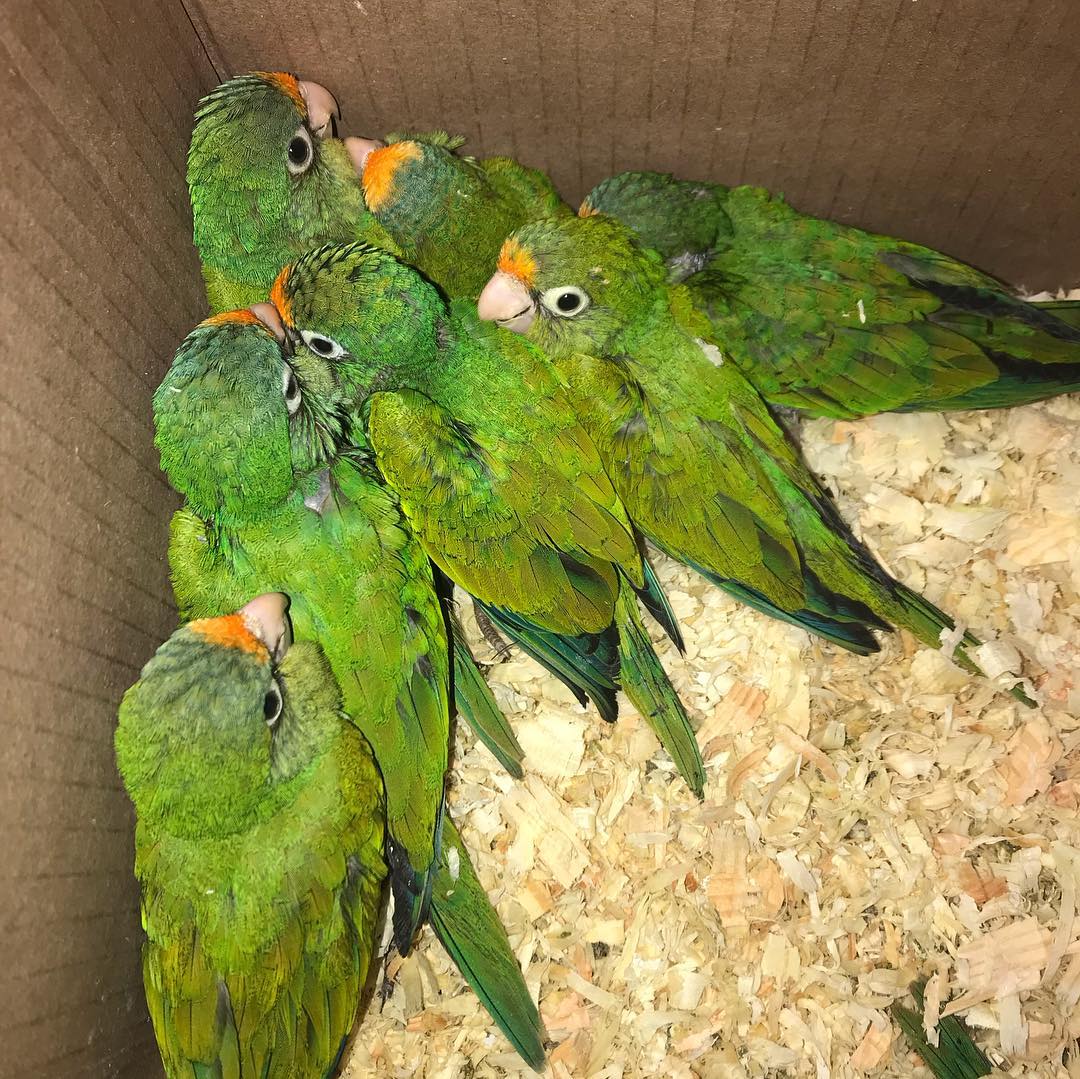
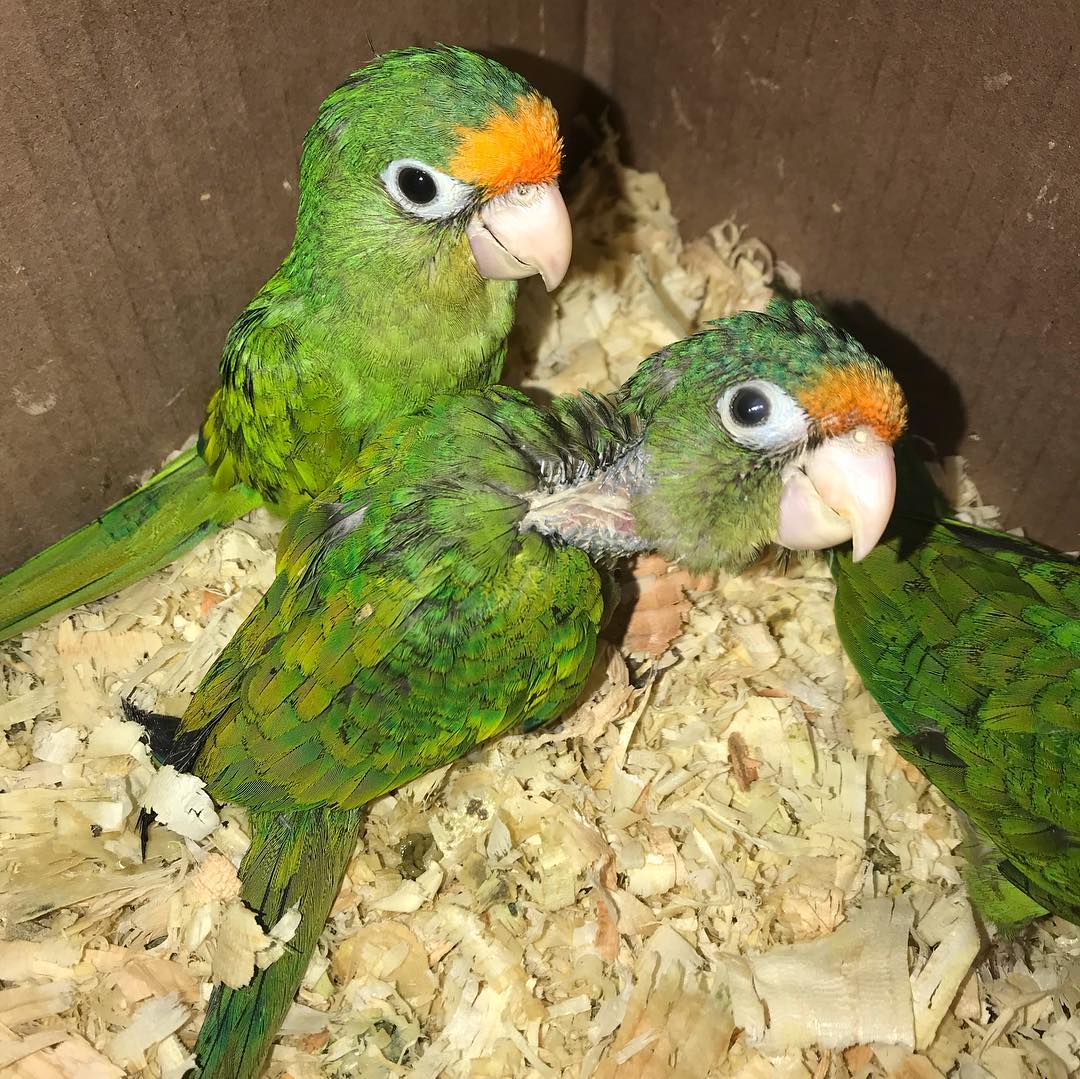
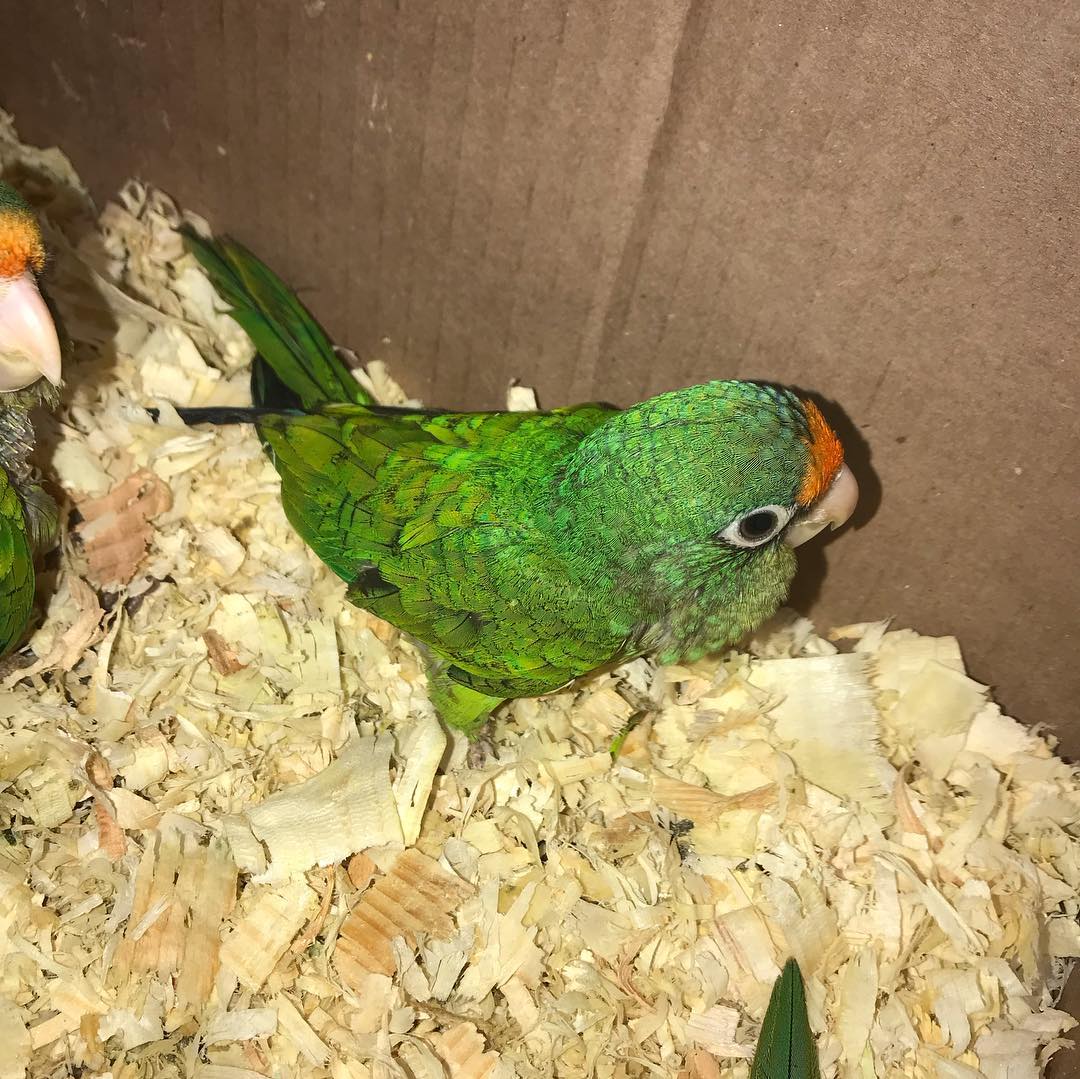
Half Moon Conure
- Sex: Male & Female available
- Age: 3 Months
- DNA Sexed: Yes
- Hand Fed: Yes
- Hand Raised: Yes
- Fully Weaned: Yes
- Tamed: Yes
- Socialized: Yes
- Talking Ability: Mimics Simple Sounds
- Health Status: Healthy & Active
- Veterinary Checked: Yes
- Availability: Available
$800.00
Half Moon Conure – Hand-Raised Companion for Adoption
Looking for a small, social, and delightfully expressive pet bird? The half moon conure is a charming, intelligent companion that wins hearts with its bright personality and gentle nature. Our hand-raised babies are nurtured by experienced avian caregivers, making them confident, people-focused pets who love to interact, learn, and bond with their families.
Whether you’re a first-time bird owner with a thoughtful plan or an experienced parrot enthusiast, this species offers a wonderful balance of playfulness and affection. With proper avian care, a healthy diet, and daily engagement, your new friend will thrive for years to come.
Why Choose Our Half Moon Conure
- Hand-raised from an early age: Lovingly socialized so your bird is comfortable with handling, step-up training, and household life.
- Friendly, people-focused temperament: Raised around families and daily activity for confident, well-adjusted behavior.
- Health-first approach: Vet-checked by an avian veterinarian; wellness records provided at adoption.
- DNA sexing available: Upon request for adopters who prefer to know their bird’s sex.
- Clean, biosecure environment: Strict hygiene practices and fresh, varied diet prepare your pet for a smooth transition home.
- Weaned onto a balanced diet: Quality pellets with fresh vegetables, leafy greens, and limited seed/nut treats.
- Lifetime support: Guidance on training, enrichment, and avian care for the life of your bird.
- Adoption made simple: Reserve with a deposit, schedule pickup or safe transport options, and receive a starter care guide.
About the Bird Breed
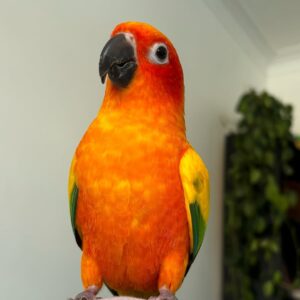
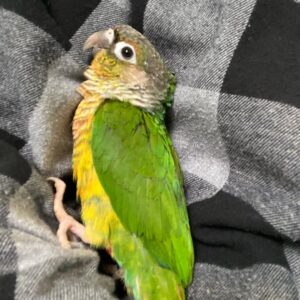
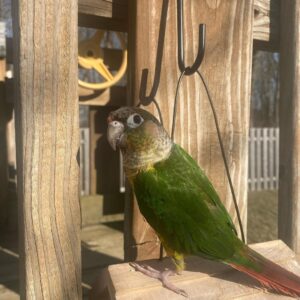
The half moon conure (Aratinga canicularis), also known as the orange-fronted parakeet or Petz’s conure, originates from Central America. With a signature orange patch on the forehead, bright green plumage, and a compact body, it is a striking little parrot with a big heart.
- Origin: Native to Mexico through Costa Rica,inhabiting forest edges and open woodlands.
- Size & appearance: Small-medium conure, around 9 inches from head to tail; vibrant green body, orange forecrown, subtle blue on the head.
- Personality: Curious, playful, and affectionate. Enjoys being near people, exploring toys, and sharing daily routines.
- Intelligence: Quick to learn step-up, recall, target training, and foraging games; thrives with mental challenges.
- Temperament: Generally gentle and family-friendly when socialized; may become nippy if overstimulated or under-engaged—consistent handling helps.
- Talking ability: Some individuals mimic words and household sounds; vocal talent varies by bird and is never guaranteed.
- Noise level: Moderate for a conure—capable of enthusiastic calls, yet typically quieter than larger conure species.
- Why people love them: Manageable size, endearing personality, expressive eyes, and a playful spirit make them standout companion birds.
Care Guide
Diet
Feed a balanced, species-appropriate diet to support vibrant feathers, steady energy, and long-term health.
- High-quality pellets as the diet base (about 60–70%).
- Daily fresh vegetables and leafy greens: dark leafy greens, carrots, broccoli, bell pepper, squash, herbs.
- Fruits in moderation for variety and enrichment: berries, apple (no seeds), papaya, mango.
- Seeds and nuts as training treats, not a staple.
- Fresh, clean water available at all times.
- Avoid toxic foods: avocado, chocolate, caffeine, alcohol, onion, garlic, and high-salt or high-sugar items.
Cage Requirements & Cage Size
Provide generous space to encourage climbing, flapping, and natural movement.
- Minimum recommended cage size: approx. 24″ W x 24″ D x 24″ H, with 1/2″–5/8″ bar spacing; bigger is better.
- Horizontal bars promote climbing and exercise.
- Multiple natural wood perches of varied diameters to promote foot health; add a rope or platform perch for comfort.
- Place food/water dishes away from play areas to reduce contamination.
Exercise & Out-of-Cage Time
Half moon conures are active and benefit from daily flight or supervised playtime.
- Offer 2–4 hours of supervised out-of-cage time each day.
- Provide a play stand or gym with ladders, swings, and foraging stations.
- Rotate safe toys weekly to keep curiosity and problem-solving high.
Mental Stimulation & Enrichment
Intelligent companion birds need consistent mental engagement to stay happy and confident.
- Foraging toys and puzzles to encourage natural food-seeking behavior.
- Chewable toys (palm, balsa, cork) for beak health and enrichment.
- Sound toys or bells in moderation; rotate to avoid overstimulation.
- Daily training sessions (5–10 minutes) using positive reinforcement.
Grooming
- Regular bathing: offer a shallow dish, shower perch, or gentle mist 2–4 times weekly.
- Nail trims as needed; beak and feather condition monitored during routine vet visits.
- Wing clipping is a personal choice; discuss with an avian professional to match your home setup and safety needs.
Lifespan & Wellness
With proper avian care, a half moon conure may live 20+ years. Establish a relationship with an avian veterinarian for annual wellness checks and prompt attention to any concerns.
- Ensure 10–12 hours of uninterrupted sleep nightly in a quiet, darkened space.
- Maintain stable temperatures and avoid drafts, fumes, and smoke.
- Monitor weight and appetite; note changes in droppings, breathing, or behavior.
- Quarantine new birds if you already have parrots at home.
Training & Socialization
This species responds beautifully to kind, consistent handling. Build trust with calm interactions, predictable routines, and plenty of praise.
- Positive reinforcement: Use small, healthy treats and verbal praise. Reward desired behaviors like step-up, target touch, and recall.
- Short, daily sessions: 5–10 minutes, 1–3 times a day. End on a success to keep momentum strong.
- Socialization: Introduce safe family members, gentle handling, and common household sounds. Avoid overwhelming your bird; slow and steady wins.
- Problem prevention: Teach “gentle beak,” redirect nibbles to toys, and provide chewing outlets to curb boredom and nippiness.
- Confidence building: Offer perches of different textures and heights, foraging tasks, and simple flight recalls (if fully flighted and safe).
Why This Bird Makes a Great Pet
The half moon conure combines beauty, brains, and a wonderfully social temperament. Many keepers adore their expressive eyes, playful antics, and eagerness to be part of the family routine. With a manageable size, moderate vocalization, and eagerness to learn, this pet bird fits a variety of households that can provide daily attention and enrichment.
Expect a deep bond built through trust, laughter, and shared experiences over many years. Your bird will thrive on interaction—sitting with you while you read, exploring toys at your desk, or practicing new cues during short training breaks. This is a long-term companion bird whose personality blossoms with gentle guidance and love.
Frequently Asked Questions About the Half Moon Conure
Is the half moon conure a good pet for beginners?
Yes—when the adopter is prepared to provide daily interaction, a balanced diet, proper cage size, and consistent training. Their small size and friendly nature can make them suitable for attentive first-time owners. We provide guidance to help you start strong.
What is the typical lifespan?
With excellent avian care, a half moon conure may live 20 years or more. Annual wellness exams, proper nutrition, enrichment, and a safe home environment all support longevity.
How loud are they compared to other conures?
They have a moderate voice and can make excited calls, but many guardians find them quieter than larger conure species. Good enrichment and routine help minimize attention-seeking noise.
Can the half moon conure talk?
Some individuals learn words or mimic household sounds, though talking ability varies. It’s best to adopt for companionship first and consider speech a possible bonus.
What should I feed my bird daily?
Offer a pellet-based diet with fresh vegetables and leafy greens every day, small amounts of fruit for variety, and seeds or nuts as training treats. Provide clean water at all times.
What cage size do you recommend?
A minimum of around 24″ x 24″ x 24″ with 1/2″–5/8″ bar spacing works for this species; larger is always better. Include varied perches, foraging toys, and safe chew items.
How much time out of the cage is needed?
Plan for 2–4 hours of supervised out-of-cage time daily. Short, frequent training and play sessions are ideal to keep your bird engaged and bonded.
Are your birds vet-checked and DNA tested?
Yes. Our birds are vet-checked by an avian veterinarian, and DNA sexing is available upon request. Health records accompany your adoption.
How does adoption or reservation work?
You can reserve with a deposit to hold your bird. When ready, schedule local pickup or discuss safe transport options. Click the “Adopt Me” button to begin and we’ll guide you through each step.
What temperament should I expect?
Well-socialized half moon conures are affectionate, curious, and playful. Like all parrots, they need routine, positive training, and enrichment to maintain confident, gentle behavior.
Conclusion
Ready to welcome a bright, affectionate parrot into your life? Our hand-raised half moon conure offers everything you love in a companion bird—intelligence, personality, and a heartwarming bond that grows each day. Click “Adopt Me” to reserve yours, and let our experienced breeder team support you with setup, diet, training, and lifelong care so you and your new friend can flourish together. Your perfect half moon conure may be just a click away.
| Sex | Male, Female |
|---|
Be the first to review “Half Moon Conure”
Related products
Conure for sale
Reviews
There are no reviews yet.