
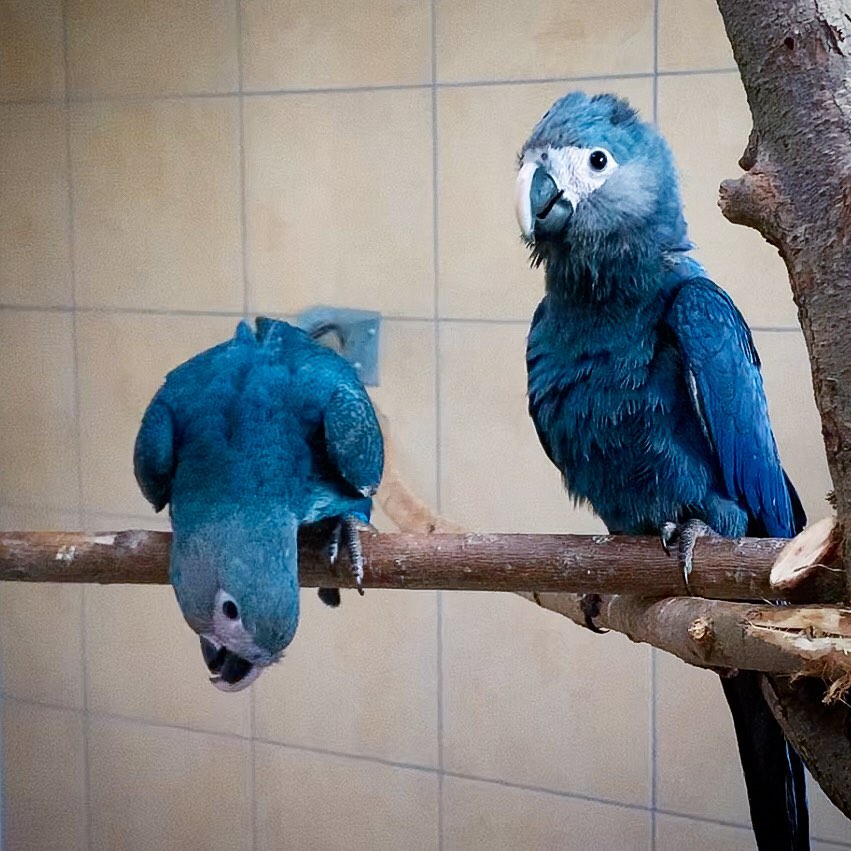
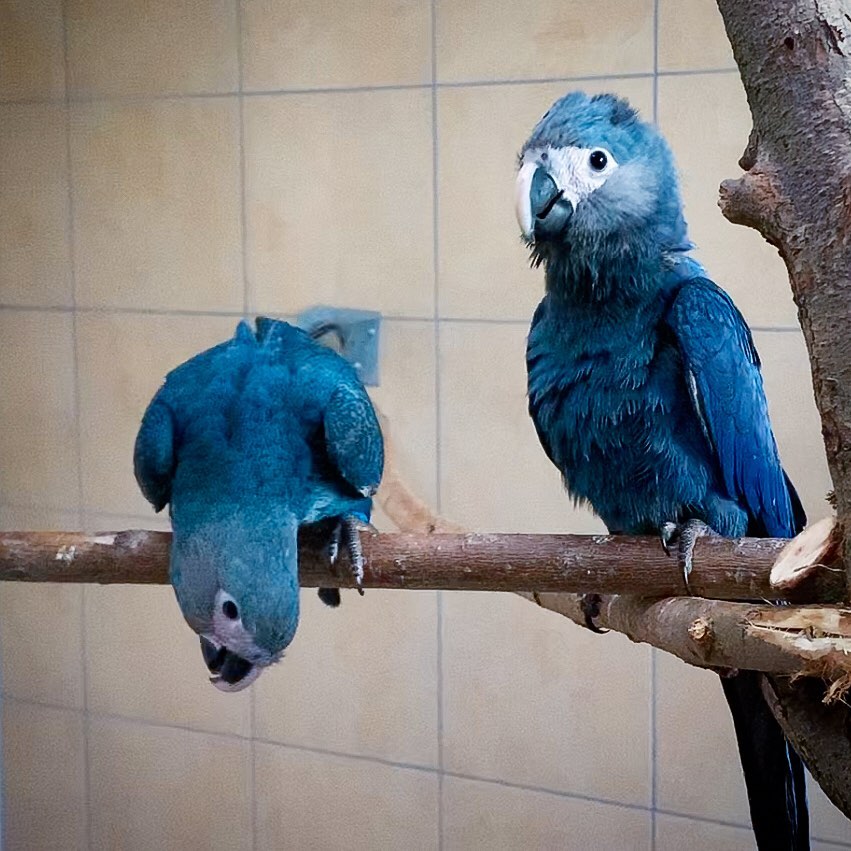
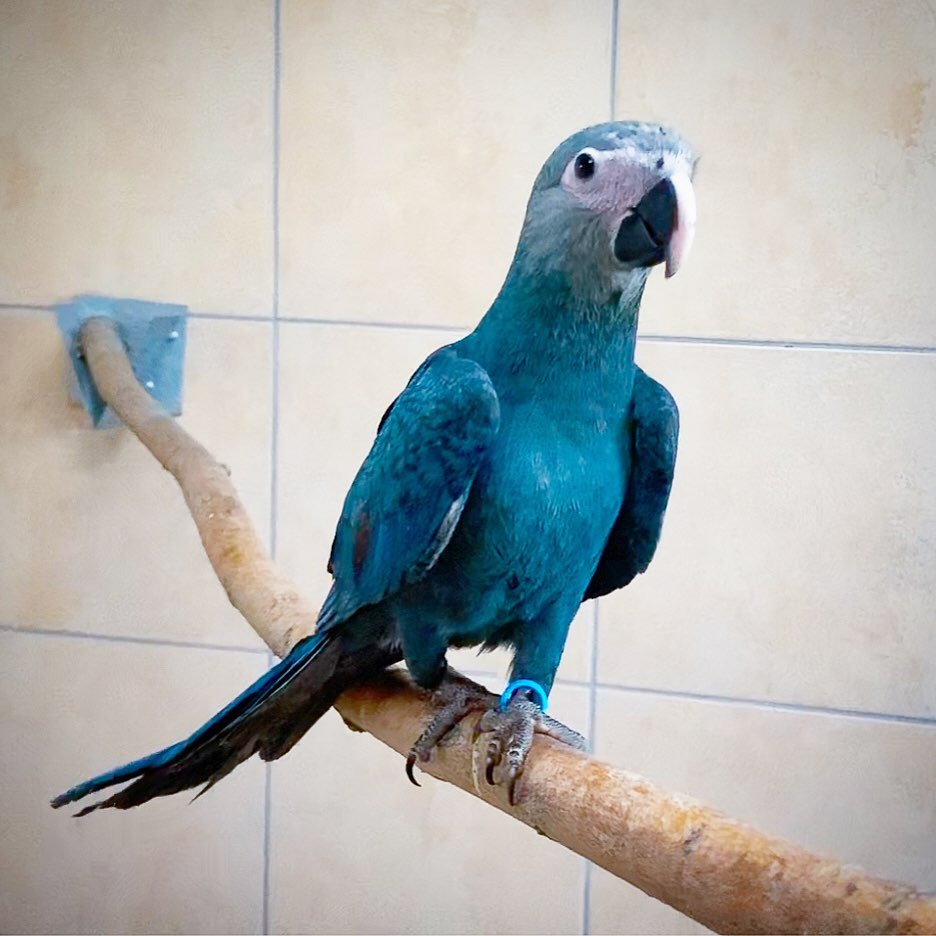
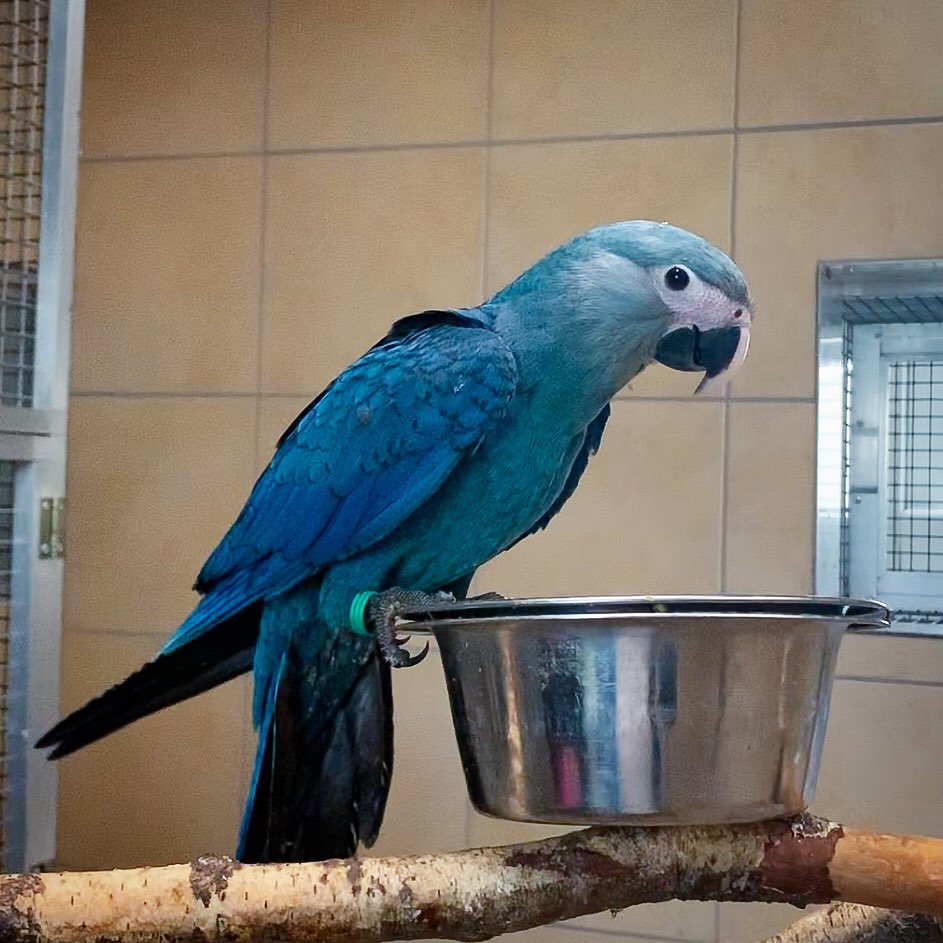
Spix Macaw For Sale
- Sex: Male & Female Available
- Age: 7- 8 Months
- DNA Sexed: Yes
- Hand Fed: Yes
- Hand Raised: Yes
- Fully Weaned: Yes
- Tamed: Yes
- Socialized: Yes
- Talking Ability: Learns Words & Sounds
- Health Status: Healthy & Active
- Veterinary Checked: Yes
- Availability: Available
$40,000.00
Spix Macaw for Sale: Responsible Adoption, Care Guide, and Conservation Info
If you’re searching for “spix macaw for sale,” you likely admire one of the world’s most enchanting blue parrots. The Spix’s Macaw is a symbol of beauty, intelligence, and hope—yet it is also one of the rarest birds on Earth and protected by strict international laws. On this page, we explain what is legally possible, how conservation programs work, and how we responsibly match families with wonderful, legally adoptable companion birds that share many of the same traits. We are a professional breeder and adoption center dedicated to ethical avian care, education, and lifelong support.
Why Choose Our Spix Macaw for Sale Approach
We value transparency and conservation. While the phrase “spix macaw for sale” is commonly searched, legitimate private ownership is generally not available. Spix’s Macaws are protected by international regulations; transfers occur primarily between accredited institutions and conservation partners. We do not sell Spix’s Macaws to the general public. Instead, we:
- Support conservation: We follow current science and partner with reputable organizations that prioritize the long-term survival of the species.
- Offer legal, hand-raised companion birds: We ethically breed and place family-friendly, legally adoptable macaws and other parrots with outstanding temperaments.
- Provide health guarantees: Our adoptable birds are vet-checked, disease-screened, and DNA-sexed when applicable, with written health records.
- Prioritize socialization: Babies are hand-raised in a clean, enriched environment and exposed to household sights and sounds for confident transitions.
- Deliver lifetime support: New families receive detailed care guides, setup checklists, and ongoing training help from our avian care team.
- Ensure ethical placement: We use a thoughtful adoption process to match the right pet bird with the right home.
If your heart is set on the Spix’s Macaw, we’ll guide you with accurate information—and, for most families, introduce you to similar, legally adoptable blue macaws and companion birds that are perfect for a loving home.
About the Bird Breed
Origin: The Spix’s Macaw (Cyanopsitta spixii) is native to Brazil’s Caatinga region. Due to habitat loss and other pressures, it became functionally extinct in the wild for many years, with carefully managed reintroduction efforts now underway.
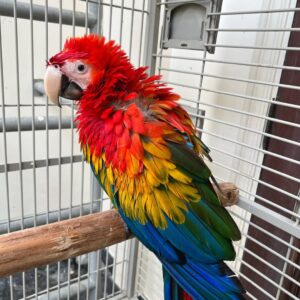
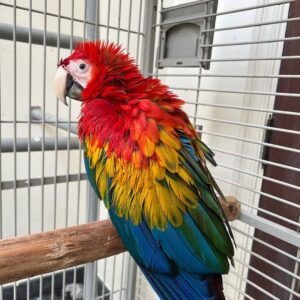
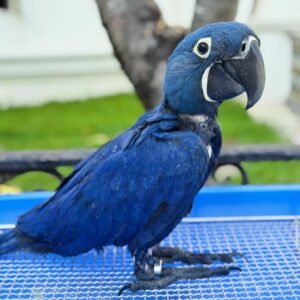
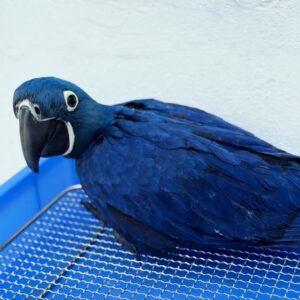
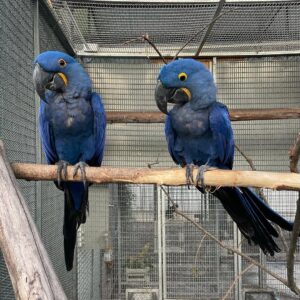
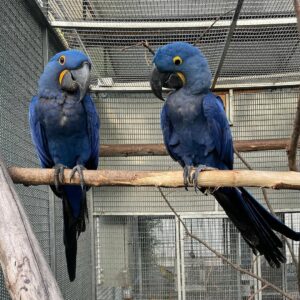
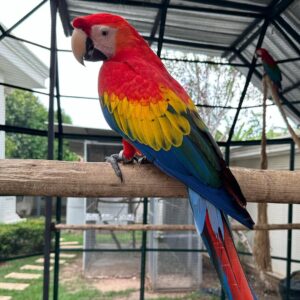
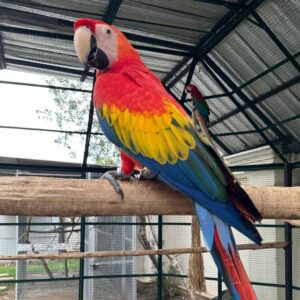
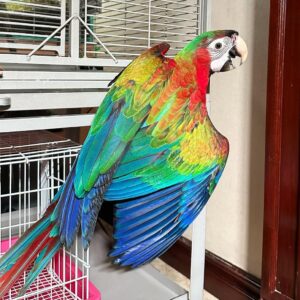
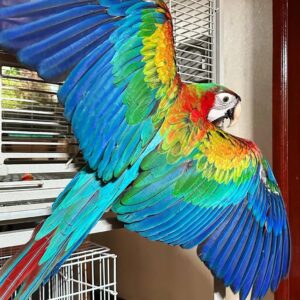
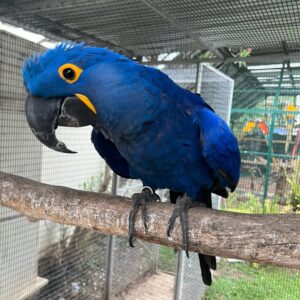
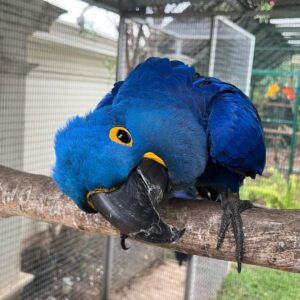
Appearance & size: A luminous spectrum of soft to vivid blues with a distinctive pale face and elegant tail. Considered a small to mid-sized macaw, its graceful build and rich coloration have inspired conservation around the world.
Intelligence: Like many parrots, Spix’s Macaws are curious, clever, and highly interactive. They benefit from daily enrichment, training, and meaningful social time.
Temperament: Intelligent and observant, with the sensitivity typical of macaws. They form strong bonds and thrive with consistent routines, positive reinforcement, and gentle handling.
Talking ability: Many macaws can mimic sounds and words, though clarity and vocabulary vary by individual. Interactive engagement and patient training can enhance vocal play.
Family compatibility: Macaws do best with dedicated caregivers who understand the time commitment. Families with older, respectful children and a stable schedule often excel. As a critically protected species, the Spix’s Macaw is generally not a household pet; families seeking a similar companion bird can consider other, legally adoptable species with comparable personality and beauty.
Noise level: Macaws are expressive. Expect periods of louder calls, especially morning and evening. Proper enrichment, training, and routine can help manage vocalizations.
Why people love this bird: Striking beauty, remarkable intelligence, and deep capacity for emotional bonding. The story of the Spix’s Macaw has inspired a global conservation movement and a renewed appreciation for responsible aviculture.
Care Guide
While the Spix’s Macaw is not typically available as a pet bird, the following guidelines reflect ethical, high-level macaw care principles that we teach to all adopters of legally adoptable macaws:
Diet
- Base: High-quality formulated pellets designed for macaws.
- Fresh foods: Daily offerings of leafy greens, vegetables (e.g., peppers, carrots, squash), and limited low-sugar fruits.
- Healthy fats: Appropriate nuts and seeds in moderation for training and enrichment.
- Avoid: Avocado, chocolate, alcohol, caffeine, high-salt or sugary foods.
- Water: Fresh, clean water changed at least daily.
Cage Requirements
- Cage size: As spacious as possible for a mid-sized macaw, with room to fully stretch wings and climb. Horizontal bar sections for easy gripping.
- Perches: A variety of diameters and textures (natural wood, rope) to support foot health.
- Toys: Rotating chew toys, foraging puzzles, and safe destructibles to satisfy natural behaviors.
- Placement: Well-lit area away from drafts and kitchen fumes; include a quiet sleep space.
Exercise & Enrichment
- Out-of-cage time: Daily supervised flight or flapping sessions; climbing gyms and play stands are ideal.
- Foraging: Hide treats and pellets in puzzles to encourage natural problem-solving.
- Interaction: Regular training, gentle handling, and family participation to prevent boredom.
Grooming & Health
- Bathing: Misting or showers several times a week as tolerated.
- Nails & beak: Provide perches and chewables that promote natural wear; schedule trims with an avian vet if needed.
- Vet care: Annual wellness exams with an avian veterinarian; maintain records and any DNA sexing results for adoptable birds.
Lifespan
Macaws are long-lived companion birds. With excellent avian care, balanced diet, exercise, and proactive vet support, many live for several decades. Always plan for long-term companionship and care continuity.
Training & Socialization
Macaws are exceptionally trainable. We encourage positive reinforcement techniques that build trust and confidence:
- Step-up/step-down: Establish gentle, consistent cues.
- Target training: Guide movement and focus to reduce stress during handling.
- Recall & stationing: Teach safe, structured movement and calm waiting behaviors.
- Socialization: Daily interaction with household members; controlled introductions to new sights and sounds.
- Enrichment rotation: Regularly switch toys and foraging setups to keep a bright mind engaged.
Our adopters receive step-by-step training guidance and ongoing support to cultivate a trusting bond and a well-adjusted companion bird.
Why This Bird Makes a Great Pet
The Spix’s Macaw captivates the world with its color, grace, and intelligence. While this species itself is rarely, if ever, available for private homes, many macaws and related parrots offer the same core joys: emotional bonding, engaging conversations, and the daily delight of a thinking companion. With consistent socialization, kind training, and an enriched environment, a well-matched, hand-raised macaw becomes an irreplaceable family member—beautiful, brilliant, and full of heart for years to come.
Frequently Asked Questions
Is it legal to buy a spix macaw for sale?
In nearly all cases, no. The Spix’s Macaw is strictly protected; transfers typically occur only between accredited institutions with proper permits. We do not sell Spix’s Macaws to the public.
How much does a Spix’s Macaw cost?
There is no legitimate public market price. Be cautious of any listings claiming otherwise, as they are often scams or illegal offers. Contact us for conservation information and guidance toward legal, adoptable companion birds.
What is the temperament like?
Spix’s Macaws, like many macaws, are intelligent, sensitive, and deeply bonding. For household pets, we carefully match families with legal macaw species that display similarly affectionate, interactive temperaments.
Do Spix’s Macaws talk?
Many macaws can mimic words and household sounds. Individual ability varies. Consistent interaction and positive reinforcement help develop vocal play in companion birds.
What diet is recommended for a macaw?
A balanced pellet base, daily vegetables and leafy greens, some fruit, and controlled portions of nuts and seeds. Clean water daily, and avoid toxic foods like avocado and chocolate.
How long do macaws live?
With excellent avian care and veterinary support, many macaws live for several decades. Adopters should plan for a long-term commitment and provide enrichment throughout the bird’s lifespan.
Are macaws suitable for beginners?
Macaws are best for committed caregivers who can provide daily interaction, training, and enrichment. First-time adopters succeed when they partner with a supportive breeder, follow our care plans, and choose a species that fits their lifestyle.
Can I reserve or adopt a Spix’s Macaw?
No. We do not offer the Spix’s Macaw for private adoption. However, you can reserve or adopt legally available, hand-raised macaws through our program. Use the “Adopt Me” button on available listings or contact us to be guided to the right companion bird.
How do you ensure health and socialization?
All adoptable birds from our facility are hand-raised in a clean, nurturing environment, vet-checked, disease-screened, and socialized with daily handling. We include DNA sexing when applicable, plus comprehensive care support before and after adoption.
Conclusion
We understand why so many people search for “spix macaw for sale”—this species has captured hearts worldwide. While we cannot place Spix’s Macaws in private homes, we are proud to advance conservation education and to connect families with extraordinary, legally adoptable macaws that embody the same beauty, intelligence, and companionship. Ready to meet your new best friend? Explore our current listings and click “Adopt Me,” or contact our avian care team for personalized guidance. If you’re inspired by the Spix’s story, we’ll help you honor it—ethically, responsibly, and with a companion bird you’ll cherish for years.
| Sex | Male, Female |
|---|
Be the first to review “Spix Macaw For Sale”
Related products
Macaw for sale


Reviews
There are no reviews yet.