
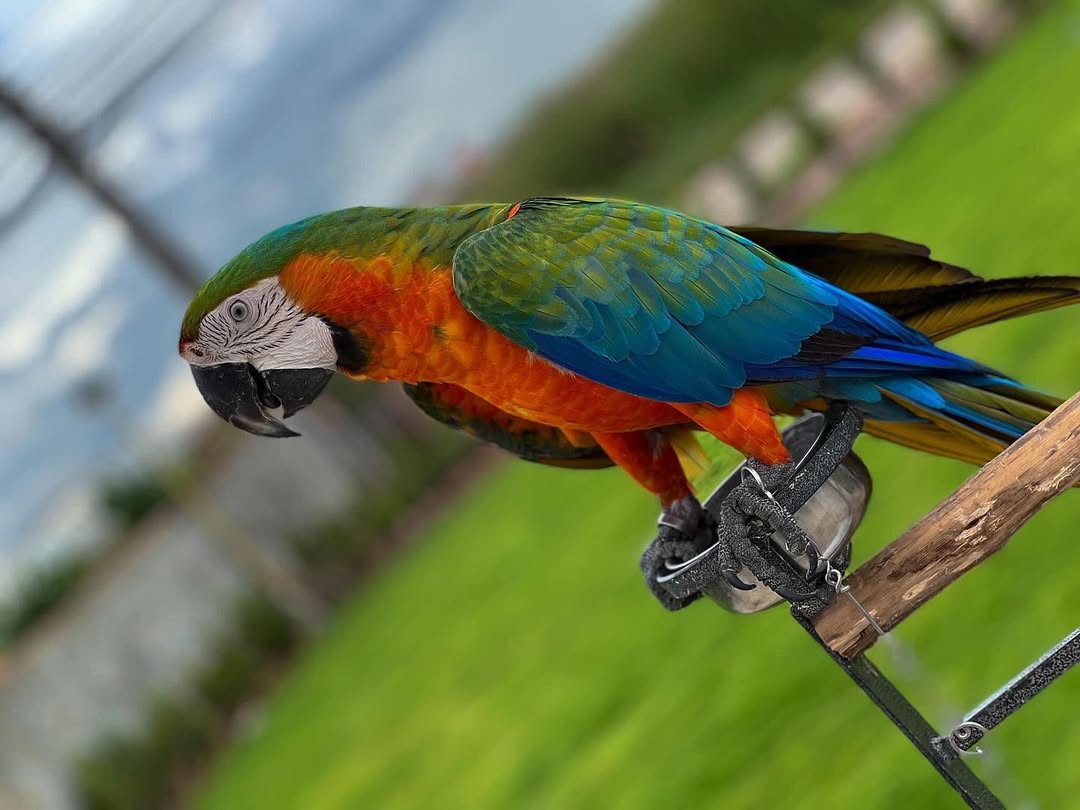
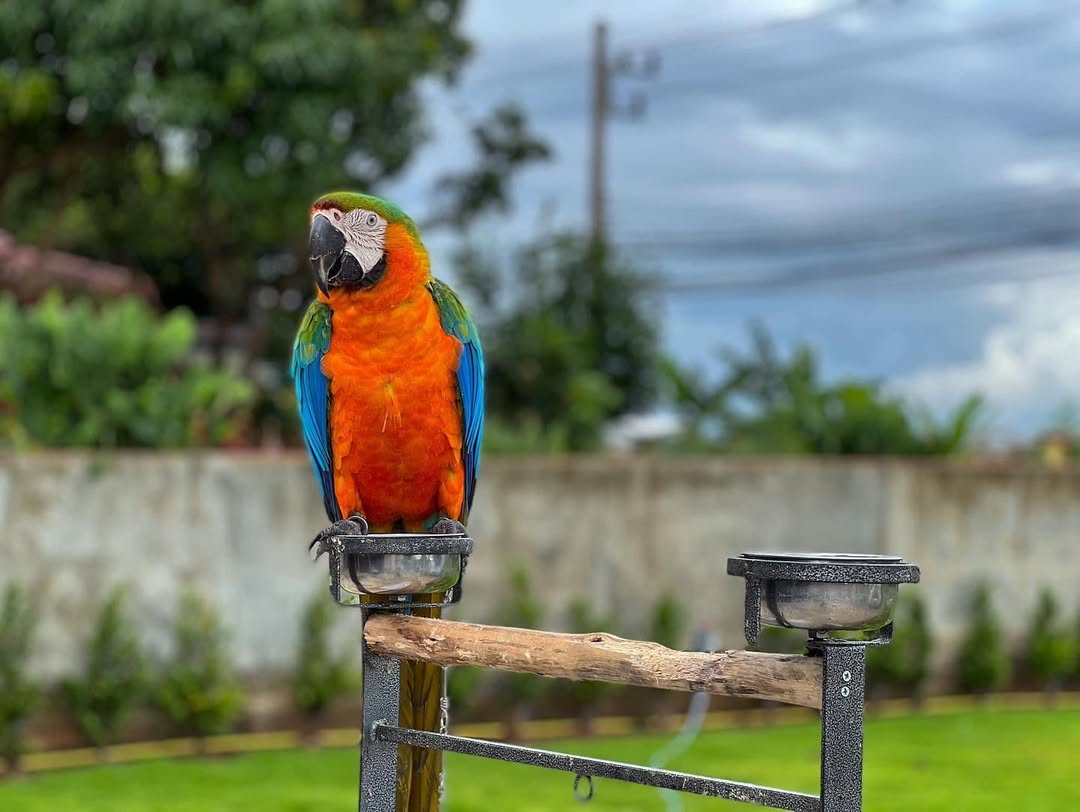
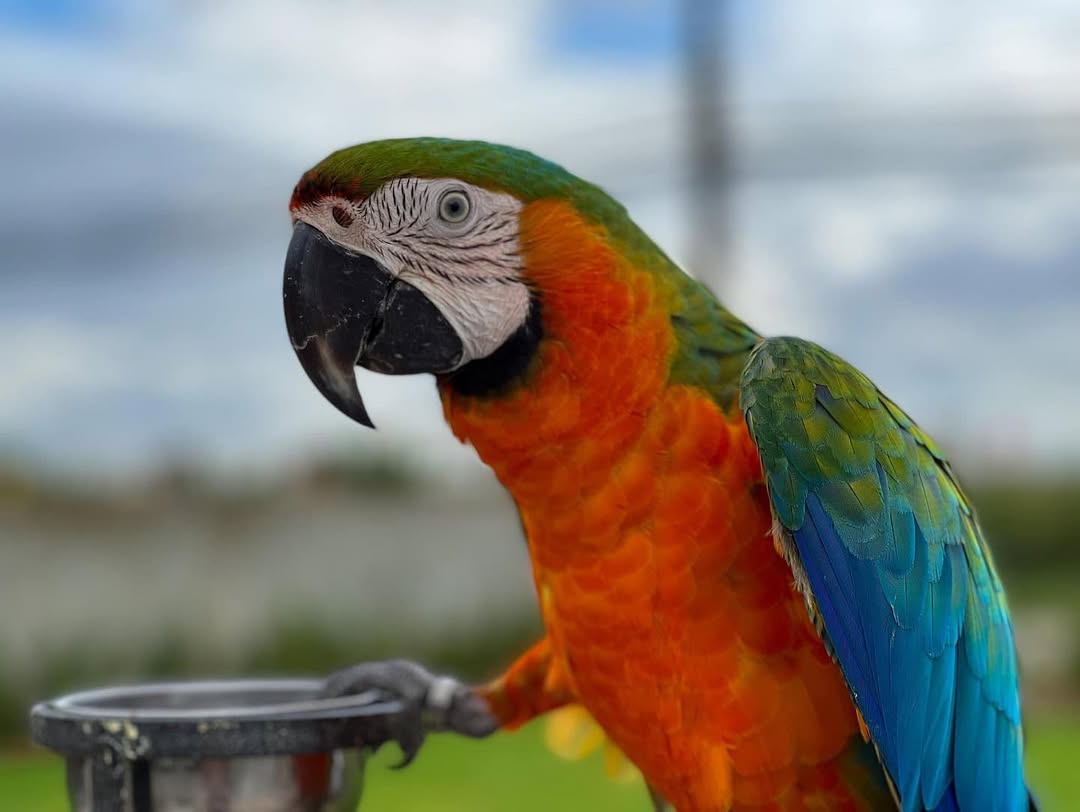
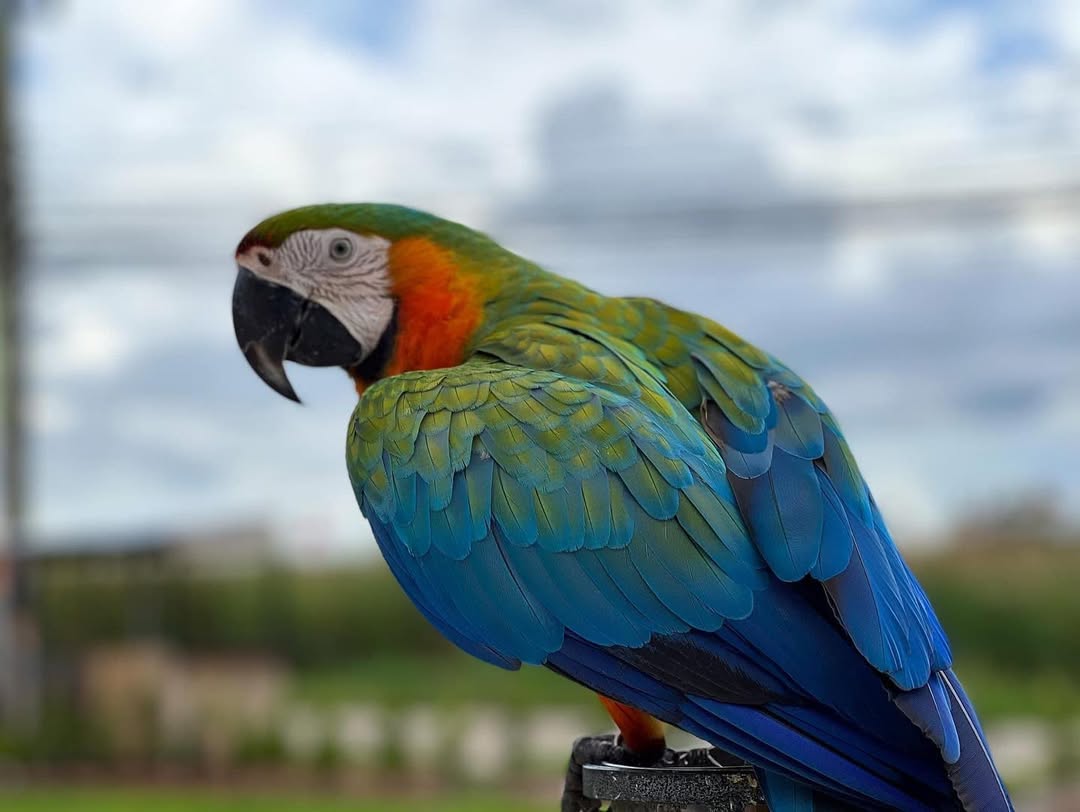
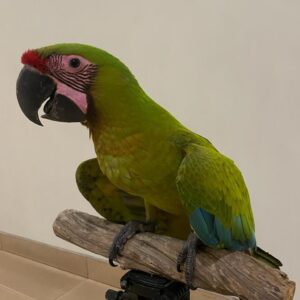
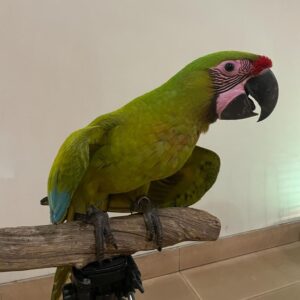
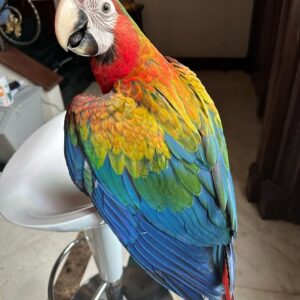
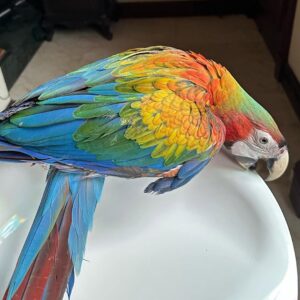
Catalina Macaw For Sale
- Name: Kody
- Sex: Male
- Age: 7 Months
- DNA Sexed: Yes
- Hand Fed: Yes
- Hand Raised: Yes
- Fully Weaned: Yes
- Tamed: Yes
- Socialized: Yes
- Talking Ability: Learns Words & Sounds
- Health Status: Healthy & Active
- Veterinary Checked: Yes
- Availability: Available
$5,000.00
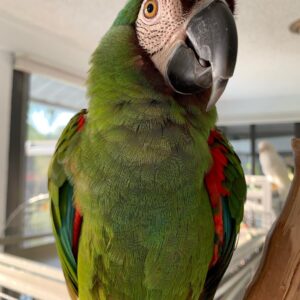
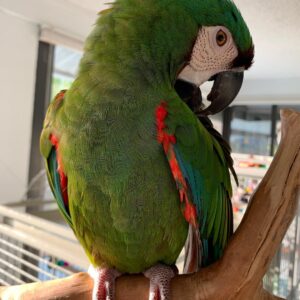
Catalina Macaw for Sale – Hand-Raised, Socialized, and Ready to Join Your Flock
If you’re searching for a catalina macaw for sale from a trusted breeder, welcome—you’re in the right place. This breathtaking hybrid macaw combines the best traits of the Blue-and-Gold and Scarlet Macaw, offering dazzling colors, keen intelligence, and a larger-than-life personality. Our hand-raised companion birds are nurtured for a loving disposition, making them a wonderful match for dedicated adopters who want a vibrant, interactive family member.
From early socialization to personalized avian care guidance, we prepare each macaw for a smooth transition into a new home. Whether you’re a seasoned parrot parent or a serious first-time adopter ready to learn, our team supports you at every step—before, during, and after adoption.
Why Choose Our Catalina Macaw for Sale
We raise every macaw with meticulous attention so you can adopt with confidence. Here’s what sets our birds apart:
- Hand-raised & human-socialized: Gentle handling from an early age fosters trust, confidence, and a friendly companion bird.
- Vet-checked health: Each bird is examined by our avian veterinarian. Health records are provided at adoption.
- DNA sexing available: We can arrange DNA sexing upon request so you know your bird’s sex with certainty.
- Clean, enriched environment: Raised in a hygienic, stimulating nursery with age-appropriate toys, perches, and training.
- Balanced diet foundation: We wean onto a premium pellet base, fresh veggies, fruits, and appropriate nuts for long-term wellness.
- Positive early training: Step-up, gentle handling, and basic social skills to ease the first weeks at home.
- Lifetime breeder support: Ongoing advice for diet, cage size, training, enrichment, and avian care—whenever you need it.
- Adoption-ready: Eligible birds may be reserved with a deposit and adopted through our secure “Adopt Me” process.
About the Bird Breed
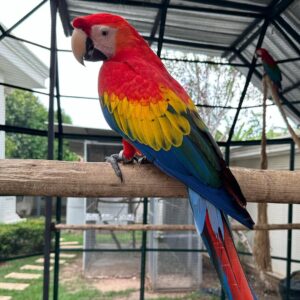
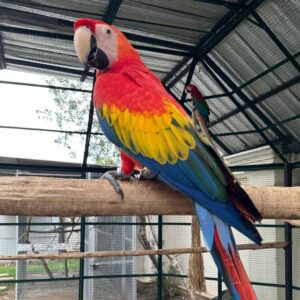
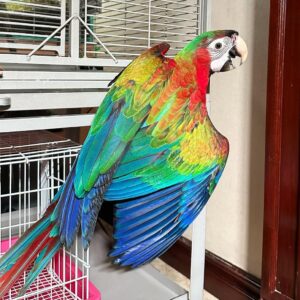
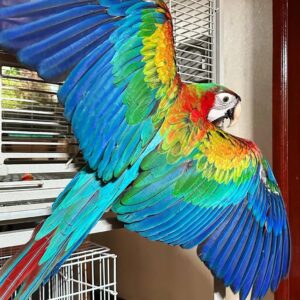
The Catalina Macaw is a hybrid cross between the Scarlet Macaw and the Blue-and-Gold Macaw. This pairing often produces stunning birds with fiery reds and oranges blending into brilliant greens and blues—no two look exactly the same. While hybrids don’t occur naturally in the wild, they inherit the intelligence and character of their parent species, often resulting in a vibrant, people-oriented pet bird.
Personality & Intelligence: Catalinas are smart, curious, and eager to engage. They bond strongly with their people and love to be part of daily life. Their intelligence makes them fast learners but also means they need consistent mental stimulation.
Temperament: Expect an affectionate yet confident macaw with a playful, sometimes cheeky streak. With proper socialization and training, Catalinas are loving companions. As with all large macaws, they can be strong-willed; clear boundaries and positive routines help them thrive.
Talking Ability: Many Catalina Macaws develop a good vocabulary, clear mimicry, and expressive chatter. While individual results vary, they commonly learn phrases, sounds, and household words with regular interaction and positive reinforcement.
Family Compatibility: With experienced or well-coached adopters, a Catalina can be a superb family-friendly pet bird. We recommend supervised interactions with children and consistent training to maintain good manners.
Noise Level: As large macaws, Catalinas have powerful voices. They typically vocalize at dawn and dusk. They may not be suitable for apartments or noise-sensitive environments.
Size & Appearance: This is a large macaw with a long tail and broad wingspan. Expect a commanding presence and radiant plumage that turns heads wherever you go.
Care Guide
Caring for a Catalina Macaw is deeply rewarding—and a long-term commitment. Here’s what to plan for:
Diet
- Base diet: High-quality formulated pellets (60–70% of the diet).
- Fresh foods: Daily dark leafy greens, colorful vegetables, and limited fruit for vitamins and enrichment.
- Healthy fats: Species-appropriate nuts (e.g., almonds, walnuts) offered sparingly as training rewards.
- Avoid: Avocado, chocolate, caffeine, alcohol, onion, garlic, and high-salt or high-sugar foods.
- Hydration: Fresh, clean water available at all times; bowls cleaned daily.
Cage Requirements
- Cage size: For a large macaw, we recommend a minimum of approximately 40″ W x 30″ D x 60″ H with 1–1.5″ bar spacing.
- Perches: A variety of natural wood diameters to promote foot health; add a pedi-perch for nail maintenance.
- Play space: A sturdy playtop cage or separate play stand for daily activities outside the cage.
- Safety: Secure locks (macaws are clever!), stainless or powder-coated finishes, and bird-safe materials only.
Exercise & Enrichment
- Out-of-cage time: Aim for 3–4 hours per day of supervised exercise and interaction.
- Toys: Rotate a mix of foraging, shredding, puzzle, and chew toys weekly to prevent boredom.
- Mental stimulation: Training sessions, foraging challenges, and household participation keep your macaw engaged.
Grooming
- Bathing: Offer showers or misting several times per week to keep feathers healthy.
- Nails & beak: Routine trims by an avian vet or experienced groomer as needed.
- Wings: Clip or keep flighted based on your training goals and safety; consult your avian veterinarian.
Lifespan & Commitment
- Lifespan: With excellent care, many large macaws live 40–60+ years.
- Daily care: Expect multiple short interactions, feeding, spot-cleaning, toy swaps, and training each day.
- Environment: Provide a stable routine, natural light cycles, and a calm sleeping space (10–12 hours of rest).
Training & Socialization
Catalina Macaws are highly trainable and respond beautifully to positive reinforcement. Short, upbeat sessions build trust, keep learning fun, and help channel their impressive energy.
- Bonding basics: Gentle step-up practice, reward-based handling, and calm introductions to family members.
- Core skills: Step-up/step-down, target training, recall, and stationing to a perch for cooperative care.
- Manners: Reinforce quiet moments, appropriate play, and beak pressure control to prevent nips.
- Harness & travel: With patient conditioning, many macaws learn harness use and carrier comfort for safe outings.
- Consistency: A predictable routine and daily interaction are key for a confident, well-adjusted bird.
Why This Bird Makes a Great Pet
Few companions match a Catalina Macaw’s blend of beauty, brains, and heart. They thrive on partnership, learn quickly, and love to share in everyday life—from morning greetings to training games in the evening. With proper socialization and avian care, they become deeply bonded, expressive companions who reward your commitment with affection, laughter, and years of colorful company.
If you’re drawn to an intelligent, interactive pet bird and you’re ready to provide space, time, and enrichment, a Catalina Macaw can be an extraordinary addition to your home.
Frequently Asked Questions
Do you have a catalina macaw for sale right now?
Availability changes frequently. Click “Adopt Me” to see current status or contact us to join the waiting list. Qualified adopters can reserve with a deposit when a bird is ready.
What health checks are included with adoption?
Each bird receives an exam by our avian veterinarian before going home. DNA sexing and disease screening can be arranged upon request. You’ll receive health records and ongoing support.
What should a Catalina Macaw eat?
We recommend a pellet-based diet supplemented with fresh vegetables, leafy greens, limited fruit, and species-appropriate nuts. Avoid avocado, chocolate, caffeine, alcohol, and salty or sugary foods.
How long do Catalina Macaws live?
With excellent nutrition, enrichment, and regular vet care, many large macaws live 40–60+ years. Adopting is a long-term commitment.
Are Catalina Macaws good talkers?
Many Catalinas learn words and phrases and can be clear mimics. Talking ability varies by individual and improves with daily training and interaction.
What is their temperament like?
Affectionate, bold, and playful. They bond closely with their families and benefit from clear boundaries, regular training, and daily socialization to keep behaviors positive.
Are they suitable for beginners?
They can be suitable for committed first-time adopters who are ready to learn, but large macaws are best for adopters who can provide ample time, space, structure, and ongoing training. We provide guidance to help you succeed.
How big should the cage be?
For a large macaw, plan on a spacious cage—around 40″ W x 30″ D x 60″ H minimum—with 1–1.5″ bar spacing, plus a separate play stand and daily out-of-cage time.
How loud are Catalina Macaws?
They have strong voices and can be loud, especially at sunrise and sunset. They are not ideal for apartments or noise-sensitive homes.
What’s included when I adopt?
You’ll receive health documentation, a transition diet, care instructions, and lifetime breeder support for training and avian care questions. Starter kits and cages are available in-store.
Can you ship or deliver my bird?
We offer in-store pickup and, where permitted, can help coordinate specialized transport through trusted carriers. Contact us to discuss safe options for your location.
Conclusion
A Catalina Macaw is more than a pet—it’s a brilliant, curious partner who will share life’s moments for decades. If you’re ready to welcome a highly social, intelligent companion bird and provide the time, enrichment, and love they deserve, click “Adopt Me” to check availability or reserve your macaw. Your hand-raised catalina macaw for sale awaits—vibrant, vetted, and prepared to thrive in a caring home.
Be the first to review “Catalina Macaw For Sale”
Related products
Macaw for sale
Reviews
There are no reviews yet.