
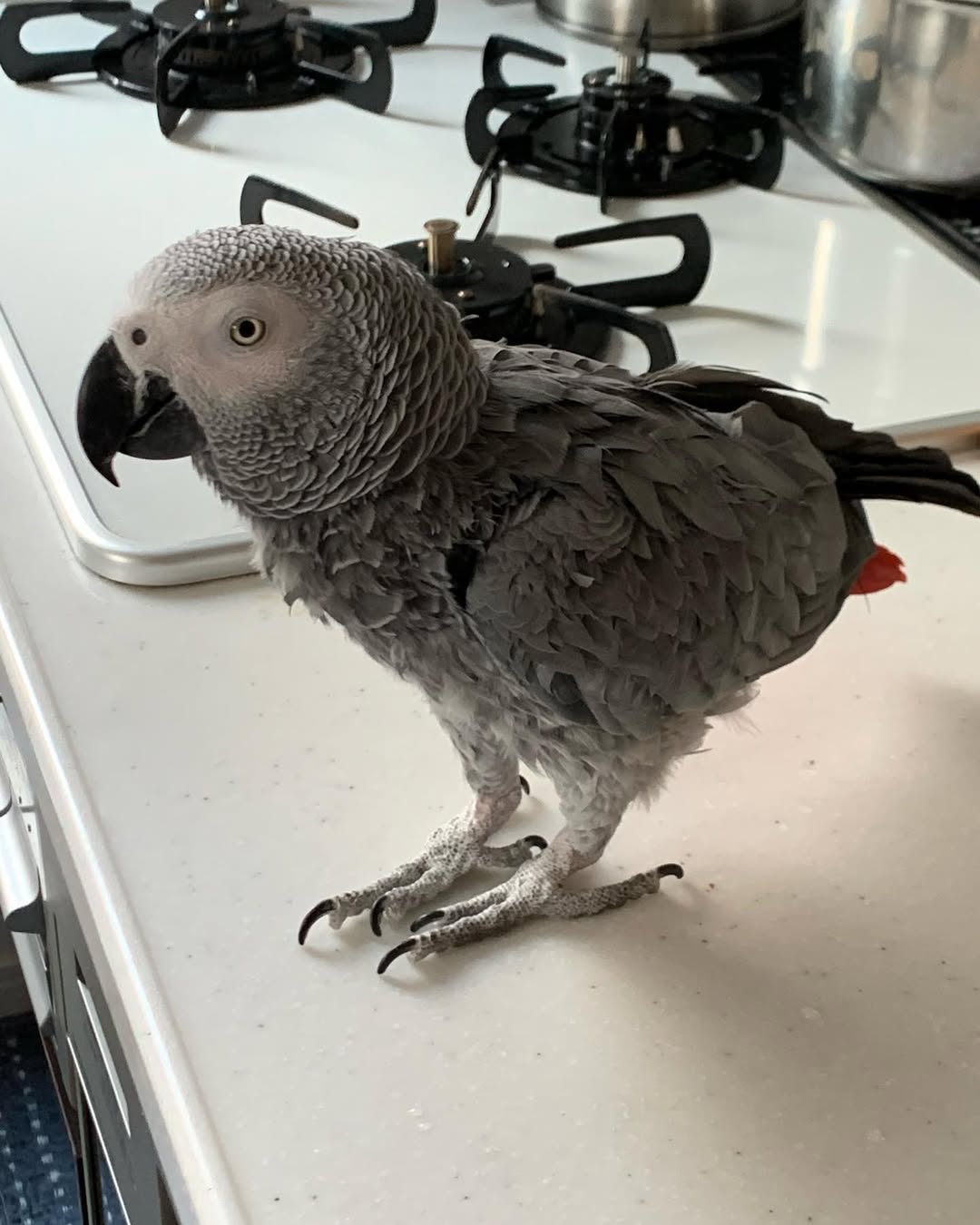
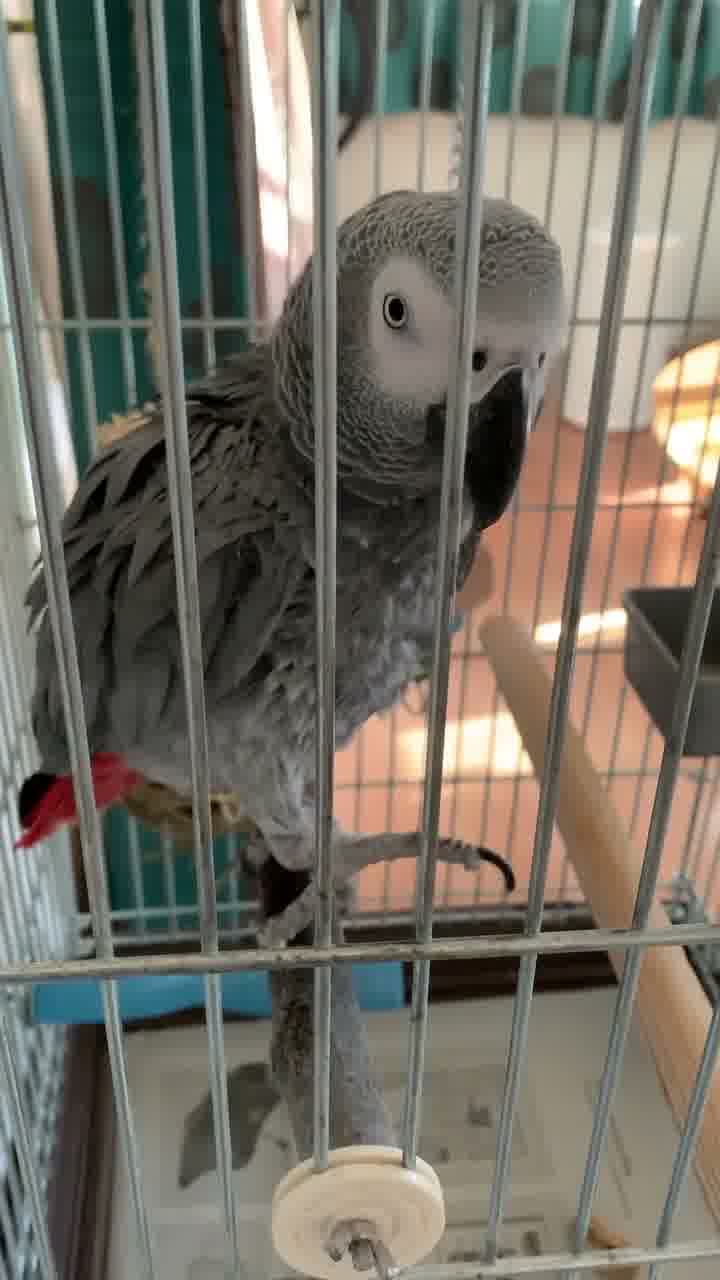
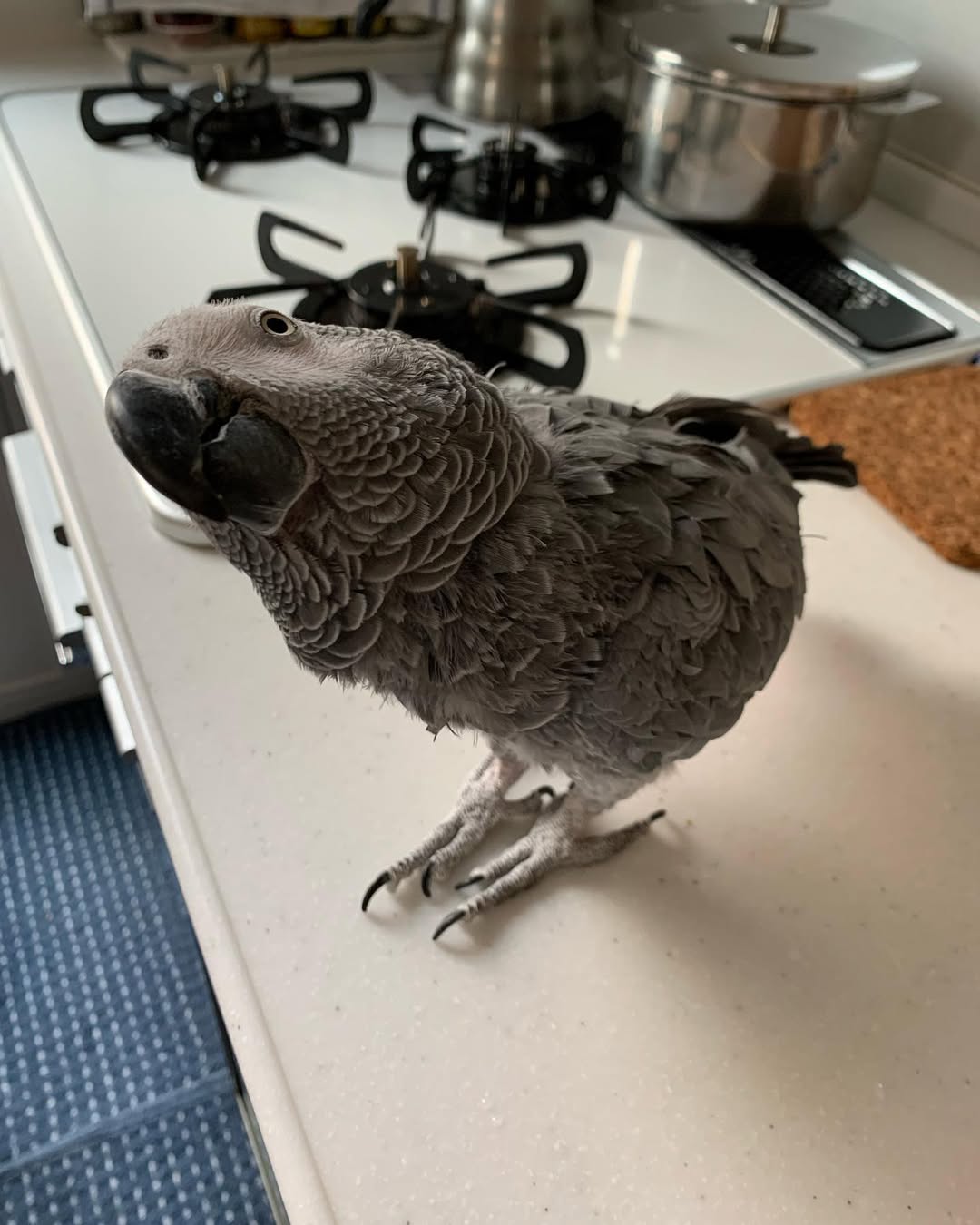
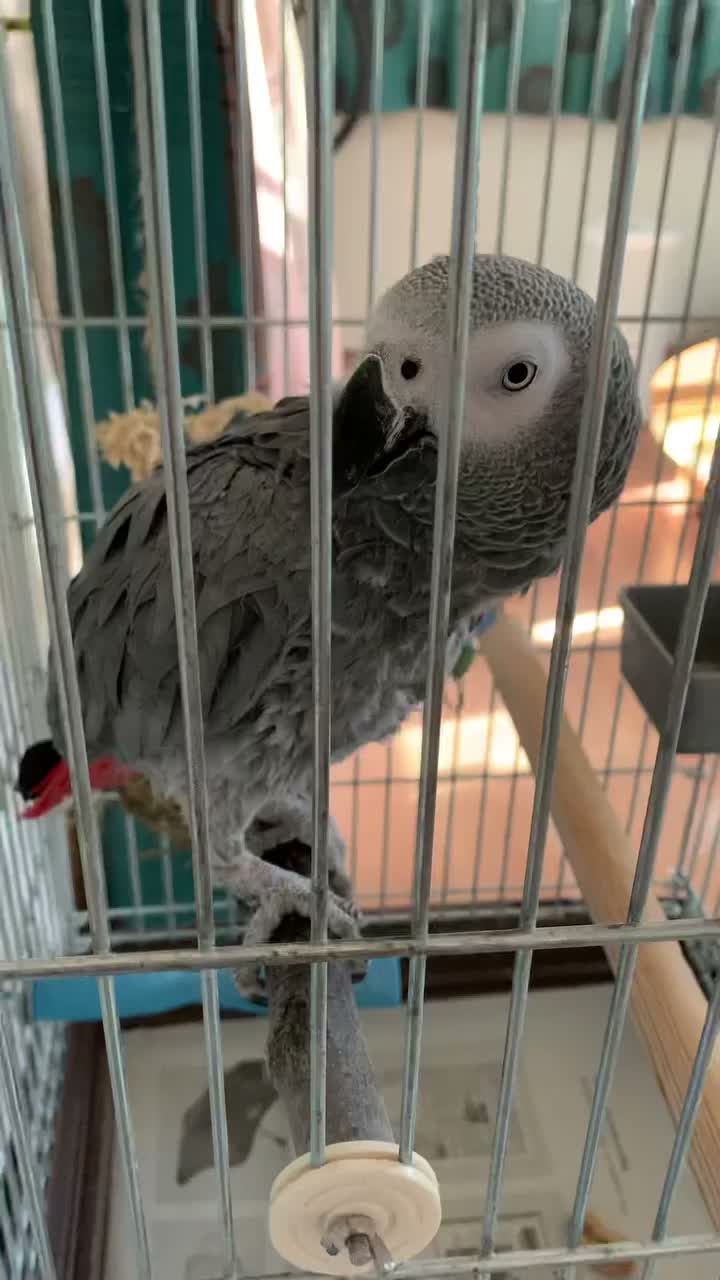
African Grey Parrots Sale
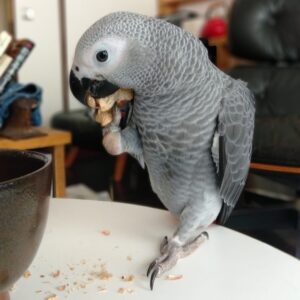
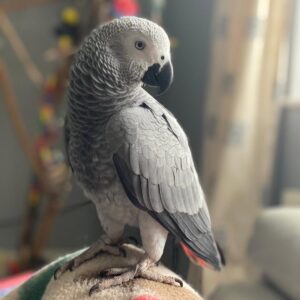
- Name: Willow
- Sex: Female
- Age: 1 year
- DNA Sexed: Yes
- Hand Fed: Yes
- Hand Raised: Yes
- Fully Weaned: Yes
- Tamed: Yes
- Socialized: Yes
- Talking Ability: Excellent Mimicking Ability
- Health Status: Healthy & Active
- Veterinary Checked: Yes
- Availability: Available
$1,000.00
African Grey Parrots Sale – Hand-Raised, Vet-Checked Companions Ready to Adopt
Welcome to our african grey parrots sale listing—your trusted source for extraordinary companion birds raised with love, expertise, and ethical care. If you are searching for a pet bird that blends remarkable intelligence, gentle temperament, and world-class talking ability, the African Grey stands in a league of its own. Our carefully socialized parrots are hand-raised by an experienced breeder, making them confident, affectionate, and well-prepared for their new families.
Each parrot in our program receives intentional daily interaction, top-quality nutrition, and professional avian care. Whether you’re a dedicated bird enthusiast or a first-time adopter ready to learn, we’re here to guide you through every step—from initial inquiry to lifelong support.
Why Choose Our African Grey Parrots for Sale
We believe the difference is in the details. Our African Greys are raised for health, temperament, and easy transition into your home.
- Hand-raised from the nest: Early nurturing ensures a gentle, people-focused companion bird.
- Friendly, well-socialized personalities: Daily handling and positive experiences create confident, family-friendly pets.
- Health-first program: Avian vet-checked prior to adoption, with meticulous records and transparent care history.
- DNA sexing available: Know your bird’s sex for better name selection, pairing decisions, and long-term planning.
- Clean, enrichment-rich environment: Raised in a quiet, hygienic aviary with foraging, toys, and gentle routines.
- Weaned onto a balanced diet: Pellets, vegetables, and healthy treats to promote robust growth and feather quality.
- Stress-reduced transition: Travel crate acclimation, basic step-up training, and familiar toys help ease settling into your home.
- Ethical breeder support: Ongoing care guidance, nutrition tips, and training help for the life of your bird.
Availability: Limited, as we focus on quality over quantity. Reserve early via the “Adopt Me” button to secure your spot in the next hatch or to meet current juveniles.
About the Bird Breed
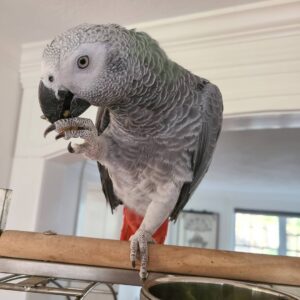
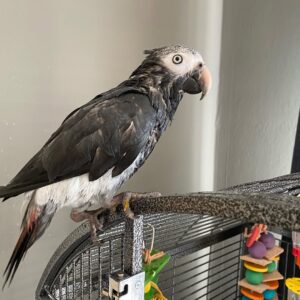
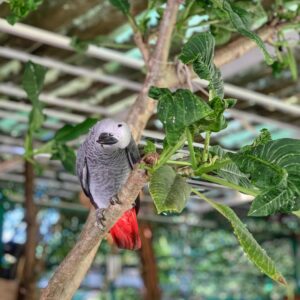
The African Grey parrot is widely celebrated as one of the most intelligent birds on earth. Two closely related types are commonly kept as pets: the larger Congo African Grey (Psittacus erithacus) with a bright red tail, and the slightly smaller Timneh African Grey (Psittacus timneh) with a maroon tail. Availability may vary; ask us about current offerings.
Origin: Native to the rainforests of West and Central Africa, African Greys thrive on mental stimulation, social interaction, and environmental variety—traits we replicate in our enrichment-focused aviary.
Personality & Temperament: Sensitive, observant, and deeply bonded to their people, African Greys are affectionate companion birds that appreciate gentle handling and predictable routines. With proper socialization, they can be family-friendly, though supervision with young children is recommended due to their size and sensitivity.
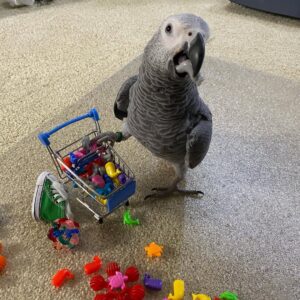
Intelligence & Talking Ability: Famous for advanced talking ability and mimicry, African Greys often learn large vocabularies and understand context surprisingly well. They enjoy interactive games, voice prompts, and puzzle toys that challenge their minds.
Noise Level: Generally moderate compared to larger macaws or cockatoos. Expect conversational chattering, whistles, and daily vocal play. Consistent enrichment helps reduce excessive noise.
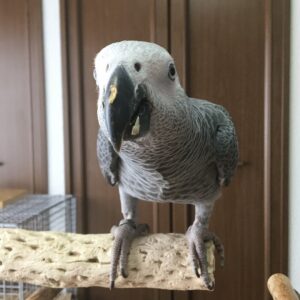
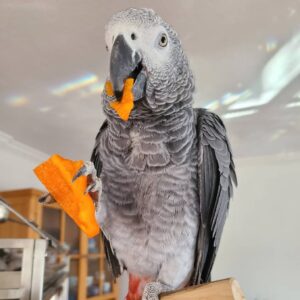
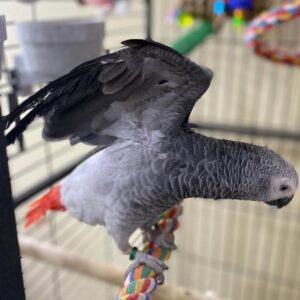
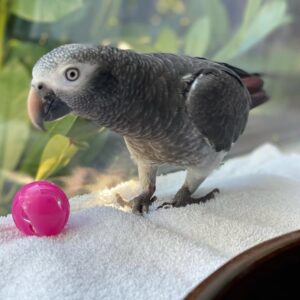
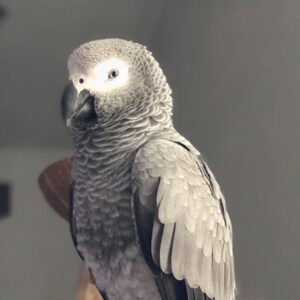
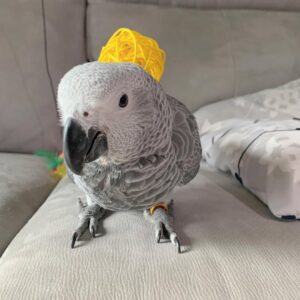
Appearance & Size: Sleek gray plumage with scalloped feathering, a sturdy black beak, and striking eyes. Adults typically range from 400–600 grams, depending on type and individual genetics.
Why People Love Them: African Greys form remarkable emotional bonds, offer endearing companionship, and reward patient training with clever interactions and heartwarming affection.
Care Guide
High-quality avian care ensures a long, happy life with your African Grey. Below is a practical overview to help you prepare.
- Diet: Offer a premium pellet base (about 60–70%), a rainbow of vegetables (leafy greens, peppers, carrots, squash), and limited fruit for variety. Include occasional sprouted grains, legumes, and a small number of healthy nuts for training rewards. Always provide fresh, clean water. Avoid avocado, chocolate, caffeine, alcohol, high-salt, and high-sugar foods.
- Cage Requirements: A spacious cage promotes comfort and confidence. We recommend a minimum interior size around 36″ W x 24″ D x 48″ H with strong bars and 3/4″–1″ bar spacing. Bigger is better if space allows. Provide multiple perches of varied diameters and natural wood textures.
- Exercise & Out-of-Cage Time: Aim for 3–4 hours of supervised out-of-cage time daily. If safe flight time isn’t possible, encourage climbing gyms, ladders, and play stands.
- Mental Stimulation: Rotate puzzle toys, foraging opportunities, and shreddable items. Teach new words and sounds. Short, fun training sessions (5–10 minutes) sprinkled throughout the day work wonders.
- Grooming: Provide regular misting or shallow baths to support feather health. Schedule nail trims as needed. Discuss wing trims with an avian professional if desired.
- Lifespan: With proper diet, vet care, and enrichment, African Greys commonly live 40–60 years. Plan for a long-term commitment and consider future care arrangements.
- Light & Sleep: Offer 10–12 hours of quiet, dark sleep nightly. Indirect sunlight or full-spectrum lighting supports vitamin D synthesis and overall well-being.
- Routine Vet Care: Annual wellness exams with an avian veterinarian help track weight, diet, and overall health. We provide pre-adoption health checks and guidance for your first vet visit.
Training & Socialization
African Greys are highly trainable and thrive on respectful, consistent interaction. We begin early socialization and basic manners so your bird arrives confident and engaged.
- Positive Reinforcement: Reward-based training using tiny treats and praise builds trust and makes learning fun.
- Step-Up & Handling: Most birds leave with a reliable “step-up” cue and comfort with gentle handling.
- Speech & Sound Games: Repetition, clear enunciation, and excitement help your bird learn words, whistles, and sound cues.
- Bonding Routines: Daily talk time, shared activities, and calm presence help sensitive Greys feel secure and avoid anxiety.
- Socialization: Introduce new people, places, and perches gradually. Balanced exposure prevents one-person bonding and supports a friendly temperament.
Why This Bird Makes a Great Pet
If you’re seeking a deeply connected, interactive companion bird, the African Grey is exceptional. Their keen intelligence invites conversation and games, while their tender nature fosters true companionship. With thoughtful avian care, they blossom into affectionate partners who greet you with whistles, stories, and playful curiosity.
- Emotional Bonding: Known for strong, loyal attachments and intuitive responses to your tone and mood.
- Intellectual Engagement: Puzzle-loving, quick learners who enjoy tricks, foraging, and cooperative training.
- Elegant Beauty: Iconic silver plumage and bright tails make them as striking as they are smart.
- Long-Term Companionship: A decades-long relationship built on respect, routine, and mutual joy.
With our careful start—hand-raising, socialization, and health-focused rearing—your new friend arrives ready to bond and thrive.
Frequently Asked Questions
Are your African Greys healthy and vet-checked?
Yes. Every parrot receives an avian veterinary health check prior to adoption. We maintain detailed records and offer DNA sexing and testing for common concerns where applicable. You’ll go home with documentation and guidance for your first vet visit.
What should I feed my African Grey?
We recommend a pellet-based diet supported by vegetables, limited fruit, sprouts or cooked legumes, and small amounts of nuts as training rewards. Fresh water daily and safe foraging opportunities encourage a balanced, enriching diet.
How long do African Greys live?
With excellent nutrition, enrichment, and routine veterinary care, many African Greys live 40–60 years. Adopting an African Grey is a significant, rewarding, long-term commitment.
How good are they at talking?
African Greys are world-renowned for their talking ability and mimicry. While each bird is unique, many develop large vocabularies and use phrases contextually with training and regular interaction.
What is their temperament like?
They are intelligent, sensitive, and affectionate with proper socialization and a predictable routine. Early, positive handling helps them become friendly family companions. Like all parrots, they benefit from patient guidance and gentle boundaries.
Are African Greys good for beginners?
They can be suitable for committed beginners who are eager to learn and follow a structured avian care routine. We provide education, starter guidance, and lifetime support. If your schedule is very limited, consider whether you can provide daily interaction and enrichment before adopting.
How do I reserve from your african grey parrots sale?
Click the “Adopt Me” button to begin the adoption process. We’ll confirm availability, discuss timing, and provide a personalized preparation checklist. Reservations are limited to ensure individualized care.
What cage size and setup do you recommend?
Choose a sturdy cage around 36″ W x 24″ D x 48″ H or larger with 3/4″–1″ bar spacing. Add natural wood perches, foraging toys, and a play stand. Rotate toys weekly to keep your bird engaged and confident.
Do you offer support after adoption?
Absolutely. We stand behind every adoption with ongoing guidance on diet, training, enrichment, and routine avian care. We’re here for you for the life of your bird.
Conclusion
If you’re ready for a brilliant, loving companion who will share your life and your stories, an African Grey is a remarkable choice. Our hand-raised parrots are nurtured with care, expertly socialized, and prepared for a seamless transition into your home. Tap “Adopt Me” to reserve your place, ask questions, and receive tailored guidance. Don’t miss this limited african grey parrots sale—bring home a lifetime friend and begin a beautiful bond today.
Be the first to review “African Grey Parrots Sale”
Related products
Reviews
There are no reviews yet.