
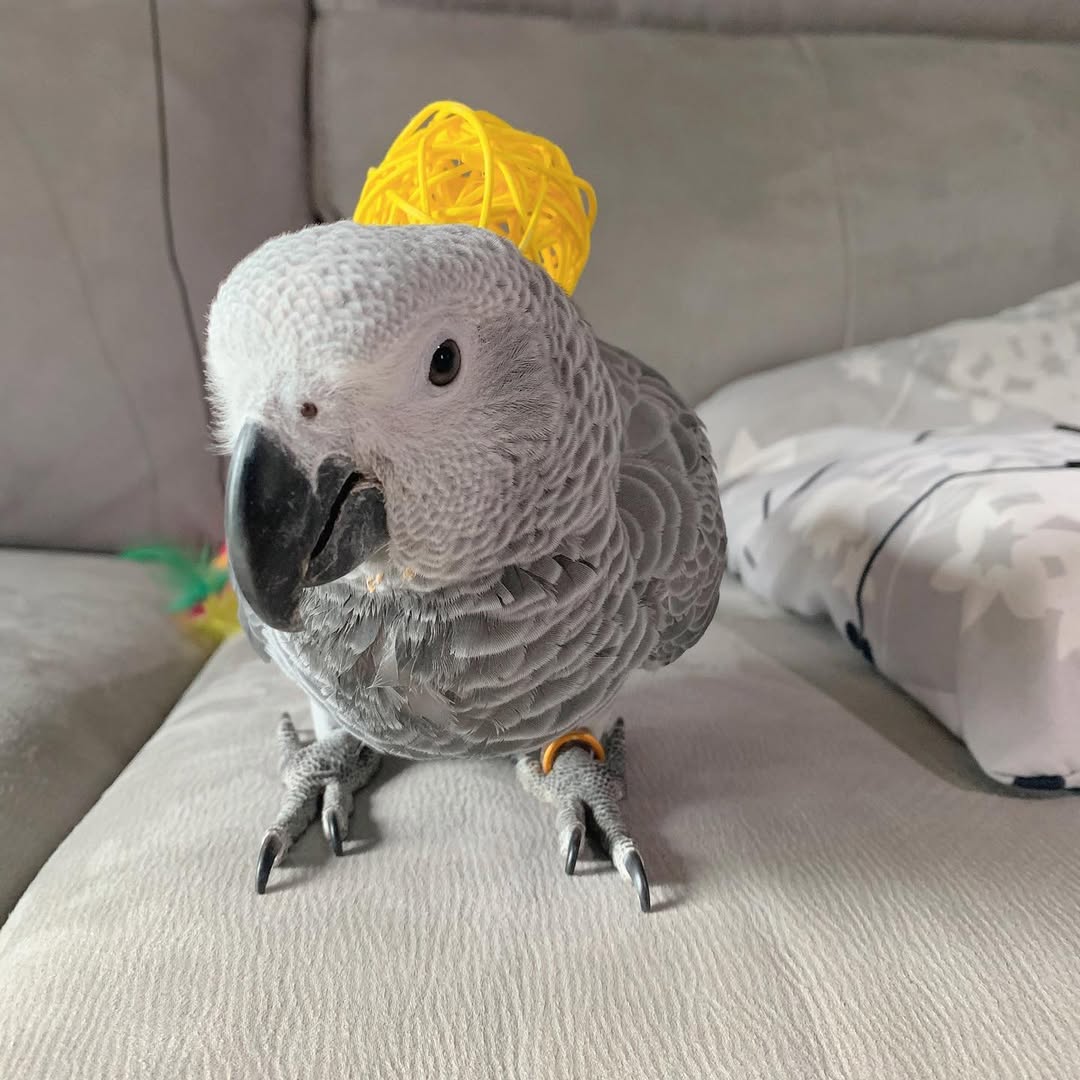
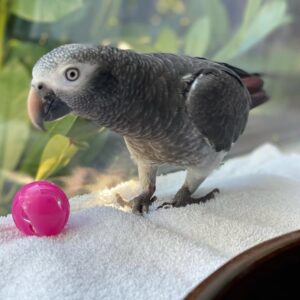
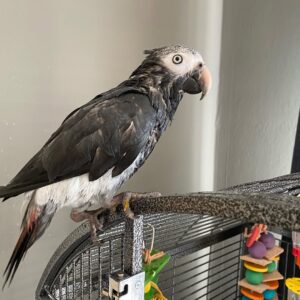
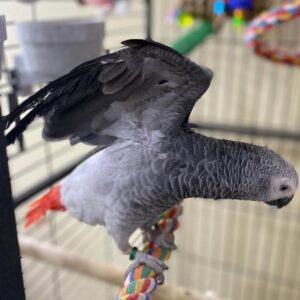
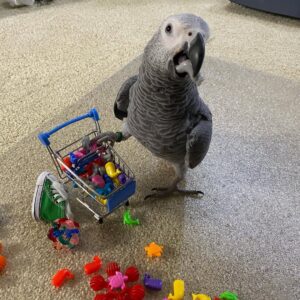
Congo African Grey Parrot For Sale
- Name: Merlin
- Sex: Male
- Age: 7 Months
- DNA Sexed: Yes
- Hand Fed: Yes
- Hand Raised: Yes
- Fully Weaned: Yes
- Tamed: Yes
- Socialized: Yes
- Talking Ability: Excellent Mimicking Ability
- Health Status: Healthy & Active
- Veterinary Checked: Yes
- Availability: Available
$900.00
Congo African Grey Parrot for Sale – Hand-Raised, DNA-Sexed, Vet-Checked
If you’re searching for a congo african grey parrot for sale from a trusted, ethical breeder, you’ve just found your dream companion. Revered for their unmatched intelligence, gentle temperament, and extraordinary talking ability, our hand-raised Congo African Greys are lovingly socialized and prepared to join your family. Tap “Adopt Me” to reserve your bird and take the first step toward welcoming a brilliant, affectionate companion bird into your life.
Why Choose Our Congo African Grey Parrot for Sale
We focus on quality, health, and lifelong support—so you can adopt with confidence.
- Hand-Raised & Socialized: Nursery-raised by experienced caregivers for a confident, people-focused pet bird.
- Friendly Personality: Gently handled daily; accustomed to household sounds, basic routines, and positive interaction.
- Healthy & Vet-Checked: Wellness exam by an avian veterinarian; nails and beak evaluated; guidance on ongoing avian care.
- DNA Sexed (if applicable): DNA sexing available so you can plan naming, pairing, and future training.
- Clean, Enriched Environment: Raised in an exceptionally clean setting with foraging toys, varied perches, and structured socialization.
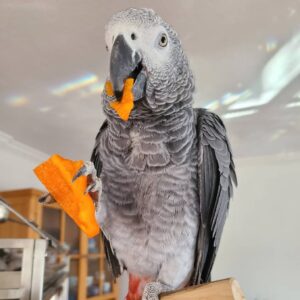
- Balanced Starter Diet: Transitioned to a premium pellet-based diet with vegetables, some fruit, and training treats.
- Lifelong Breeder Support: We provide post-adoption care guidance, training tips, and nutrition advice for the life of your bird.
- Ready for a New Home: We ensure each Grey is eating independently, stepping up reliably, and well-prepared for bonding in a new family.
About the Bird Breed
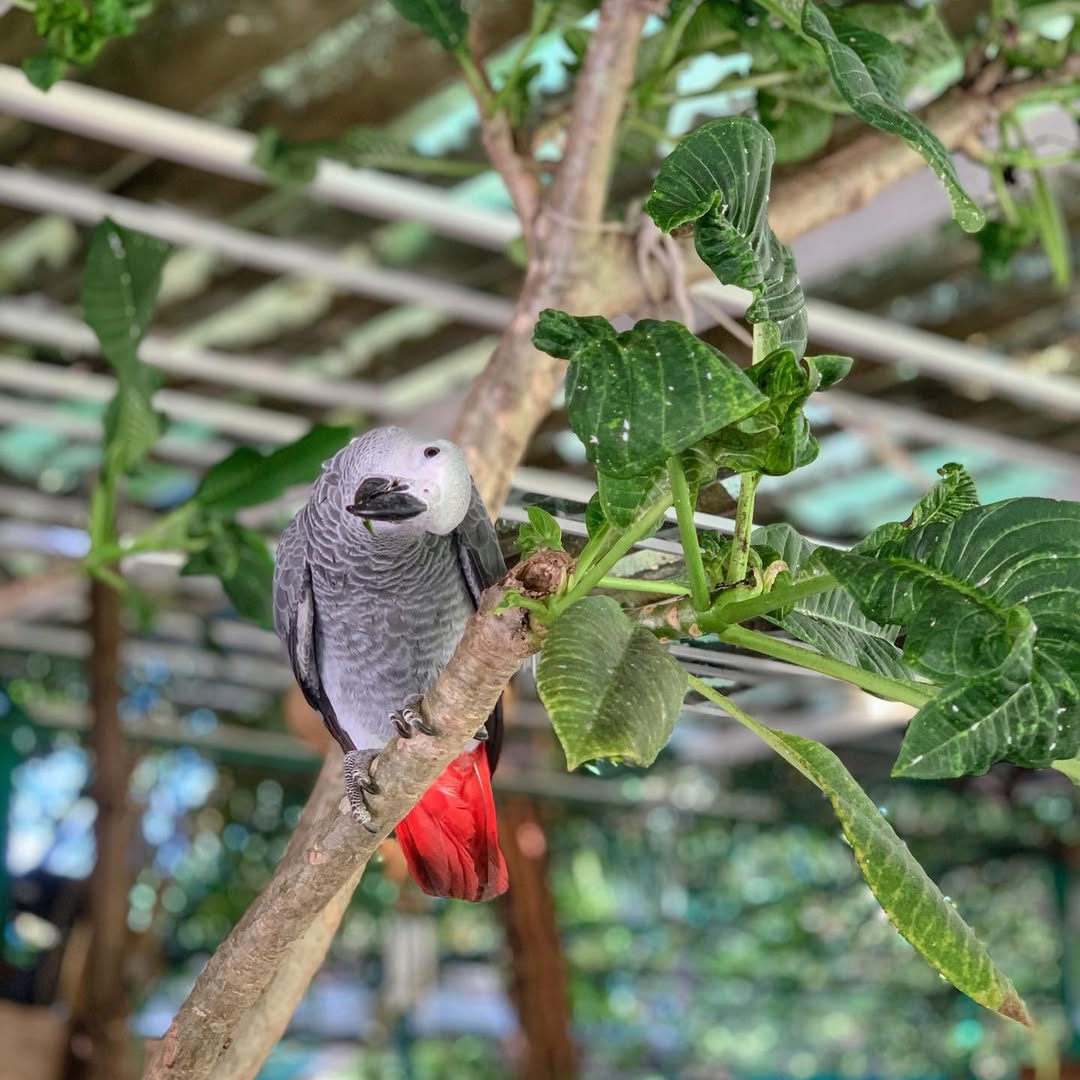
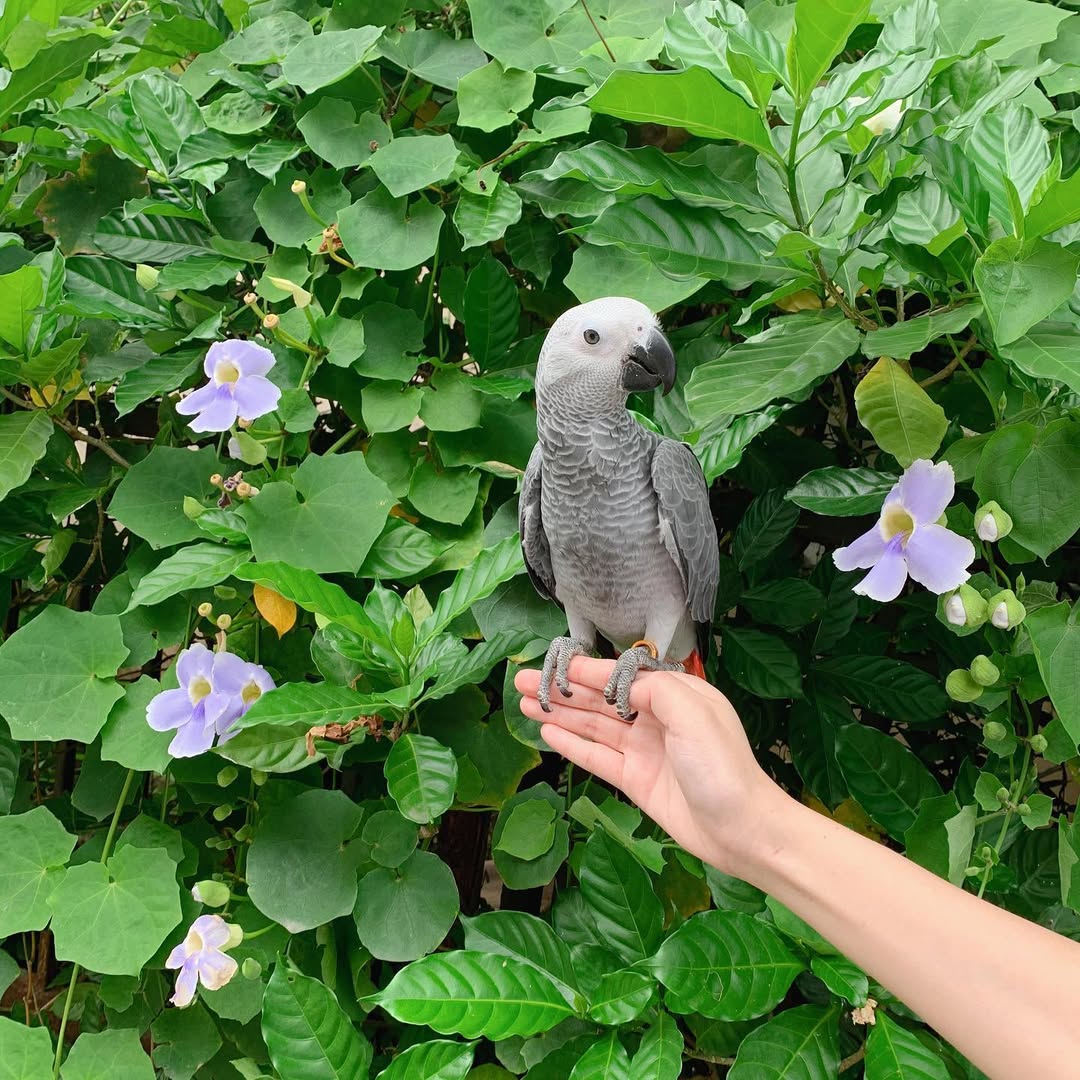
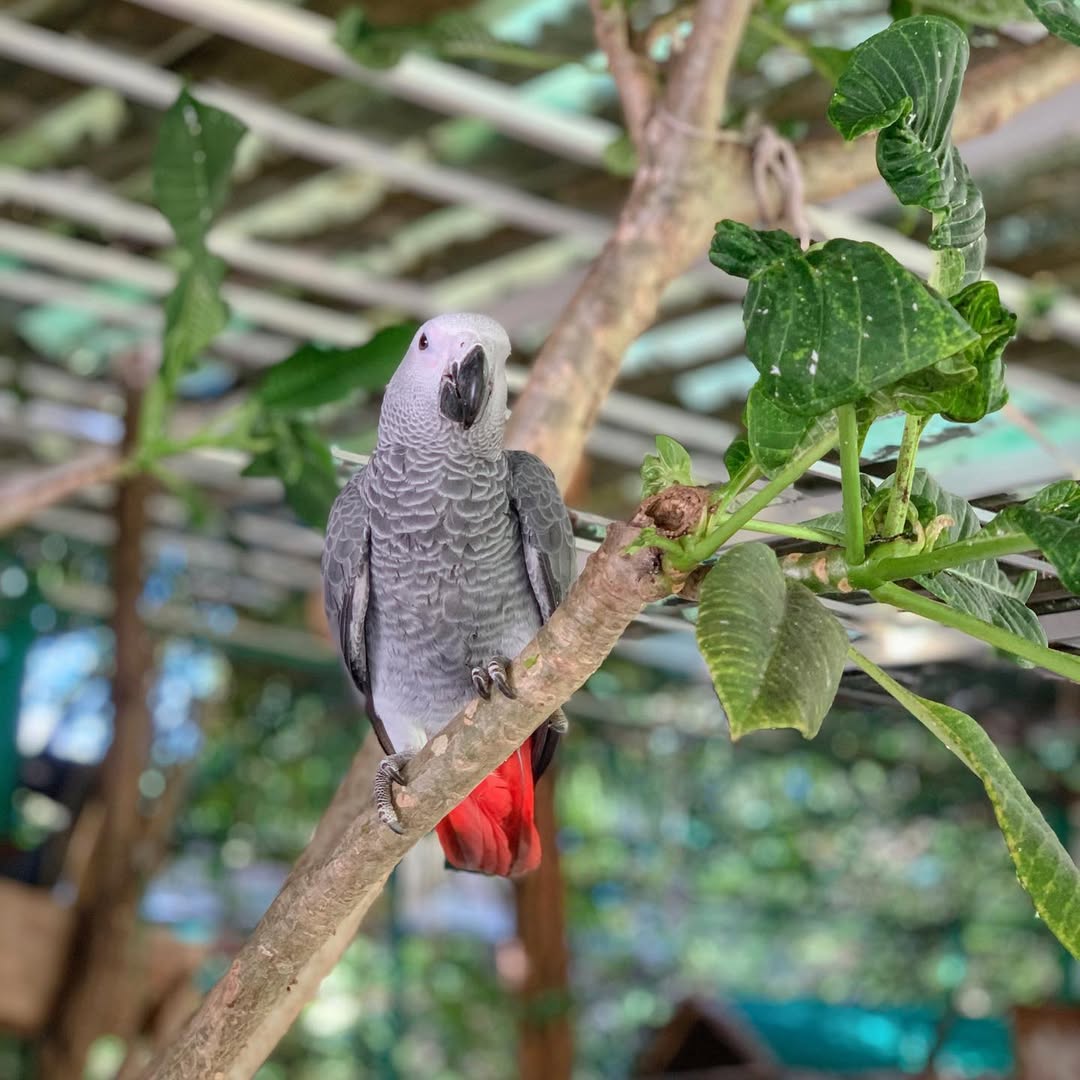
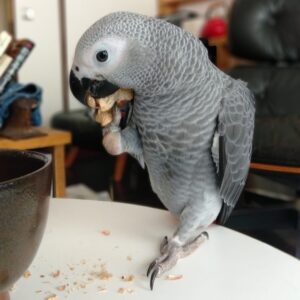
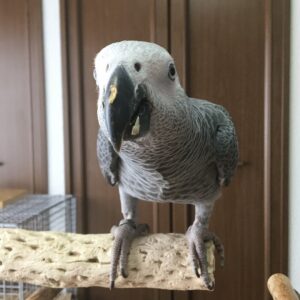
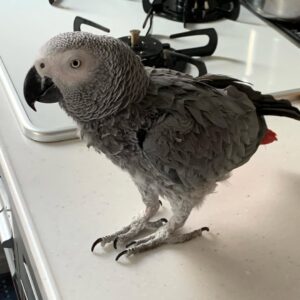
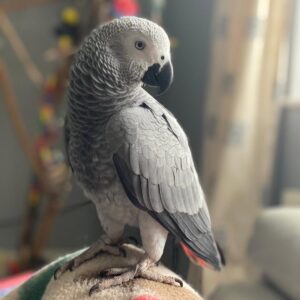
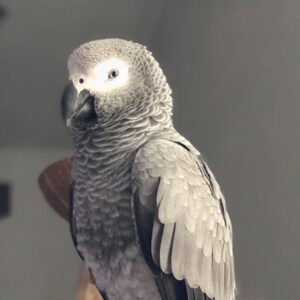
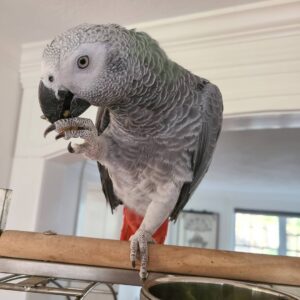
The Congo African Grey (Psittacus erithacus) originates from the rainforests of Central and West Africa. Instantly recognizable by their elegant ash-grey plumage, bright white mask, and vivid red tail, they are medium-large parrots known worldwide for their cognitive abilities and empathic nature.
- Intelligence & Talking Ability: African Greys are celebrated for advanced problem-solving and exceptional mimicry, often developing expansive vocabularies and context-aware speech. Their ability to understand tone and routine makes them remarkable communicators.
- Temperament: Typically calm, thoughtful, and observant. Many are affectionate yet sensitive, thriving on predictable schedules and gentle handling.
- Family Compatibility: Best for households committed to daily interaction. With proper socialization and supervision, they can do well around families and respectful children.
- Noise Level: Not as piercing as larger macaws but can be vocal, especially at routine times. Expect chatter, whistles, and household sound imitations.
- Size & Appearance: Approx. 12–14 inches in length with a strong, graceful build, expressive eyes, and that iconic red tail that makes them stand out.
- Why People Love Them: Emotional bonding, uncanny talking ability, and stunning beauty make the Congo African Grey a cherished companion bird for dedicated owners.
Care Guide
Bringing home a Congo African Grey means embracing a long-term, joyful commitment. With proper avian care, your Grey can thrive for decades.
Diet & Nutrition
- Primary Diet: High-quality pellets should comprise the foundation of their diet (around 60–70%).
- Fresh Foods: Offer a daily variety of dark leafy greens, vegetables (broccoli, bell pepper, carrot, squash), and limited fruit for natural vitamins and enrichment.
- Healthy Fats: Nuts and seeds used sparingly as training rewards—walnut pieces, almonds, or pistachios.
- Supplements: African Greys are prone to calcium deficiency; discuss calcium and vitamin D3 support and lighting with your avian vet.
- Foods to Avoid: Avocado, chocolate, caffeine, alcohol, onion/garlic in large amounts, and salty, sugary, or fried foods.
Cage Requirements & Environment
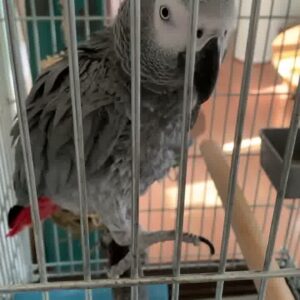
- Cage Size: Choose a spacious, sturdy cage—ideally a flight or wide aviary-style enclosure. A commonly recommended minimum is around 32″ W x 23″ D with generous height; bigger is better.
- Bar Spacing: Approximately 3/4″ to 1″ for safety and climbing comfort.
- Perches: Provide multiple natural wood diameters to promote foot health; add rope and textured perches.
- Placement: Set the cage in a bright, family area away from kitchen fumes and drafts. Maintain a consistent day-night cycle with quiet, dark sleep hours.
- Lighting: Discuss full-spectrum or safe UVB exposure with your vet for bone and feather health.
Exercise, Enrichment & Grooming
- Out-of-Cage Time: Aim for several hours daily for flight or supervised play on stands and play gyms.
- Enrichment: Offer foraging toys, puzzle feeders, chewable woods, and rotating toys to prevent boredom and feather-destructive behavior.
- Training Toys: Target sticks, foot toys, and shreddables are perfect for mental workouts.
- Bathing: Regular misting or shallow baths help manage feather dust and keep plumage pristine.
- Nail/Beak Care: Natural perches aid nail wear; schedule trims with an avian professional as needed.
Lifespan & Daily Expectations
- Lifespan: With excellent care, many African Greys live 40–60+ years.
- Routine: Provide 10–12 hours of uninterrupted sleep, daily interaction, training time, and multiple short play sessions.
- Cleanliness: Frequent cage and perch cleaning; consider an air purifier as Greys produce a fine feather dust.
Training & Socialization
African Greys are keen students. Positive, reward-based training makes them shine and deepens your bond.
- Positive Reinforcement: Reward desired behaviors with tiny nut pieces or praise. Keep sessions short (5–10 minutes) and frequent.
- Core Skills: Teach step-up, step-down, stationing, and recall. These basics improve safety and confidence.
- Speech & Sound Cues: Repeat clear phrases in context—greetings, meal times, bedtime—to encourage meaningful talking ability.
- Socialization: Introduce new people, perches, toys, and rooms gradually. Encourage calm exposure to everyday sights and sounds.
- Consistency: Greys respond well to predictable routines and patient handling. Avoid scolding; redirect and reward instead.
- Advanced Activities: Consider harness training, target games, and foraging challenges to satisfy their remarkable intelligence.
Why This Bird Makes a Great Pet
The Congo African Grey offers a rare blend of beauty, brains, and heart. They are capable of forming deep emotional bonds, offering affectionate companionship and daily conversation. Their intelligence invites interactive games, training success, and an enriching relationship that grows over decades. For mindful homes seeking a loving, loyal, and engaging companion bird, this species is a stellar match.
Is this breed right for beginners? While prior parrot experience helps, committed first-time adopters can succeed with our guidance. We provide education on diet, enrichment, training, and routine to support a happy transition and a confident, family-friendly companion.
Frequently Asked Questions
Is your congo african grey parrot for sale healthy and vet-checked?
Yes. Each bird receives a wellness check by an avian veterinarian. We monitor diet, weight, and behavior daily and offer guidance on ongoing avian care after adoption.
What does a Congo African Grey eat?
A balanced pellet diet with daily vegetables, leafy greens, and limited fruit is ideal. Use nuts and seeds as training treats. Avoid avocado, chocolate, caffeine, alcohol, and high-salt or sugary foods.
How long do African Grey parrots live?
With proper nutrition, enrichment, and veterinary care, many live 40–60+ years. Adopting a Grey is a long-term commitment, so plan for their lifetime needs.
Do Congo African Greys really talk?
They’re among the best talkers. Many learn words, phrases, and household sounds. Encourage speech by modeling phrases in context and rewarding calm attempts.
What temperament should I expect?
Greys are thoughtful, affectionate, and sensitive. They thrive on predictable routines, gentle handling, and daily interaction. Proper socialization reduces shyness and helps them adapt well to family life.
Are they suitable for beginners?
They can be, provided you’re ready to learn and commit to training, enrichment, and consistent care. We supply guidance and lifetime breeder support to help first-time owners succeed.
What cage size should I get?
Choose a spacious, sturdy cage—ideally a flight or wide enclosure. A commonly recommended minimum is around 32″ W x 23″ D with 3/4″ to 1″ bar spacing. Larger is always better.
How much daily attention do they need?
Plan for several hours of interaction and out-of-cage time every day. Provide rotating toys, foraging opportunities, and short training sessions to prevent boredom.
Are your birds DNA sexed?
DNA sexing is available for many of our Greys. Ask us about the specific bird you’re reserving, and we’ll confirm what’s included.
How do I reserve or adopt?
Click the “Adopt Me” button to begin the reservation process. We’ll confirm availability, discuss your home setup, and schedule pickup or help you plan safe transport options when possible.
Conclusion
If you’re ready for an intelligent, affectionate, and conversation-loving companion, our hand-raised Congo African Grey is an outstanding choice. Healthy, socialized, and supported by a caring breeder team, your new friend is prepared to bond for life. Click “Adopt Me” to reserve your bird today and bring home a remarkable companion—your congo african grey parrot for sale awaits its forever family.
Be the first to review “Congo African Grey Parrot For Sale”
Related products
Reviews
There are no reviews yet.