
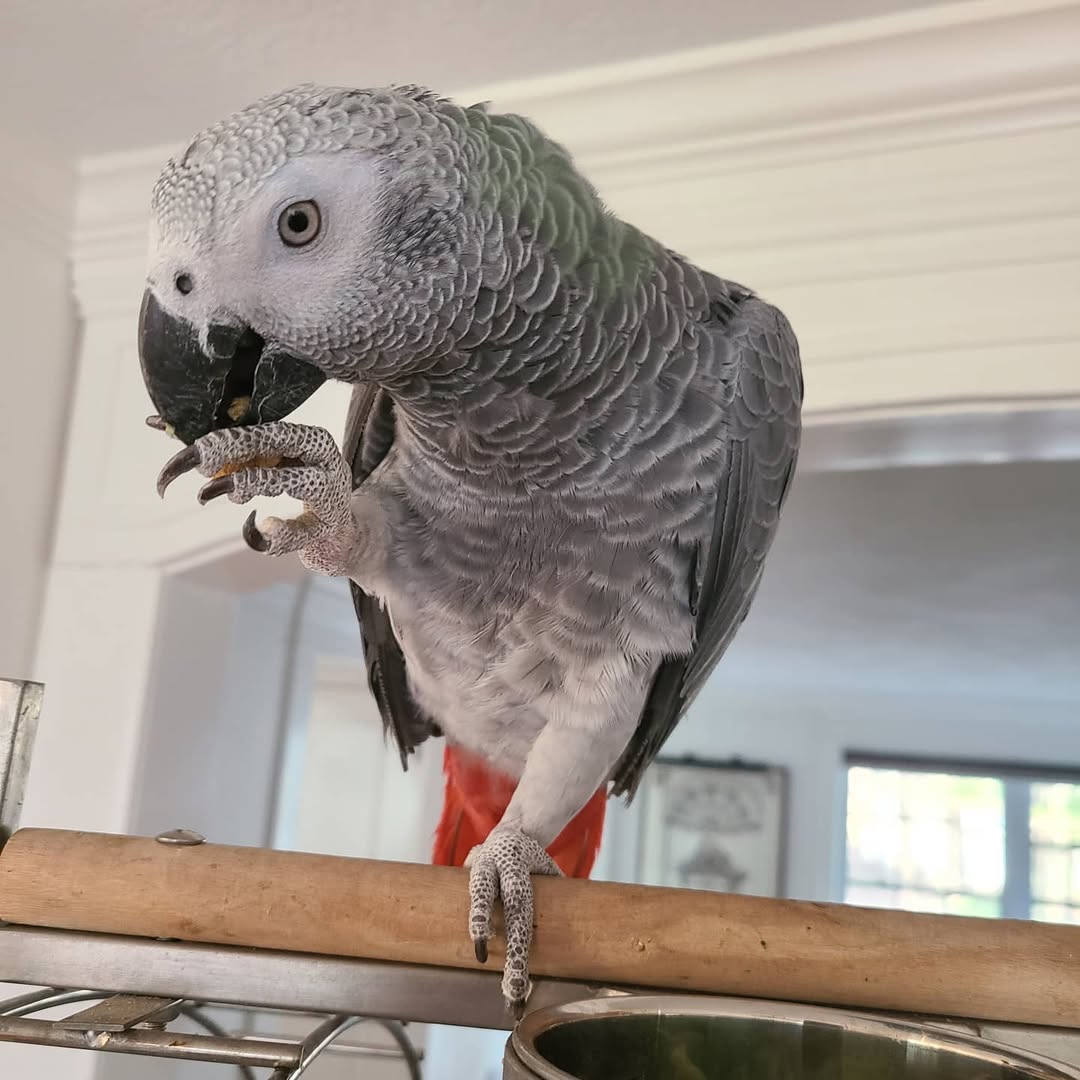
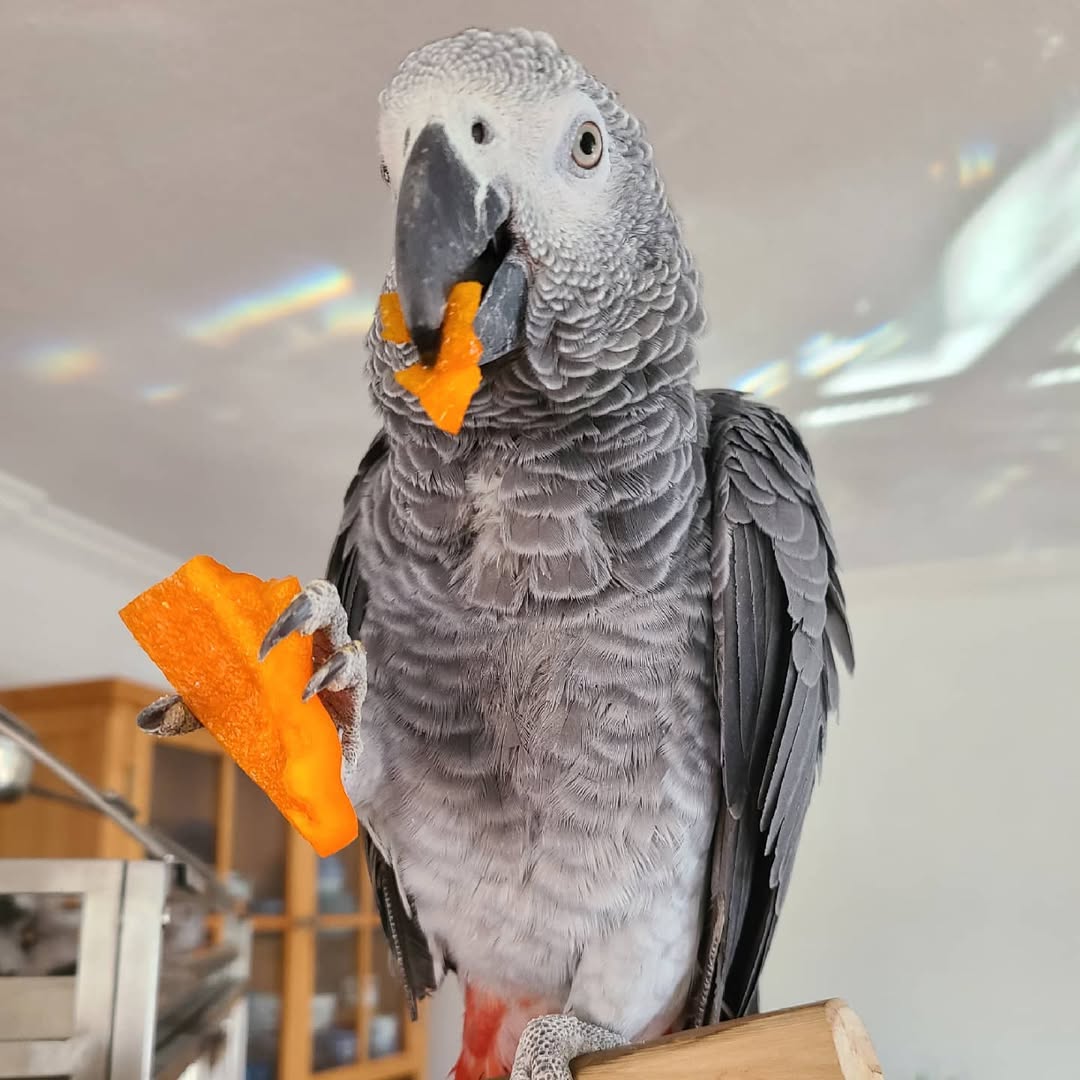
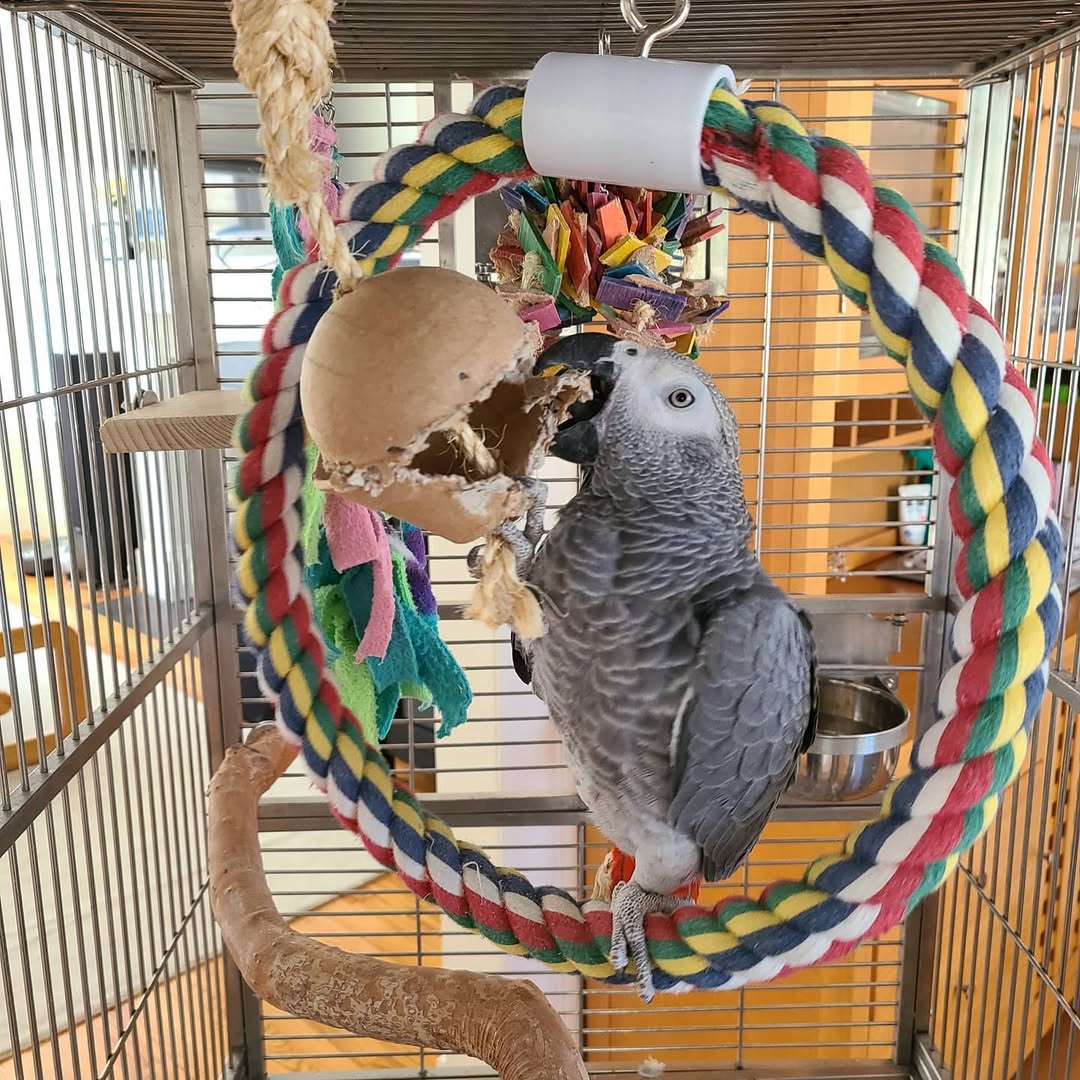
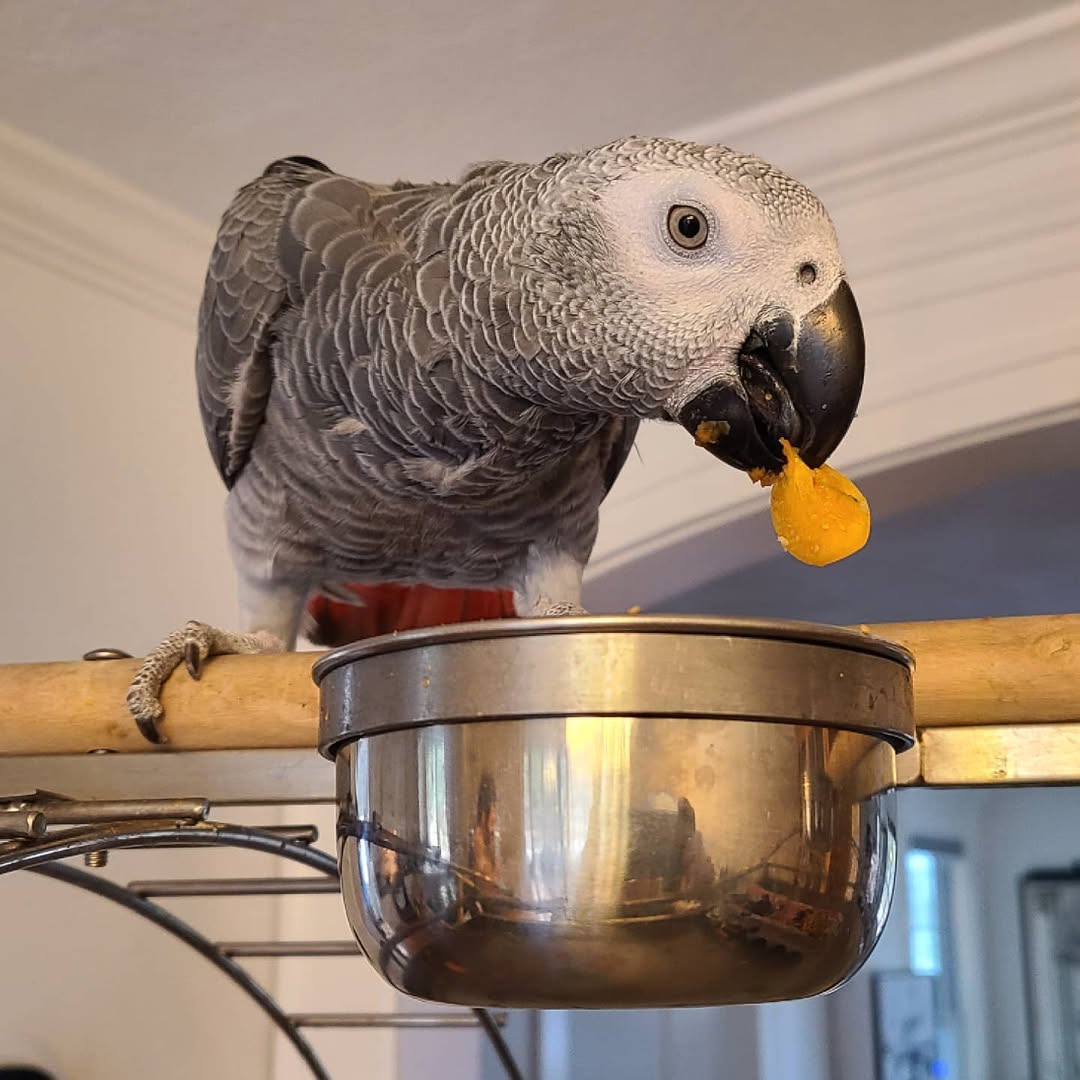
African Grey Parrot For Sale
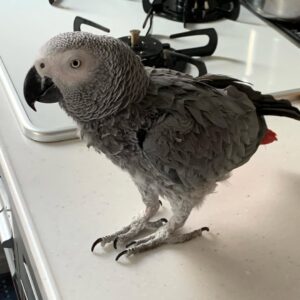
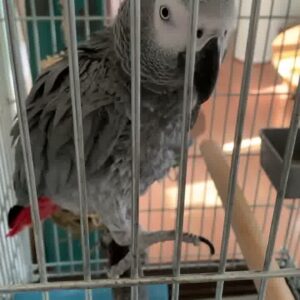
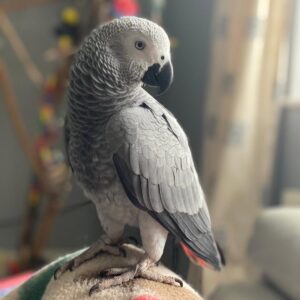
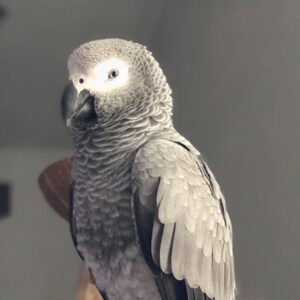
- Name: Oscar
- Sex: Male
- Age: 1 year
- DNA Sexed: Yes
- Hand Fed: Yes
- Hand Raised: Yes
- Fully Weaned: Yes
- Tamed: Yes
- Socialized: Yes
- Talking Ability: Excellent Mimicking Ability
- Health Status: Healthy & Active
- Veterinary Checked: Yes
- Availability: Available
$1,000.00
African Grey Parrot for Sale – Hand-Raised, Vet-Checked, Family-Ready
If you’re searching for an african grey parrot for sale from a trusted breeder, you’ve found a premium companion bird known for exceptional intelligence, empathy, and a remarkable talking ability. Our hand-raised African Greys are carefully socialized and prepared to join loving homes, making them wonderful lifelong companions for the right family or dedicated owner.
Every bird in our care is raised with patience and respect, never force-weaned, and supported by knowledgeable avian care professionals. Click “Adopt Me” to reserve your parrot or reach out to schedule a live video meet-and-greet with your future feathered friend.
Why Choose Our african grey parrot for sale
- Hand-Raised & Socialized: Raised in a calm, clean, family environment with daily handling and positive exposure to common household sights and sounds.
- Vet-Checked & Healthy: A comprehensive exam by an avian veterinarian prior to going home; nails and beak checked, and wellness documented.
- DNA Sexed (Upon Request): DNA testing available so you know your bird’s sex before adoption.
- Fully Weaned & Eating Well: Transitioned to a balanced diet of premium pellets, vegetables, and healthy treats—no early or rushed weaning.
- Temperament-Focused Pairing: We match you with a bird that fits your household—confident, curious juveniles or steady, affectionate adults when available.
- Clean, Enriched Environment: Raised with foraging stations, safe toys, and structured social time to build confidence and reduce stress.
- Lifetime Support: Ongoing guidance for nutrition, training, and enrichment from our experienced breeder team.
- Responsible Adoption: Clear care instructions, a starter routine, and a transition plan to help your new companion settle in smoothly.
About the Bird Breed
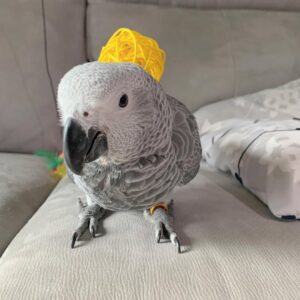
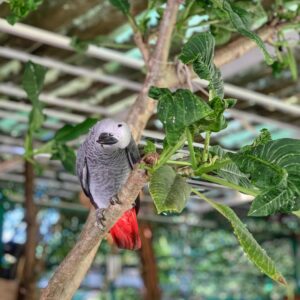
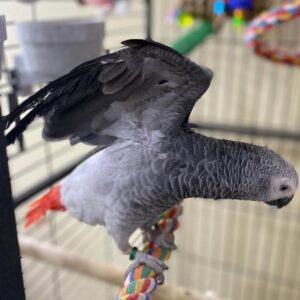
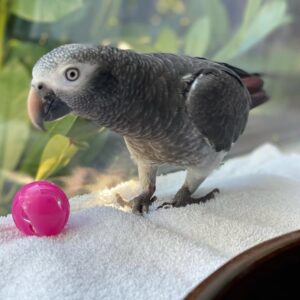
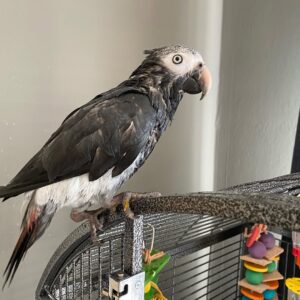
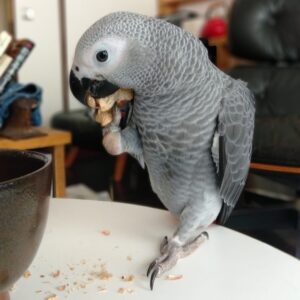
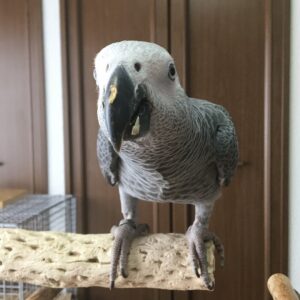
The African Grey Parrot (Psittacus erithacus) originates from the rainforests of West and Central Africa. Known worldwide for their striking silver feathers, graceful tail (deep red in Congo, maroon in Timneh), and expressive eyes, African Greys are often called the “Einstein” of the parrot world.
- Intelligence: Exceptional problem-solvers with impressive vocabulary and comprehension potential. They thrive on mental challenges and interactive play.
- Personality & Temperament: Sensitive, observant, and deeply bonded to their flock. They enjoy routine and can be cautious in new situations—gentle, consistent handling builds strong trust.
- Talking Ability: Among the best talkers in the pet bird world. Many develop clear speech, mimic sounds, and understand context when trained kindly.
- Family Compatibility: Best with dedicated guardians who can provide daily interaction. They can do well in family homes that respect boundaries and provide structure.
- Noise Level: Generally moderate. Expect vocal sessions in the morning and evening, plus lifelike household sounds and phrases.
- Size & Appearance: Medium-large parrots; sturdy build; elegant gray plumage with scalloped feathering and bright, intelligent eyes.
- Why People Love Them: Emotional depth, wit, and the ability to form meaningful, affectionate bonds that last decades.
Care Guide
Diet
Optimal nutrition is the foundation of long-term health. We start your bird on a balanced diet and provide a written plan to continue at home.
- Base: 60–70% high-quality formulated pellets for consistent nutrients.
- Fresh Foods: Daily vegetables (leafy greens, carrots, bell pepper, broccoli), some low-sugar fruits (berries, apple, pear) a few times per week.
- Healthy Fats/Protein: Sprouted seeds, cooked whole grains, and nuts (like almonds or walnuts) in moderation for training rewards.
- Avoid: Avocado, chocolate, caffeine, alcohol, onion/garlic in excess, and salty, sugary, or fatty processed foods.
- Hydration: Fresh, clean water changed daily; offer occasional warm, unsalted bird-safe teas for enrichment.
Cage Requirements
African Greys need ample room to climb, stretch, and play. Choose the largest safe cage your space allows.
- Minimum Cage Size: About 36″ W x 24″ D x 48″ H with 3/4″–1″ bar spacing; bigger is better.
- Placement: Draft-free area with natural daylight cycles; near family activity without being in a constant traffic zone.
- Perches: Mix natural wood diameters to promote foot health; add rope perches and a stable platform perch.
- Bowls & Setup: Separate bowls for water, pellets, and fresh foods; easy access for daily cleaning.
Exercise & Enrichment
- Out-of-Cage Time: Aim for 3–4 hours daily on a play stand or supervised flight area.
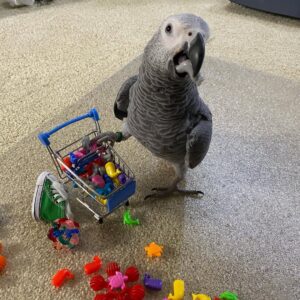
- Toys: Foraging toys, shreddables, puzzle toys, and chew-safe woods. Rotate weekly to keep curiosity high.
- Foraging: Hide pellets and treats in paper cups, cardboard, or puzzle feeders to encourage natural behaviors.
- Mental Stimulation: Short, frequent training sessions, music, and interactive games (targeting, color sorting, simple fetch).
Grooming & Health
- Bathing: Misting or shower sessions 2–4 times per week to support skin and feather quality.
- Nail/Beak Care: Natural perches help; occasional trims by an avian vet or qualified groomer as needed.
- Air Quality: African Greys produce light dander; consider a HEPA air purifier and avoid scented candles, aerosols, and Teflon fumes.
- Vet Care: Annual avian wellness exams; monitor weight, droppings, appetite, and behavior for early signs of illness.
Lifespan & Commitment
With proper avian care, diet, and enrichment, African Greys commonly live 40–60+ years. Plan for a lifelong bond with routine, patience, and daily engagement.
Daily Care Expectations
- Morning feeding, fresh water, and a quick social check-in.
- Midday enrichment: foraging, training, or play stand time.
- Evening settle: calm conversation, gentle head scratches if invited, and quiet time for sleep (10–12 hours in a dim, restful space).
Training & Socialization
African Greys are highly trainable companion birds that flourish with kind, consistent interaction. Positive reinforcement and short, upbeat sessions work best.
- Bonding: Earn trust with routine, soft voice, and choice-based handling. Let your bird initiate contact and respect body language.
- Core Skills: “Step up,” targeting, recall, and stationing on a perch form a safe daily routine.
- Talking & Mimicry: Model clear phrases; reinforce with praise and treats when your bird vocalizes calmly.
- Socialization: Gradual exposure to different people, rooms, and safe household sounds to build confidence.
- Problem Prevention: Provide foraging, independent play options, and predictable schedules to reduce anxiety-based behaviors.
Why This Bird Makes a Great Pet
An African Grey’s brilliance is matched by its heart. They notice your mood, learn your routine, and respond to gentle guidance with trust and affection. As a companion bird, the African Grey offers:
- Emotional Bonding: A deeply connected relationship built on mutual respect and daily interaction.
- Intellectual Engagement: Games, words, and puzzles that keep both bird and human thinking and laughing.
- Beauty & Grace: Elegant feathering, expressive eyes, and poised movement that brighten any space.
- Long-Term Companionship: A pet bird that becomes part of the family for decades with proper care.
- Family-Friendly Potential: In homes ready to learn bird body language and provide structure, African Greys thrive.
Frequently Asked Questions
Is your african grey parrot for sale vet-checked and healthy?
Yes. Each bird receives a full avian wellness exam, is observed for consistent eating and behavior, and goes home with care guidance. We’re available for ongoing support after adoption.
What diet should I feed my African Grey?
Offer a pellet-based diet with daily vegetables, some low-sugar fruits, and limited healthy nuts for training. Avoid avocado, chocolate, caffeine, and salty or sugary foods.
How long do African Grey parrots live?
With excellent avian care, enrichment, and a balanced diet, many live 40–60+ years. Regular vet checkups help support longevity.
Are African Greys good talkers?
They are among the best talkers. Most learn sounds and phrases, and many use words in context. Gentle training and daily interaction encourage clear speech.
What temperament should I expect?
Intelligent and sensitive. They bond strongly and prefer routine. With patient socialization, they’re affectionate, interactive, and delightful companions.
Are African Greys suitable for beginners?
They can be, for committed beginners who are eager to learn avian care, provide daily time, and follow guidance. We provide detailed support to help you succeed.
What cage size do you recommend?
At minimum 36″ W x 24″ D x 48″ H with 3/4″–1″ bar spacing, plus 3–4 hours out-of-cage time daily. Bigger cages and safe play stands are encouraged.
What comes with adoption or reservation?
A health record, diet and care plan, and lifetime support from our breeder team. Depending on your needs, we can recommend cages, perches, and toy setups.
How do I reserve an african grey parrot for sale?
Click “Adopt Me” to start the reservation. We’ll confirm availability, answer questions, and schedule a virtual meet-and-greet. A deposit may be required to hold your bird.
Do you offer DNA sexing and shipping?
DNA sexing is available upon request. We provide safe, climate-aware transport options or in-store pickup. Availability and routes vary—contact us for details.
Conclusion
If you’re ready to welcome extraordinary intelligence, loyal companionship, and daily laughter into your life, an African Grey could be your perfect match. Our birds are hand-raised, carefully socialized, and supported by a passionate breeder team committed to your success. Click “Adopt Me” to reserve, ask questions, or schedule a video visit today—and take the first step toward adopting your african grey parrot for sale from a trusted, ethical source.
Be the first to review “African Grey Parrot For Sale”
Related products
Reviews
There are no reviews yet.