
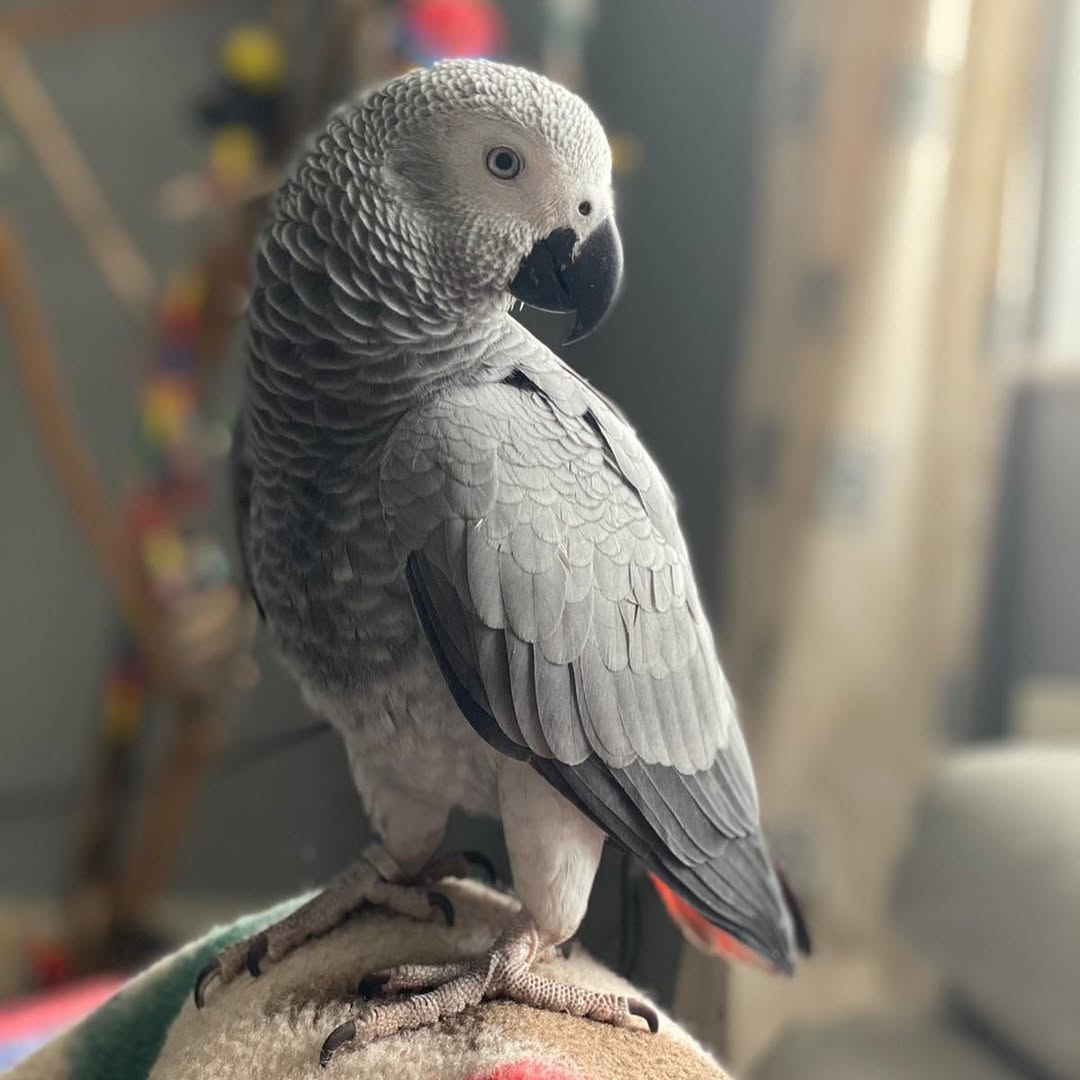
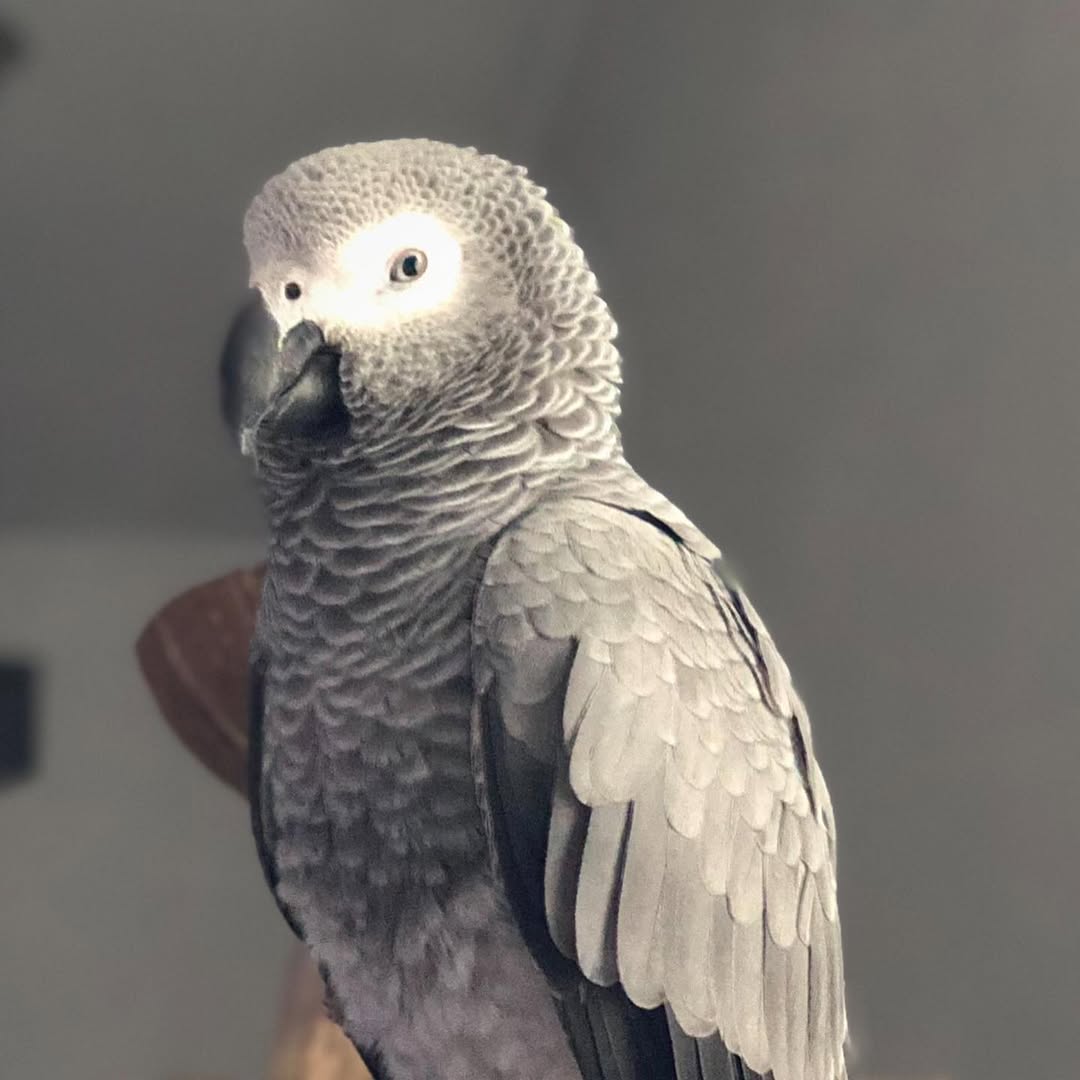
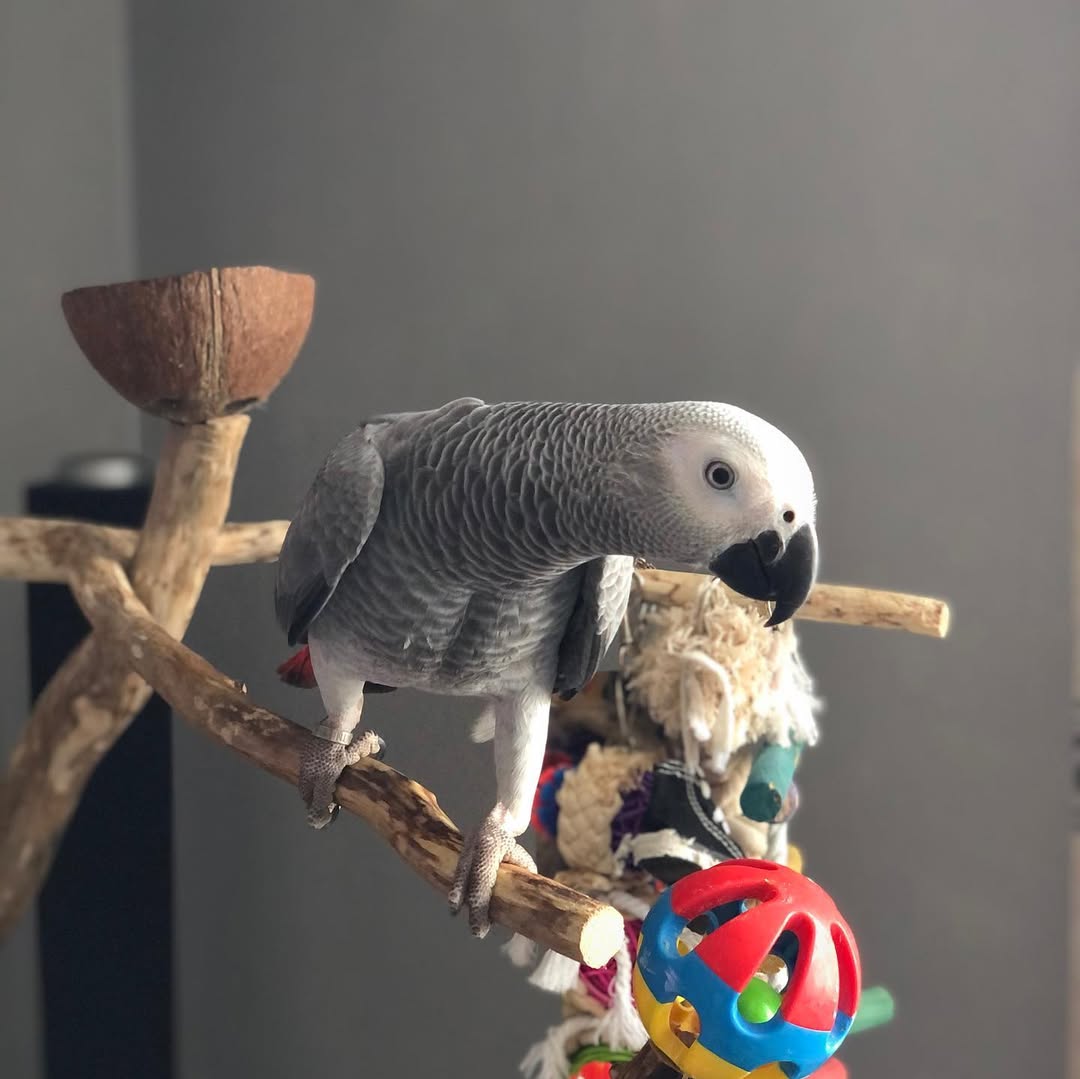
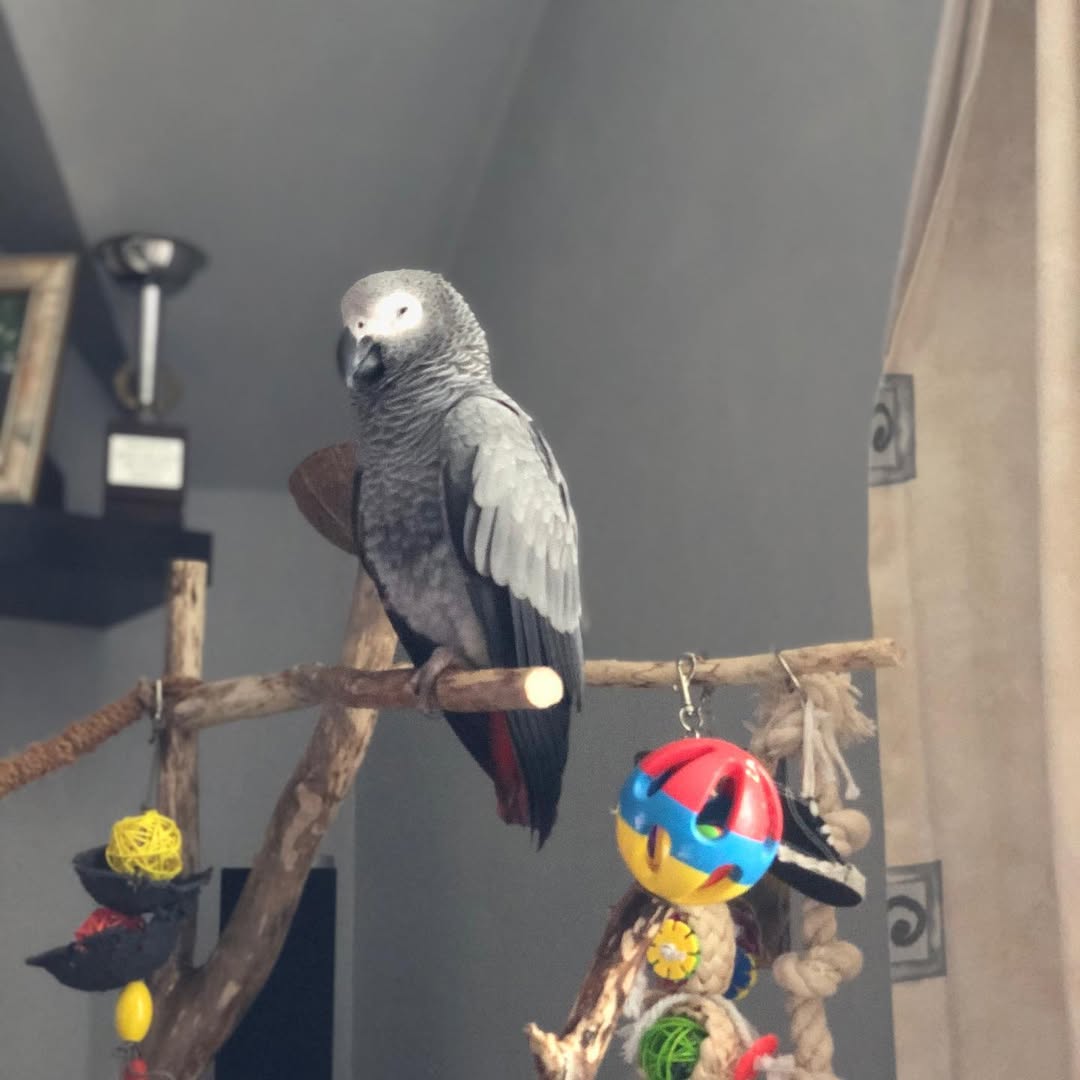
African Grey Parrot To Buy
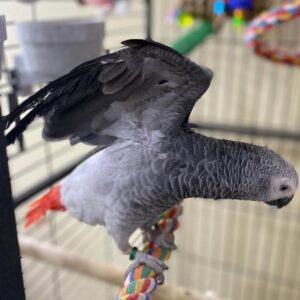
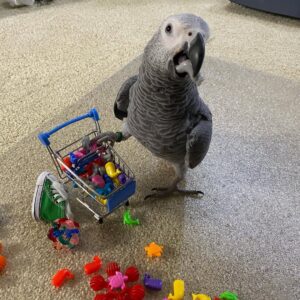
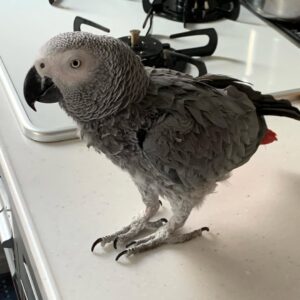
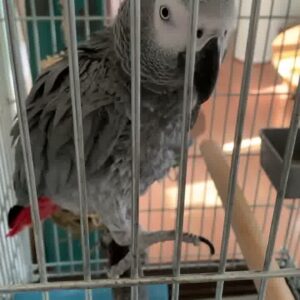
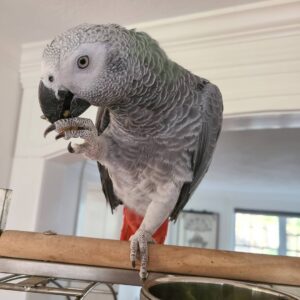
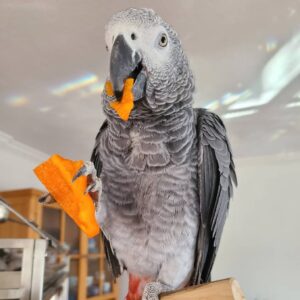
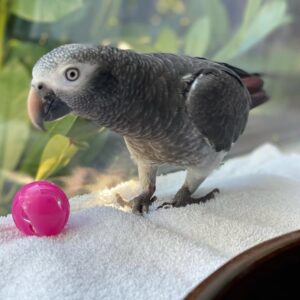
- Name: Homer
- Sex: Male
- Age: 1 Year
- DNA Sexed: Yes
- Hand Fed: Yes
- Hand Raised: Yes
- Fully Weaned: Yes
- Tamed: Yes
- Socialized: Yes
- Talking Ability: Excellent Mimicking Ability
- Health Status: Healthy & Active
- Veterinary Checked: Yes
- Availability: Available
$1,100.00
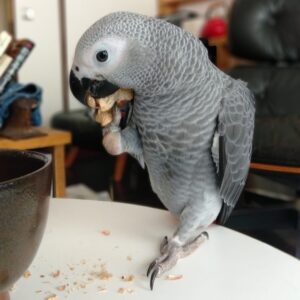
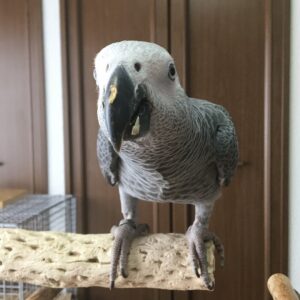
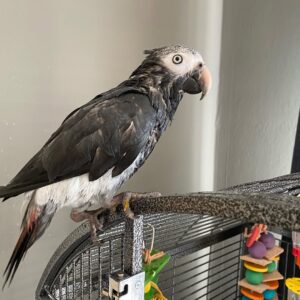
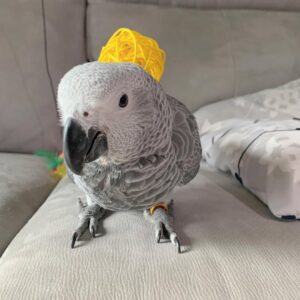
African grey parrot to buy – Hand-Raised, DNA-Sexed Companion for Adoption
If you are searching for an african grey parrot to buy from a trusted breeder, you are in the right place. Our African Greys are hand-raised with patience, socialized from the nest, and carefully prepared to thrive as intelligent, affectionate companion birds. Revered for their remarkable talking ability and sensitivity, African Greys reward committed owners with deep bonds, clever interaction, and a lifetime of companionship.
Every bird we place is nurtured in a clean, enriched environment by experienced avian caretakers. From proper weaning and healthy diet foundations to early training and gentle handling, we focus on giving each Grey the best possible start—so your new companion arrives confident, curious, and ready to join your family.
Why Choose Our african grey parrot to buy
- Hand-raised & socialized: Raised by experienced caregivers, familiar with human voices, daily handling, and positive experiences that build trust.
- Healthy & vet-checked: Each parrot receives a comprehensive wellness exam by an avian veterinarian before going home.
- DNA-sexed: DNA testing available so you know your bird’s sex for more personalized care and naming.
- Premium early diet: Weaned onto a balanced diet of quality pellets, fresh vegetables, leafy greens, and select nuts.
- Clean, low-stress environment: Our brood rooms are hygienic, climate-controlled, and enriched with safe toys and perches.
- Temperament focused: We encourage confident step-ups, gentle beak manners, and calm interaction through positive reinforcement.
- Transition support: Take-home care guide, starter sample of diet, and lifetime breeder support for avian care questions.
- Adoption or reservation: Secure your bird with a deposit; we coordinate safe, stress-minimized pickup or approved transport options where permitted.
About the Bird Breed
African Grey Parrots (commonly the Congo African Grey and the slightly smaller Timneh) originate from the rainforests of West and Central Africa. They are famous for their incredible intelligence, nuanced understanding of human tone, and advanced mimicry. Many Greys learn to use words contextually, whistle melodies, and replicate household sounds with astonishing accuracy.
Personality & temperament: African Greys are thoughtful, observant, and emotionally perceptive. They tend to bond closely with their trusted people and appreciate gentle, predictable routines. While generally quieter than some large parrots, they still vocalize and require attention, especially during morning and evening “flock” times.
Talking ability: Among the best talkers in the pet bird world, Greys can develop extensive vocabularies. Keep in mind that talking is never guaranteed; what you can count on is a highly intelligent companion that thrives on interaction, training, and enrichment.
Family compatibility: With proper socialization and respectful children, African Greys can do well in family homes. They prefer calm, positive energy and daily engagement. Consistency and patience are key to building a trusting bond.
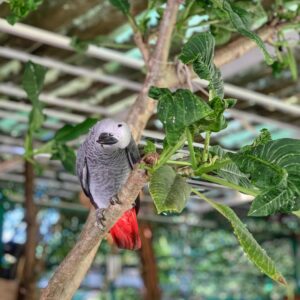
Appearance & size: African Greys are medium-large parrots, typically slate grey with lighter scalloping, a striking white facial mask, and a vibrant tail (red for Congo; maroon-brown for Timneh). Adults usually measure around 12–14 inches for Congo and slightly smaller for Timneh.
Why people love them: Their blend of beauty, empathy, and brilliance is unmatched. With time and attention, your Grey becomes an intuitive companion, eager to learn, play, and share everyday life with you.
Care Guide
Diet & Nutrition
- Base diet: High-quality formulated pellets (about 60–70% of the diet) to ensure balanced vitamins and minerals.
- Fresh foods: Daily variety of chopped vegetables (leafy greens, carrots, bell peppers, squash), some fruits as treats, and calcium-rich options for bone health.
- Healthy training treats: Nuts like almonds or walnuts in moderation, used for positive reinforcement.
- Avoid: Avocado, chocolate, caffeine, alcohol, high-salt or high-sugar foods, and foods containing xylitol.
- Hydration: Fresh, clean water changed daily; rinse bowls to prevent bacterial growth.
Cage Size & Setup
- Minimum cage size: A spacious cage with a footprint around 36 x 24 inches or larger, and bar spacing approximately 3/4″ to 1″. Bigger is always better.
- Perches: Offer multiple natural wood diameters to promote foot health; add a rope or textured perch for variety.
- Toys & foraging: Provide chewable woods, shreddables, puzzle toys, and foraging opportunities to prevent boredom.
- Location: Place the cage in a well-lit, family area away from drafts and kitchen fumes. Avoid non-stick/PTFE cookware fumes, scented candles, and aerosols.
Exercise, Enrichment & Sleep
- Out-of-cage time: Aim for 2–4 hours daily in a safe, supervised space or on a play stand.
- Mental stimulation: Rotate toys weekly, introduce simple training games, and encourage foraging to satisfy their problem-solving nature.
- Sleep: 10–12 hours of quiet, dark rest each night; consider a separate sleep cage or a cover to ensure uninterrupted rest.
Grooming & Health
- Bathing: Regular misting or shallow baths help manage the Grey’s natural powder-down and keep feathers healthy; an air purifier can be helpful.
- Nails & beak: Nails may require periodic trims by a professional; a healthy beak maintains itself with proper perches and chew toys.
- Sun/UVB: Access to safe natural sunlight or avian-specific UVB lighting supports Vitamin D3 synthesis and calcium metabolism.
- Vet care: Annual wellness checks with an avian veterinarian; monitor for early signs of stress or hypocalcemia, which Greys can be prone to without proper diet and lighting.
Lifespan & Commitment
- Lifespan: With excellent avian care, African Greys can live 40–60+ years. Adopting a Grey is a long-term commitment and a rewarding partnership.
- Environment: Provide a stable routine, gentle training, and daily interaction to support emotional wellbeing.
Training & Socialization
African Greys are exceptionally trainable. Positive reinforcement—rewarding desired behaviors with praise, treats, or play—builds trust and confidence. Simple foundations like “step-up,” “stay,” “target,” and recall can be learned quickly with short, consistent sessions.
- Early bonding: Sit nearby, read aloud, whistle, and offer treats through the bars to build comfort.
- Short, fun sessions: 5–10 minute training blocks prevent fatigue and keep learning exciting.
- Socialization: Introduce new people, perches, and safe environments gradually. Reward calm curiosity to reduce fear responses.
- Consistency: Use the same cues and hand signals so your Grey knows what to expect.
- Enrichment challenges: Rotate puzzle feeders, teach object labels, and encourage gentle speech practice to engage their remarkable minds.
Why This Bird Makes a Great Pet
Few companion birds match the emotional connection of an African Grey. They notice your routines, learn your preferences, and reflect your energy. Their intelligence invites meaningful interaction: from learning words and sounds to solving puzzles and sharing quiet moments on your shoulder.
As a family-friendly pet bird for households that commit to daily engagement, a Grey offers years of laughter, conversation, and mutual understanding. Their elegant beauty and thoughtful personality make every day richer—and their loyalty deepens with time.
Frequently Asked Questions
Is your african grey parrot to buy vet-checked and DNA-sexed?
Yes. Our African Greys receive an avian vet wellness exam, and DNA sexing is provided so you can plan care and naming with confidence. Health and temperament are our top priorities.
What diet do you recommend for an African Grey?
A balanced pellet forms the base, complemented by fresh vegetables (especially leafy greens and Vitamin A–rich veggies), some fruit as treats, and nuts reserved for training. Avoid avocado, chocolate, caffeine, alcohol, and high-salt or sugary foods.
How long do African Greys live?
With excellent avian care, African Greys commonly live 40–60 years or more. Adopt with a long-term commitment in mind, and schedule annual checkups with an avian veterinarian.
How good is the African Grey’s talking ability?
They are renowned talkers and sound mimics. While speech can never be guaranteed, regular interaction, positive reinforcement, and a language-rich environment often encourage impressive vocal skills.
Are African Greys suitable for beginners?
They can be a wonderful choice for dedicated first-time owners who are ready to learn. We provide guidance on avian care, training, and setup. Their intelligence and sensitivity require consistent enrichment and gentle handling.
How big should the cage be and what bar spacing is best?
Choose a spacious cage with a footprint around 36 x 24 inches or larger and bar spacing about 3/4″ to 1″. Bigger is always better, with multiple perches and a rotation of toys for enrichment.
What is the temperament of an African Grey?
Thoughtful, observant, and affectionate once bonded. They thrive on predictable routines, calm interaction, and daily mental stimulation. Early socialization helps prevent fear-based behaviors.
How do I reserve an african grey parrot to buy?
Click the “Adopt Me” button to start the reservation process. We’ll confirm availability, answer your questions, and secure your adoption with a deposit. Safe pickup or approved transport options are coordinated based on location and regulations.
How much time each day should I spend with my Grey?
Plan on 2–4 hours of out-of-cage time with daily training, foraging, and social interaction. Consistency builds trust and reduces stress-related behaviors.
Do African Greys produce dust?
Yes, they are powder-down birds. Regular bathing or misting and the use of an air purifier can help keep the environment comfortable for both you and your bird.
Conclusion
If you’re ready for a bright, deeply connected companion, our hand-raised African Greys are prepared to join a loving home. From careful socialization to thorough health checks, we set your parrot up for success—and we stand beside you with lifetime support. Tap “Adopt Me” to reserve your bird, ask questions, and receive personalized guidance on setup and care. Your search for the perfect african grey parrot to buy can end here—with a trusted breeder, a confident companion, and a joyful future together.
Be the first to review “African Grey Parrot To Buy”
Related products
Reviews
There are no reviews yet.