
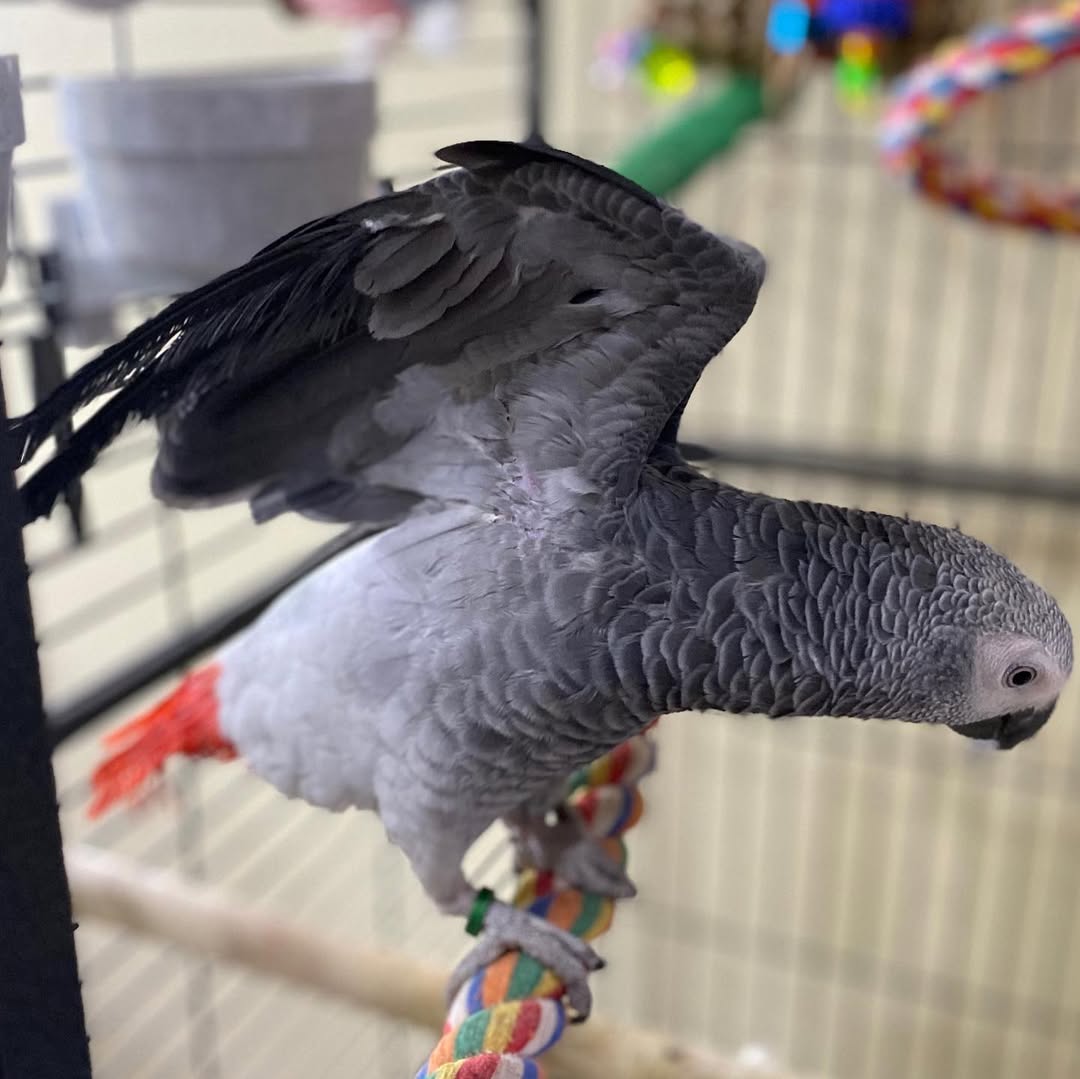
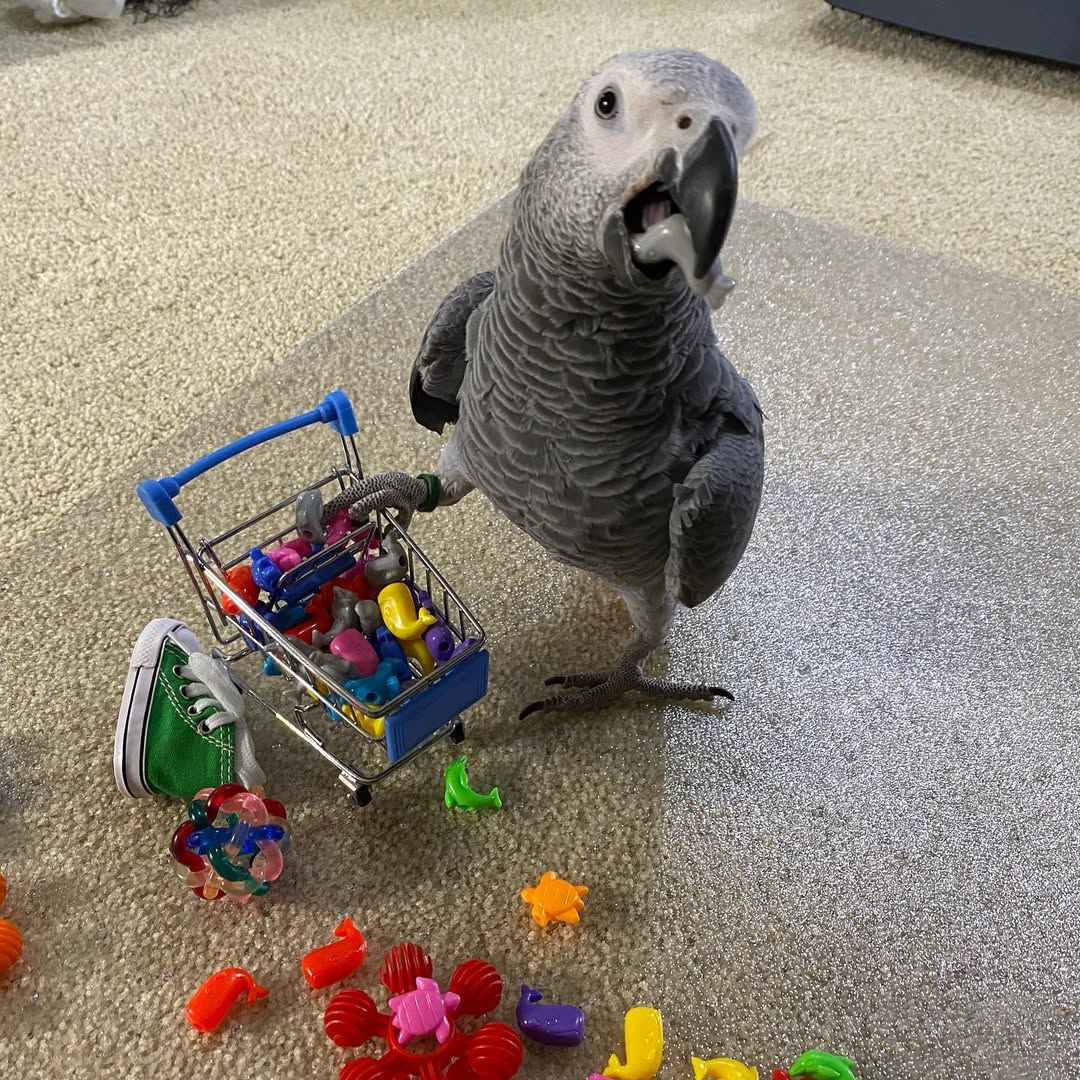
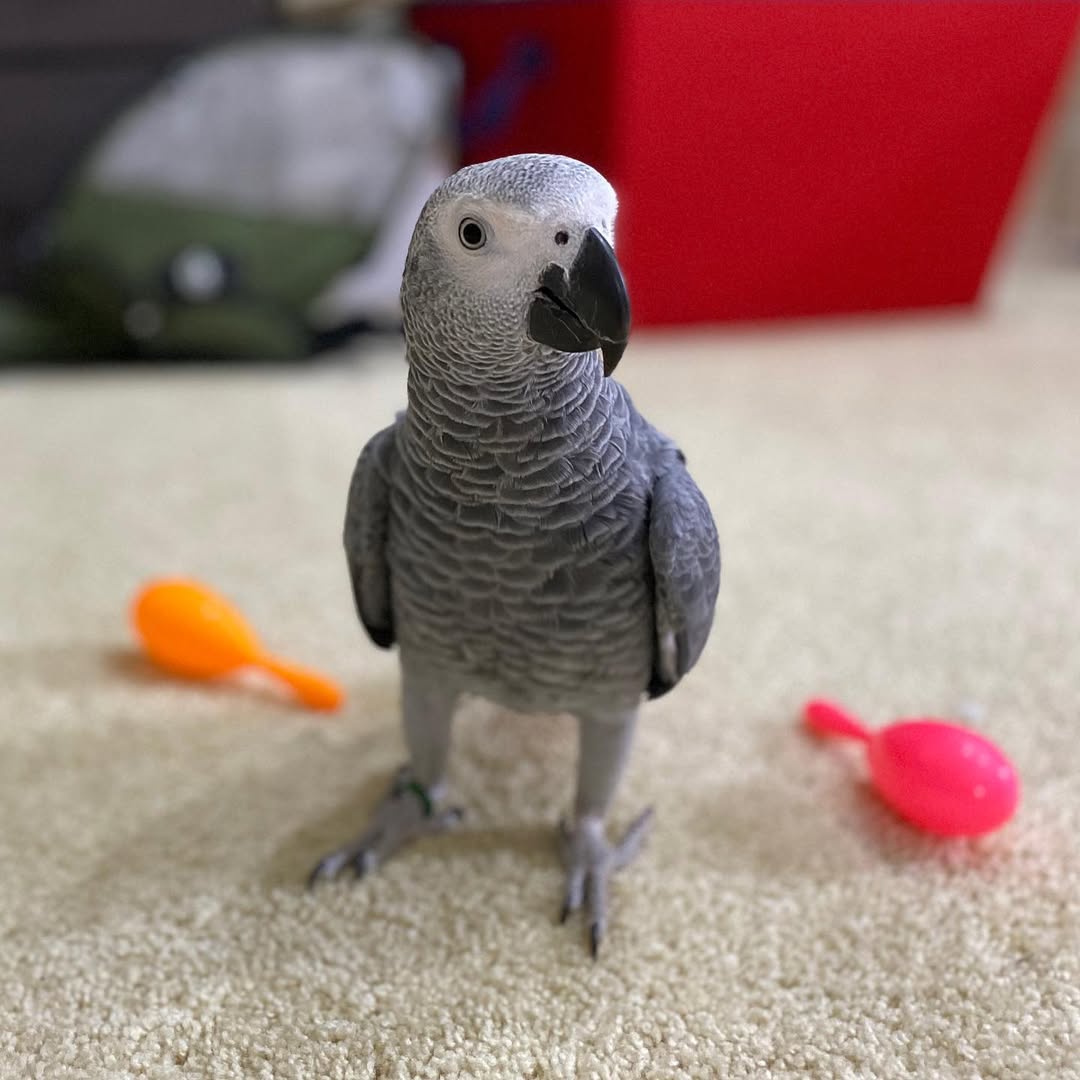
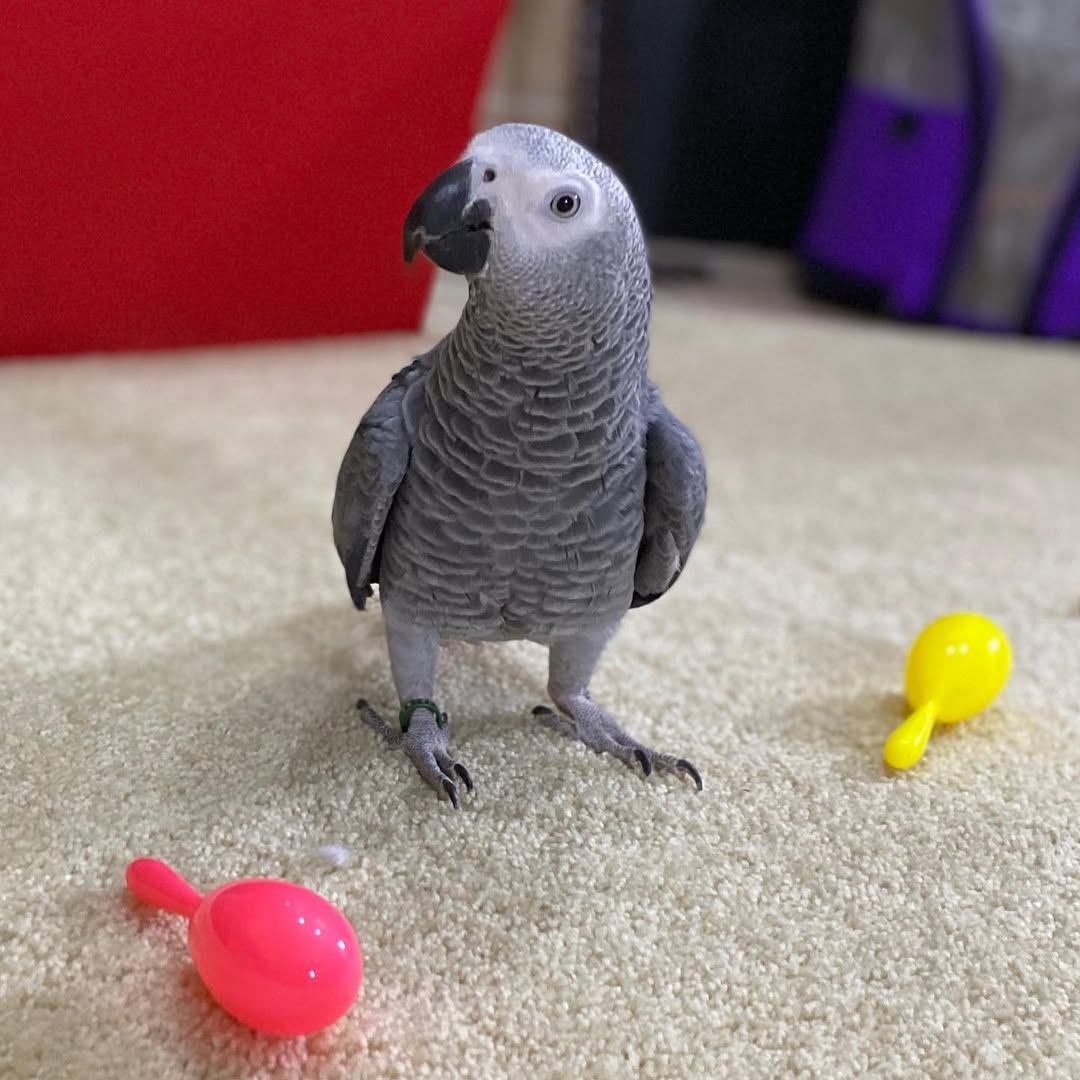
Price For African Grey Parrot
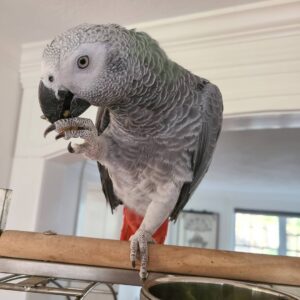
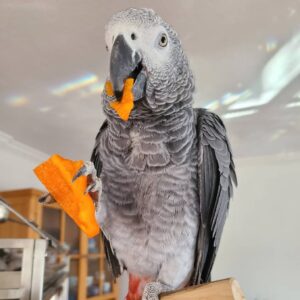
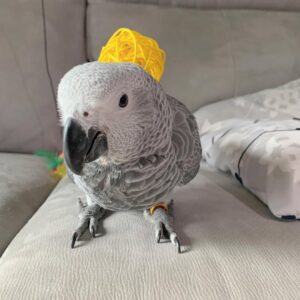
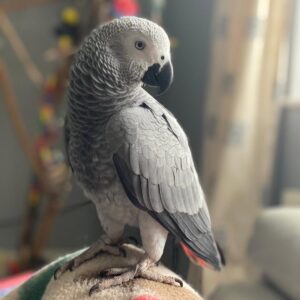
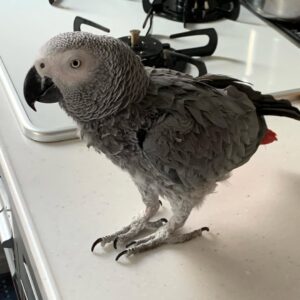
- Name: Oliver
- Sex: Male
- Age: 8 Months
- DNA Sexed: Yes
- Hand Fed: Yes
- Hand Raised: Yes
- Fully Weaned: Yes
- Tamed: Yes
- Socialized: Yes
- Talking Ability: Excellent Mimicking Ability
- Health Status: Healthy & Active
- Veterinary Checked: Yes
- Availability: Available
$950.00
Price for African Grey Parrot: Premium Hand‑Raised Companions Ready for Adoption
Intelligent, affectionate, and famously articulate, the African Grey is a dream companion bird for those who want a deep bond and daily conversation. If you are researching the price for african grey parrot and a reputable place to adopt, you are in the right spot. Our carefully hand-raised African Greys are nurtured for excellent temperament, strong health, and lifelong companionship, with transparent adoption options and full avian care support.
Every bird on our site is a living pet—lovingly raised by an experienced breeder—and can be reserved or adopted through our “Adopt Me” process. We pair each family with the right bird, provide honest guidance about care requirements, and stand behind every adoption with ongoing support.
Why Choose Our price for african grey parrot Listing
- Hand-raised from an early age: Daily handling produces a confident, family-friendly companion bird that steps up easily and enjoys interaction.
- Socialized in a calm, clean environment: Our babies are exposed to household sounds, gentle voices, and routine to build trust and resilience.
- Health-first approach: Avian vet wellness checks, appropriate vaccinations when advised, and proactive husbandry are part of every adoption.
- DNA sexed (when applicable): We provide DNA sexing documentation so you know your bird’s sex before adoption.
- Transparent adoption process: The price reflects hand-raising time, specialized diet, enrichment, vet care, and post-adoption support—no surprise add-ons.
- Ethical, experienced breeder: We follow best-practice avian care standards and applicable regulations for the welfare of each pet bird.
- Ready for a smooth transition: Birds go home weaned, eating a balanced diet, accustomed to handling, and prepared to bond with their new family.
- Lifetime guidance: We are here after adoption with training tips, diet updates, and cage setup support to help you succeed.
About the Bird Breed
The African Grey (commonly referring to the Congo African Grey and the Timneh African Grey) originates from equatorial regions of Africa. Revered for exceptional intelligence and remarkable talking ability, they are often compared to a bright young child in terms of problem-solving and emotional sensitivity.
- Origin: Central and West Africa, primarily lowland rainforests and forest edges.
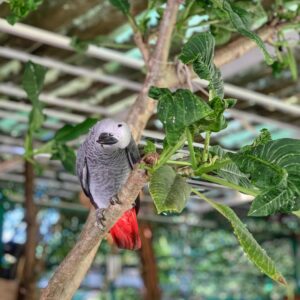
- Subspecies: Congo African Grey (lighter gray body, bright red tail) and Timneh African Grey (darker charcoal body, maroon tail, slightly smaller).
- Personality & Temperament: Thoughtful, observant, and highly attuned to their people. They form deep bonds and thrive with routine and gentle socialization.
- Intelligence & Talking Ability: Among the best talkers in the parrot world; many learn words, phrases, sounds, and context-based cues with consistent training.
- Family Compatibility: Wonderful companion birds for dedicated households. They can be family-friendly when all members participate respectfully in care and handling.
- Noise Level: Typically moderate. They are not known for constant screaming, but they vocalize, mimic household sounds, and may have energetic “chat times.”
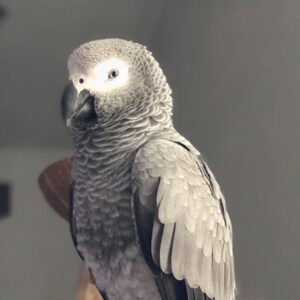
- Size & Appearance: Medium-sized parrot with elegant gray plumage, pale facial mask, and a striking tail (red for Congo; maroon for Timneh).
- Why People Love Them: Deep emotional connection, incredible intelligence, expressive eyes, and the magical moment they use words with understanding.
Care Guide
Diet
Offer a varied, species-appropriate diet to support longevity and feather quality:
- Base diet: High-quality formulated pellets for African Greys.
- Fresh foods: Daily leafy greens, vegetables (carrot, bell pepper, broccoli, squash), and limited fruits (berries, apple without seeds).
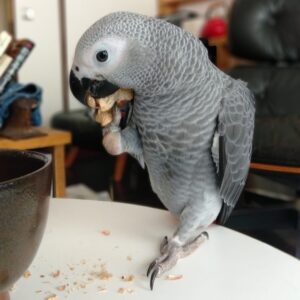
- Healthy fats: Nuts and seeds in moderation as training rewards or enrichment (e.g., almonds, walnuts).
- Calcium & Vitamin A: Greys benefit from calcium-rich foods and Vitamin A sources; discuss supplements with your avian vet.
- Avoid: Avocado, chocolate, caffeine, alcohol, salty/sugary or fatty foods, and any toxic houseplants.
Cage Requirements & Space
Provide a spacious, sturdy cage with appropriate bar spacing and multiple perches. Prioritize width for climbing and wing extension. Choose a setup that allows your African Grey to move, forage, and play comfortably.
- Cage size: A generous footprint is essential; larger than the minimum guidelines is strongly recommended for this intelligent species.
- Bar spacing: Sized to prevent head/foot entrapment, with horizontal bars for climbing.
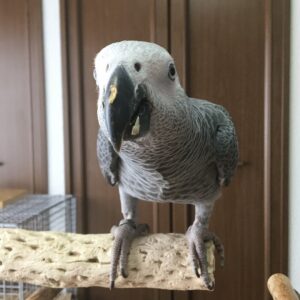
- Perches: Natural wood perches of varying diameters to promote foot health; include one grooming perch used sparingly.
- Placement: Quiet, draft-free area with good light and family interaction. Avoid kitchens due to fumes.
Exercise & Enrichment
African Greys need daily mental and physical activity. Aim for multiple hours of supervised, out-of-cage time.
- Foraging toys: Encourage problem-solving with treats hidden in safe, shreddable materials.
- Chew toys: Natural woods, vegetable-tanned leather, and safe plastics for beak exercise.
- Play stands: Offer alternate stations to explore outside the cage.
- Routine: Predictable schedules help this thoughtful species feel secure.
Grooming & Health
- Bathing: Misting or a shallow bath several times weekly supports feather and skin health.
- Nails & Beak: Occasional nail trims by an avian professional. Healthy diet and proper toys help maintain beak condition.
- Vet care: Annual avian vet checkups and prompt attention to any changes in appetite, droppings, or behavior.
Lifespan & Commitment
With excellent avian care, an African Grey’s lifespan can extend several decades. Plan for a long-term relationship, including enrichment, socialization, and stable daily interaction. Many families appreciate their steadfast companionship over a lifetime.
Training & Socialization
Greys are highly trainable and respond brilliantly to positive reinforcement. Short, engaging sessions build trust and confidence.
- Step-up & target training: Teach foundational manners that make daily handling easy and safe.
- Talking & sound mimicry: Repeat words with context and praise. Consistency and patience yield amazing results.
- Socialization: Encourage gentle interactions with multiple family members to prevent over-bonding with one person.
- Preventing boredom: Rotate toys, introduce new challenges, and reward curiosity to reduce stress-related behaviors.
Our hand-raised babies begin basic training early so they enter your home ready to connect and learn.
Why This Bird Makes a Great Pet
An African Grey is more than a pet bird—it’s a thinking, feeling companion. Their expressive eyes, precise beak work, and quiet moments of affection make everyday life richer. They watch your routines, remember what delights you, and often find clever ways to join the fun. For families and individuals who value intelligence, conversation, and a lasting bond, this companion bird is extraordinarily rewarding.
We recommend African Greys for owners who can provide dependable daily time, enrichment, and patient training. Serious beginners who commit to learning and follow our guidance can thrive; experienced parrot keepers will appreciate the species’ nuance and depth. Either way, we are here to support you from the first “hello” to every milestone ahead.
Frequently Asked Questions
What is the price for african grey parrot at your facility?
Our adoption fee is transparent and reflects hand-raising, socialization, avian vet care, DNA sexing (when applicable), and a thorough starter orientation. Because availability and season can affect costs, please check the current listing or click “Adopt Me” to request today’s pricing and reservation options.
Are your African Greys hand-raised and socialized?
Yes. Our babies are hand-fed and handled daily in a calm, clean environment. We focus on confidence, gentle step-up training, and routine socialization so your new companion arrives ready to bond.
How long is the lifespan of an African Grey?
With excellent diet, enrichment, and routine avian care, many African Greys live for several decades. Adopting a Grey is a long-term commitment that rewards consistent love and attention.
What diet do you recommend?
A high-quality pellet base supplemented with fresh vegetables, leafy greens, and limited fruits. Offer nuts and seeds sparingly as training treats. Avoid toxic foods such as avocado, chocolate, caffeine, and anything high in salt or sugar.
How good is their talking ability?
African Greys are renowned for speech and sound mimicry. Many learn words, phrases, and even contextual cues. Patience, repetition, and positive reinforcement are key.
What is their temperament like?
Thoughtful, observant, and affectionate. They are sensitive to household energy and prefer predictable routines. With proper socialization, they are engaging, loving companion birds.
Are African Greys good for beginners?
They can be suitable for dedicated beginners who are willing to learn avian care and invest daily time. We provide guidance on cage size, diet, enrichment, and training to set you up for success.
What cage size should I choose?
Choose a generously sized, sturdy cage with appropriate bar spacing and multiple perches. Bigger is better for this intelligent species; ensure ample room for wing extension, climbing, and foraging.
Do you offer health checks or guarantees?
Each bird receives an avian wellness exam and goes home eating well, socialized, and acclimated. We include documentation (such as DNA sexing when applicable) and offer ongoing support after adoption.
How do I adopt or reserve an African Grey?
Select “Adopt Me” on the listing to request availability, the current price for african grey parrot, and next steps. We will confirm fit, discuss your setup, and arrange pickup or approved delivery options.
Conclusion
If you are ready to welcome a brilliant, loving companion into your life, our hand-raised African Greys are prepared to meet you. We combine ethical breeding, thoughtful socialization, and expert avian care so you can adopt with confidence. Click “Adopt Me” to check availability, discuss your home setup, and receive today’s pricing. We would be honored to match you with the right bird and support you for years to come—starting with a transparent, caring approach to the price for african grey parrot.
Be the first to review “Price For African Grey Parrot”
Related products
Reviews
There are no reviews yet.