
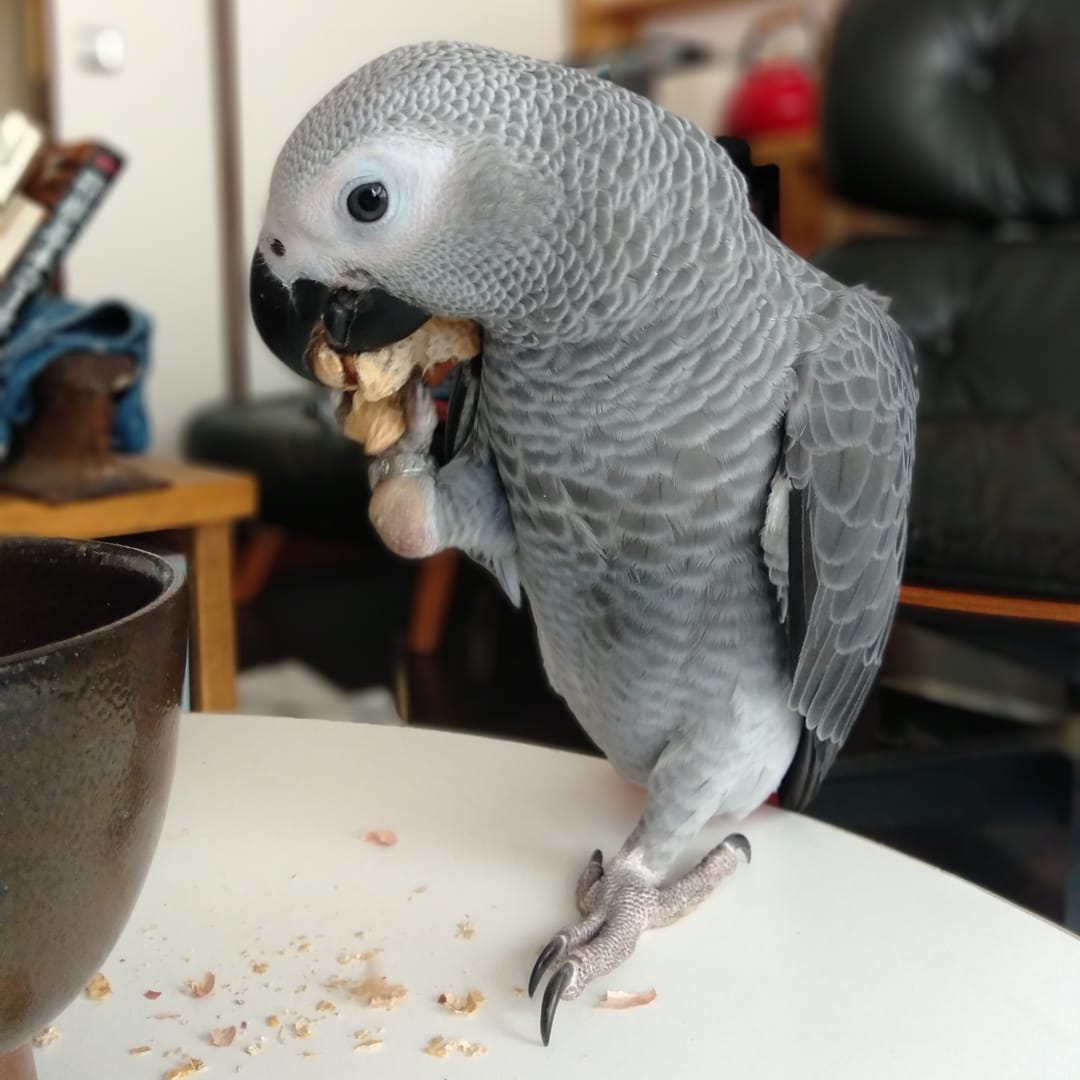
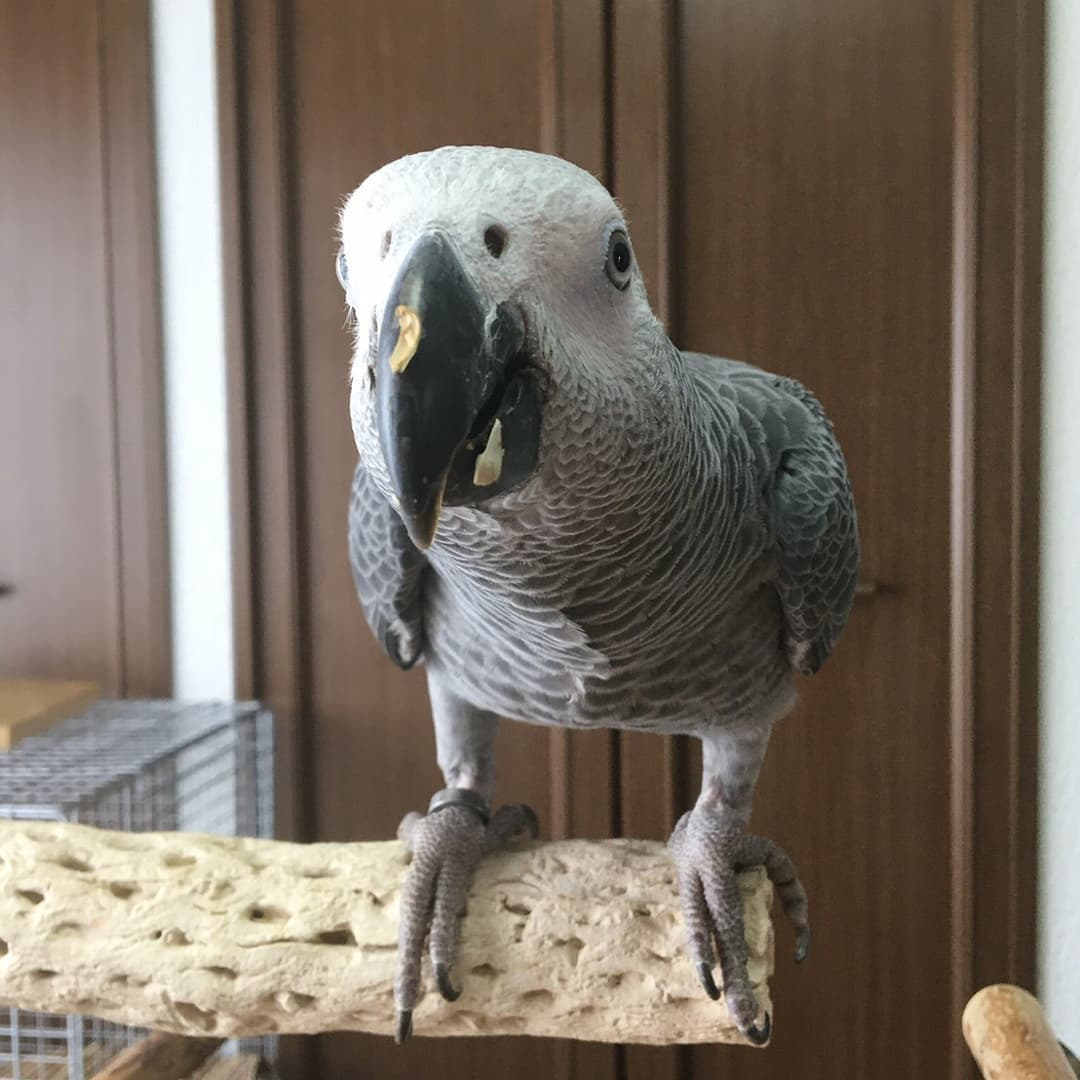
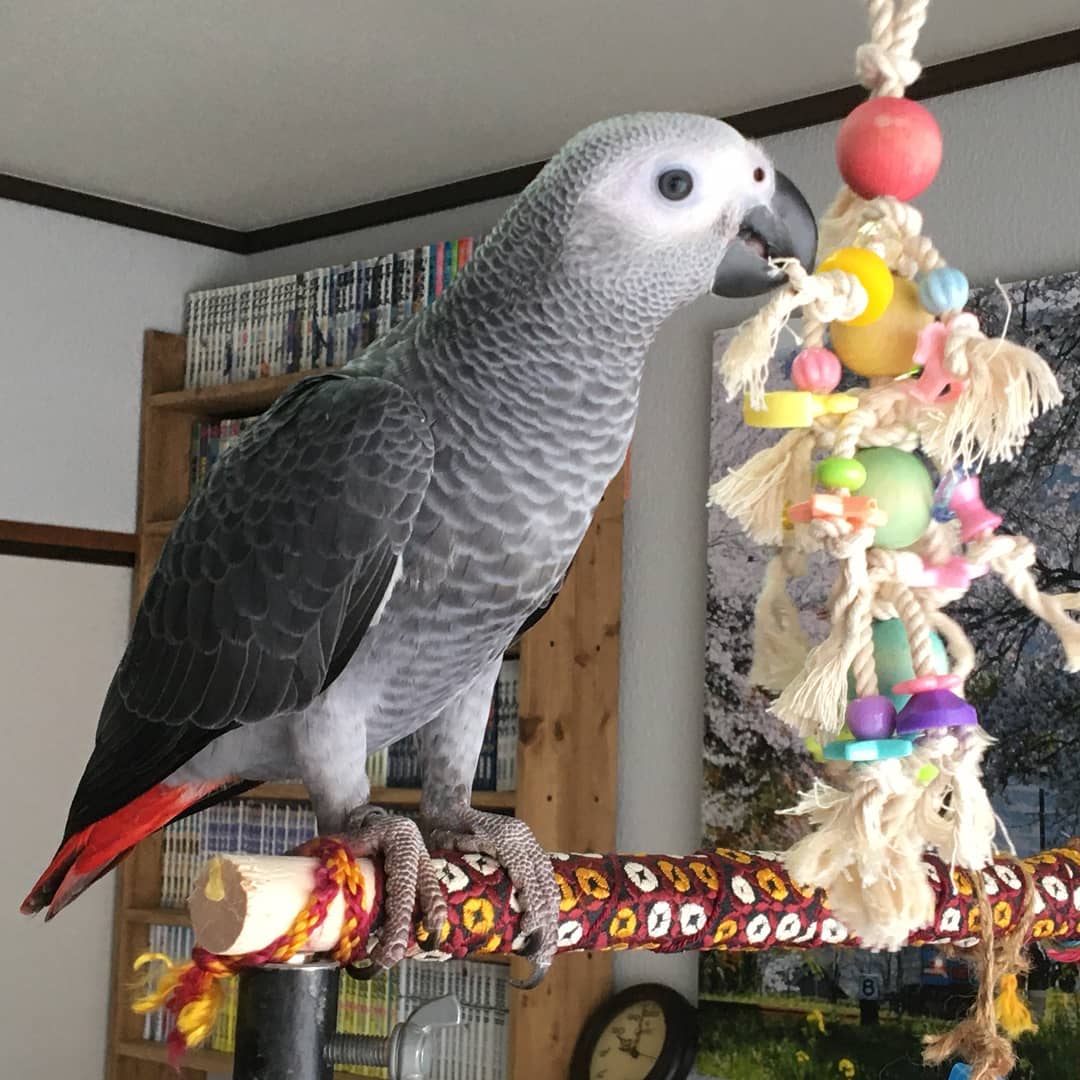
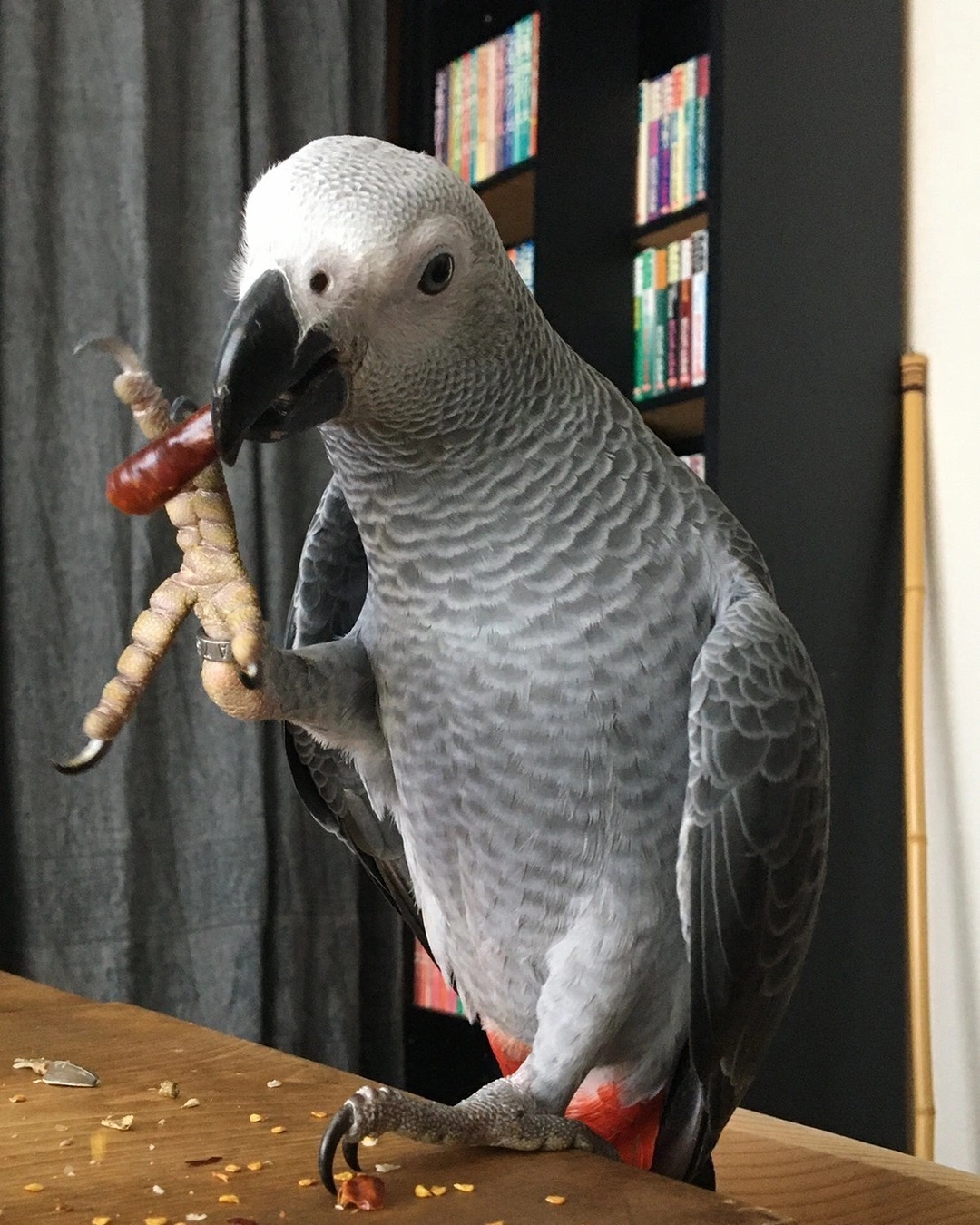
African Grey Parrot For Sale Near Me
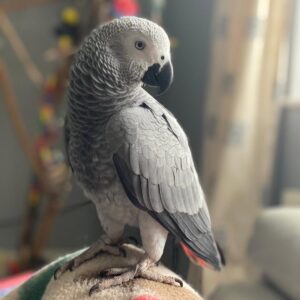
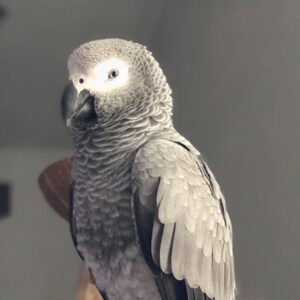
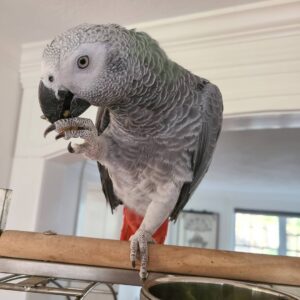
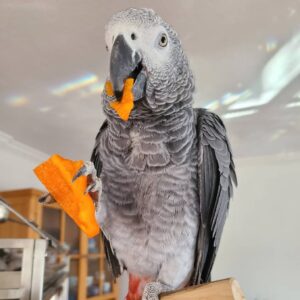
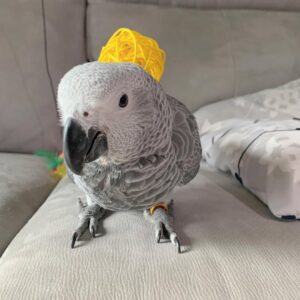
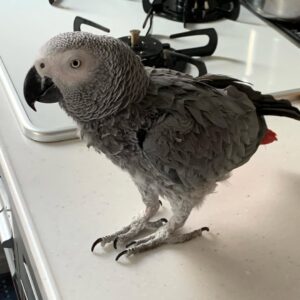
- Name: Twinkle
- Sex: Female
- Age: 8 Months
- DNA Sexed: Yes
- Hand Fed: Yes
- Hand Raised: Yes
- Fully Weaned: Yes
- Tamed: Yes
- Socialized: Yes
- Talking Ability: Excellent Mimicking Ability
- Health Status: Healthy & Active
- Veterinary Checked: Yes
- Availability: Available
$950.00
African Grey Parrot for Sale Near Me – Premium, Hand-Raised Companion Birds
If you’re searching for an african grey parrot for sale near me, you’ve found a trusted breeder and adoption center dedicated to raising exceptional companion birds. Our African Greys are hand-raised in a loving, clean environment, socialized daily, and prepared to join caring homes. Known for remarkable intelligence and a warm, affectionate nature, an African Grey can become the heart of your household—offering conversation, connection, and years of companionship.
Each bird profile below reflects the care, quality, and transparency we provide. When you’re ready, simply click the Adopt Me button to reserve your bird or schedule a visit to meet our available parrots in person.
Why Choose Our African Grey Parrot for Sale Near Me
Not all parrots are raised alike. Our program focuses on gentle handling, careful socialization, and lifelong support so your experience is joyful from day one.
- Hand-Raised & Socialized: Babies are nurtured from the nest with daily human interaction for a confident, family-friendly temperament.
- Health Screened & Vet-Checked: Every bird receives a comprehensive wellness exam by an avian veterinarian before going home.
- DNA Sexing Available: Know your bird’s sex with professional DNA testing and certificate upon request.
- Clean, Enriched Environment: Raised in a hygienic, low-stress nursery with safe perches, toys, and early foraging activities.
- Transition Support: We provide a starter care guide, diet plan, and ongoing avian care advice for a smooth adjustment.
- Ethical Breeder Standards: Responsible pairing, respectful weaning timelines, and positive reinforcement from hatch to home.
- Ready for Home Life: Birds are accustomed to everyday household sights and sounds to ease the move into your routine.
About the Bird Breed
The African Grey Parrot (Psittacus erithacus) originates from the rainforests and savannas of Central and West Africa. Revered for their astonishing cognitive skills, African Greys are often compared to young children in problem-solving ability and emotional depth. They’re one of the most intelligent companion bird species and are widely celebrated for their talking ability and nuanced mimicry.
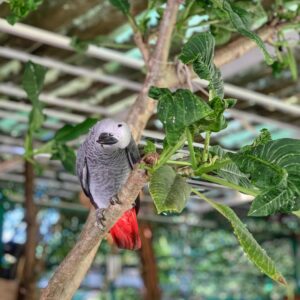
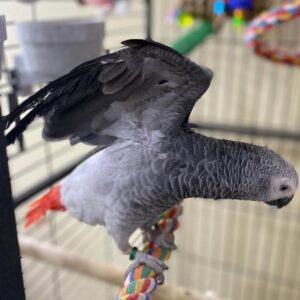
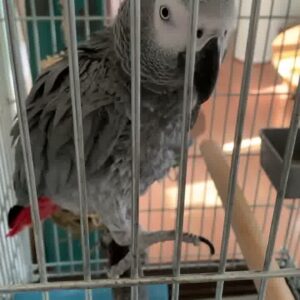
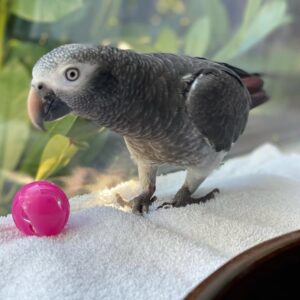
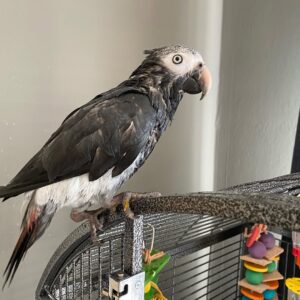
- Appearance: Elegant silver-grey plumage, white facial mask, and a bright tail (red in Congo Greys, maroon in Timneh Greys). Medium size with a graceful build.
- Personality: Gentle, thoughtful, observant, and deeply bonded to their favorite people. They thrive on consistency and trust.
- Intelligence: Exceptional problem solvers; known for advanced talking ability, context-based vocalizations, and playful sound effects.
- Temperament: Typically calm and affectionate when properly socialized; sensitive to household energy and tone.
- Talking Ability: Among the best talkers in the parrot world—clear diction, large vocabularies, and often witty timing.
- Family Compatibility: Suitable for patient adults, couples, and families with respectful children. Supervise interactions and teach gentle handling.
- Noise Level: Moderate. They have daily “chatty” windows, often morning and evening, but are not generally persistent screamers when content and stimulated.
- Why People Love Them: A rare blend of empathy, humor, and brilliance—an African Grey becomes an irreplaceable companion bird for decades.
Care Guide
Proper avian care ensures a healthy, happy life. Here’s how to set your African Grey up for success from the start.
Diet
- Base: High-quality formulated pellets as the nutritional foundation.
- Fresh Foods: Daily vegetables (leafy greens, bell peppers, carrots, squash), limited fruits, and sprouted grains/legumes.
- Treats: Seeds and nuts (like almonds or walnuts) offered sparingly for training rewards.
- Supplements: Calcium and vitamin A–rich foods support feather and bone health; consult your avian vet for tailored advice.
- Never Feed: Avocado, chocolate, caffeine, alcohol, onion, garlic, or high-salt/sugar foods.
Cage Requirements
- Cage Size: Aim for generous space—minimum around 36″ W x 28″ D x 48″ H for a single African Grey, larger if possible.
- Bar Spacing: Approximately 3/4″ to 1″ for safety and climbing comfort.
- Perches: Provide a mix of natural wood diameters, rope perches, and a mineral perch to promote foot health.
- Placement: Well-lit area away from drafts and kitchen fumes; allow your bird to see family activity without constant disruption.
Exercise & Enrichment
- Out-of-Cage Time: 3–4 hours daily of supervised flight or playtime.
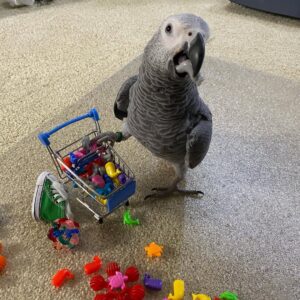
- Foraging: Daily puzzle feeders and shreddable toys to engage natural instincts.
- Rotation: Rotate toys weekly to keep their environment fresh and mentally stimulating.
- Play Areas: Add a play stand or gym with ladders and swings for safe exploration.
Grooming & Health
- Bathing: Gentle misting or shower sessions 2–4 times per week support feather condition.
- Nail Care: Occasional trims by an experienced handler or avian vet; rough perches help naturally.
- Beak & Feathers: Healthy diet and chew toys maintain beak and feather quality. Avoid beak trimming unless medically necessary.
- Vet Visits: Annual avian vet exams, with additional checkups as advised.
Lifespan & Commitment
- Lifespan: Commonly 40–60+ years with excellent care—plan for a lifelong relationship.
- Daily Care: Fresh food, clean water, cage maintenance, interactive time, and consistent training.
Training & Socialization
African Greys are highly trainable and respond beautifully to positive reinforcement. Their intelligence makes them eager learners, and structured sessions build trust and reduce stress.
- Foundations: Teach Step-Up/Step-Down, Target Training, and gentle handling for vet visits and grooming.
- Bonding: Short, frequent sessions with calm speech and favorite treats help form a strong, respectful bond.
- Communication: Encourage talking ability by modeling words in context (greetings, mealtime cues) and celebrating attempts.
- Socialization: Introduce new people, perches, and environments gradually to build confidence and flexibility.
- Problem Prevention: Provide daily mental stimulation and consistent routines to reduce anxiety-based behaviors.
Why This Bird Makes a Great Pet
An African Grey isn’t just a pet bird—it’s a thinking, feeling companion who will share your routines, pick up on your emotions, and add personality to every day. Their combination of intelligence and sensitivity allows for deep, meaningful connections. With regular interaction and thoughtful training, they often learn phrases, whistles, and delightful sound effects, becoming a cherished member of the family.
- Emotional Bonding: Many owners describe a unique, empathetic bond with their Grey.
- Beauty & Presence: Striking plumage, lively eyes, and graceful movement.
- Long-Term Companionship: With a long lifespan and stable temperament, an African Grey can be a lifelong friend.
- Family-Friendly (with Guidance): Does best with patient, respectful handling and consistent routines.
- Engaging Daily Life: Training games, foraging, and conversation make every day interesting and fun.
Frequently Asked Questions
Do you have an african grey parrot for sale near me available right now?
Availability changes weekly. Click Adopt Me to view current hand-raised babies and young adults ready for reservation or contact us to join the waitlist.
Are your African Greys vet-checked and DNA sexed?
Yes. All birds receive an avian vet wellness exam before going home. DNA sexing and health testing (such as common disease panels) are available with documentation upon request.
What is the typical lifespan of an African Grey?
With excellent nutrition, enrichment, and regular avian care, African Greys commonly live 40–60+ years. Plan for a long-term, stable commitment.
How good is their talking ability?
African Greys are renowned for clear speech and large vocabularies. While talent varies by individual, most learn words, sounds, and phrases—especially when reinforced with positive attention and routine.
What should I feed my African Grey?
Offer a pellet-based diet supported by vegetables, sprouts, leafy greens, and limited fruit. Use nuts and seeds sparingly as training treats. Avoid avocado, chocolate, caffeine, and salty or sugary foods.
Are African Greys suitable for beginners?
They can be wonderful for dedicated first-time owners who are ready to learn. We provide guidance on training, enrichment, and avian care to set new families up for success.
How big should the cage be, and how much out-of-cage time is needed?
Provide a spacious cage (around 36″ x 28″ x 48″ or larger) with safe bar spacing and multiple perches. Aim for 3–4 hours of supervised out-of-cage time daily.
What is their temperament like around children and other pets?
When socialized and supervised, African Greys can do well with respectful children. Always supervise interactions with kids and other household pets to ensure safety.
How do I reserve a bird?
Click the Adopt Me button to place a reservation on a specific bird. We’ll confirm details, discuss your setup, and schedule pickup or approved delivery options.
Do you offer education and support after adoption?
Absolutely. We provide a starter care guide, diet plan, and ongoing advice on training, enrichment, and health so you and your Grey thrive together.
Conclusion
If a brilliant, affectionate, and entertaining companion is what you’re seeking, our African Greys are raised to exceed expectations. Explore available profiles, learn about our careful process, and when your heart says yes, click Adopt Me to reserve your bird. Your search for the perfect african grey parrot for sale near me can end here—welcome to a lifetime of conversation and companionship.
Be the first to review “African Grey Parrot For Sale Near Me”
Related products
Reviews
There are no reviews yet.